January 21, 2026
Insulating your home or building is one of the most critical steps you can take to ensure optimal energy efficiency and comfort. Proper insulation plays a significant role in reducing energy costs and creating a comfortable indoor environment. Professional insulation contractors are specialists who provide the expertise needed to correctly assess and install insulation. Their role is crucial in ensuring that your home or building retains heat in the winter and remains cool during summer months. Moreover, investing in professional insulation services can lead to significant cost savings and long-term benefits for property owners.
Understanding the Role of Insulation Contractors
Qualifications and Certifications
Insulation contractors are professionals who have undergone specific training and certification to offer high-quality insulation services. Their qualifications often include knowledge of various types of insulation materials, installation techniques, and industry standards. When hiring a contractor, it is essential to verify their certifications to ensure compliance with local building codes. Certified contractors are equipped with the technical skills required to perform thorough and efficient insulation installations. Working with qualified professionals ensures safety, adherence to industry standards, and the successful completion of the insulation project.
Types of Insulation Services Offered
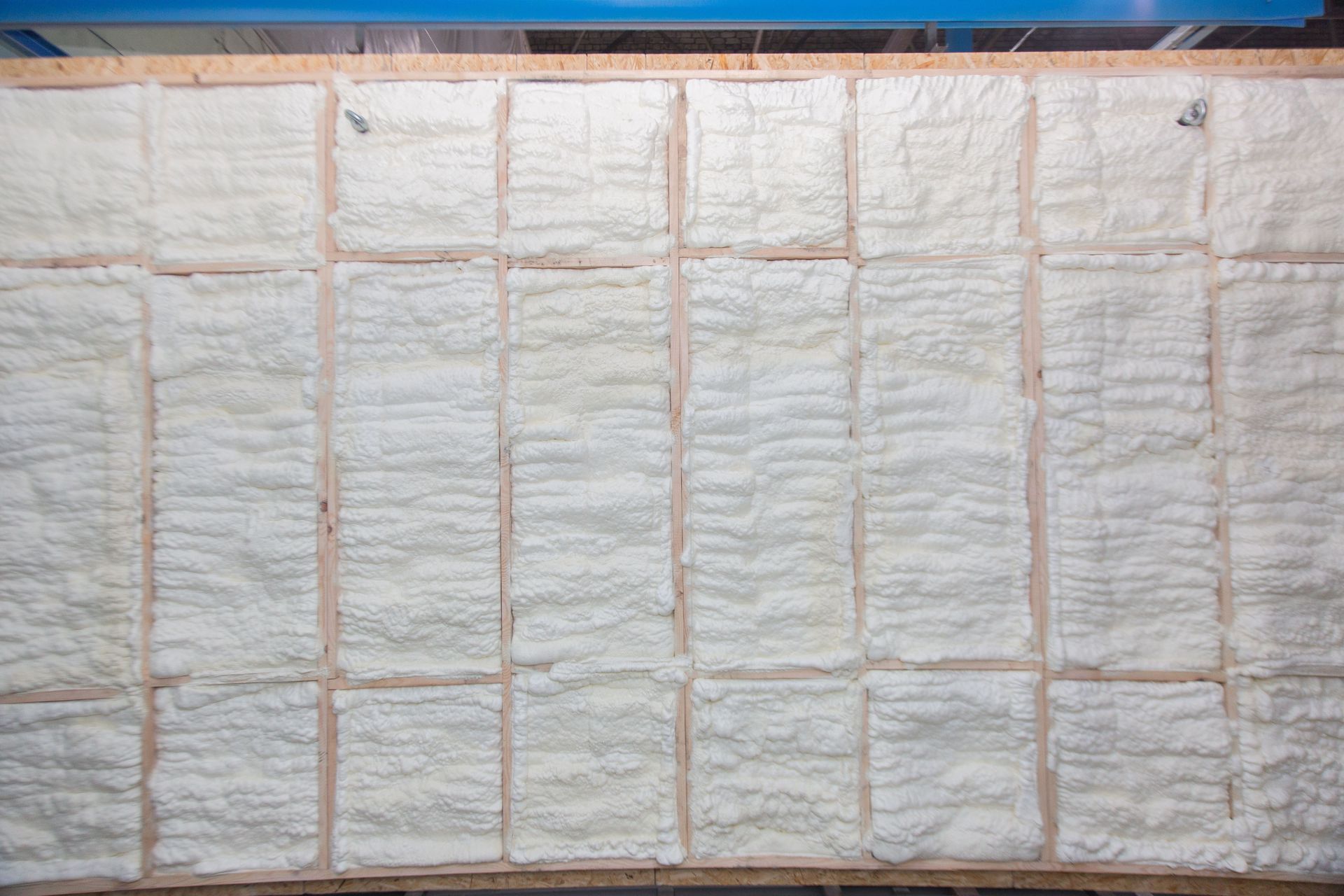
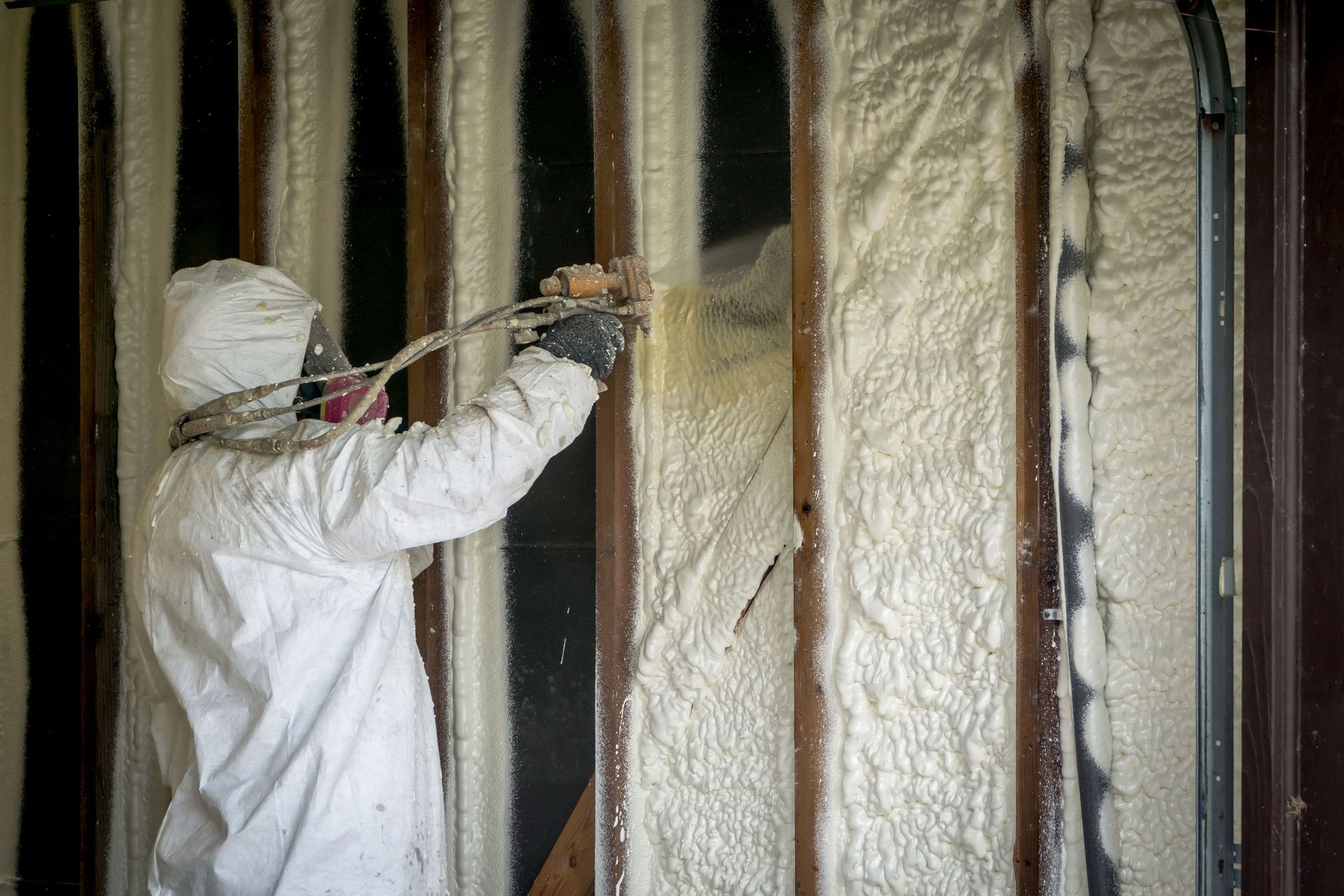
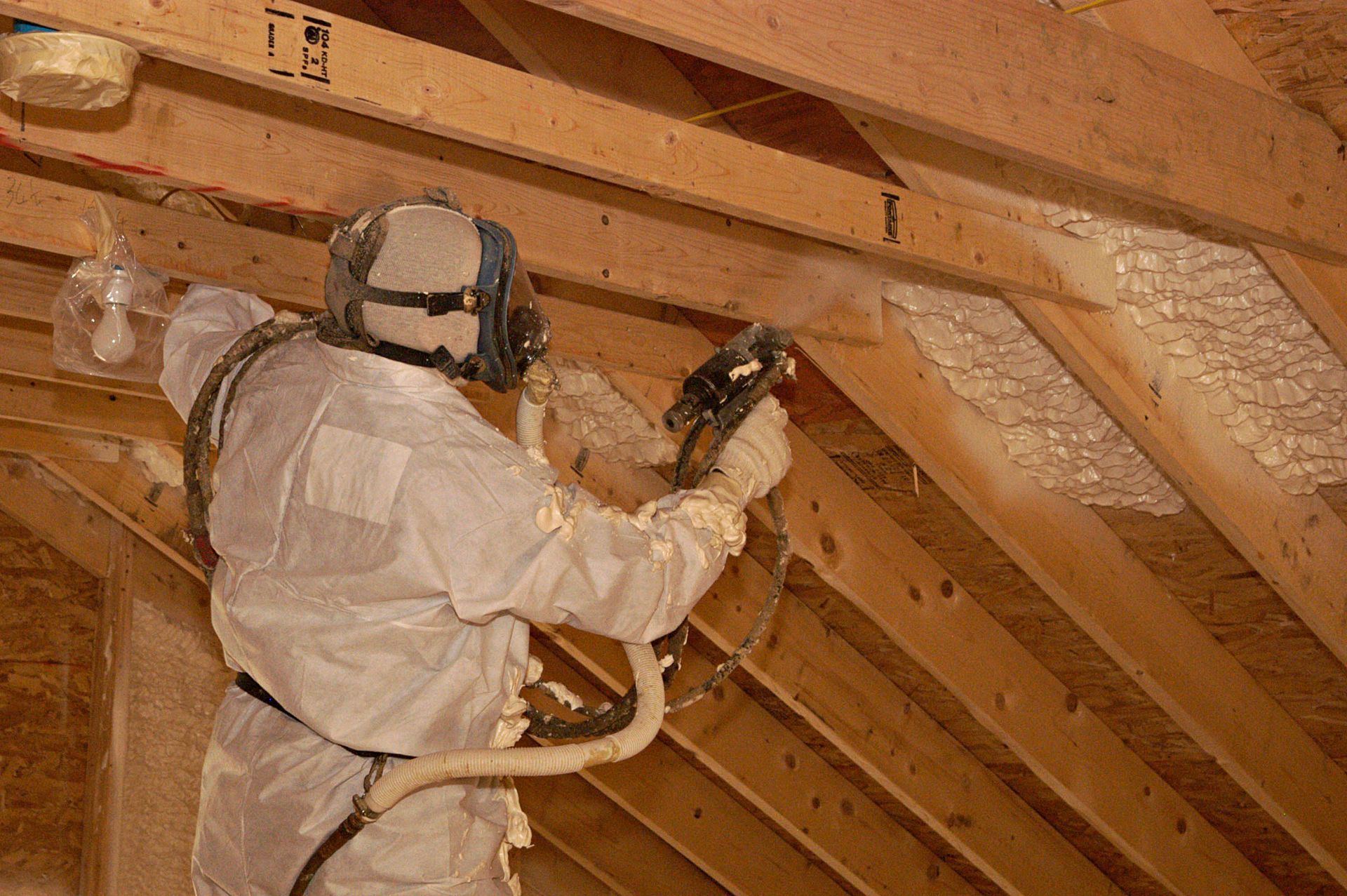
Insulation contractors offer a range of services tailored to meet the unique needs of different properties. These services include installing blown-in insulation, spray foam insulation, and batt insulation, among others. Each type of insulation material offers distinct benefits and is selected based on factors such as the property’s design and energy efficiency goals. Contractors take into consideration the existing infrastructure to tailor services effectively, ensuring optimal thermal resistance. Their flexibility in offering varied services underscores the importance of choosing a versatile and well-experienced provider for your insulation project.
Standards and Regulations Compliance
Compliance with standards and regulations is a critical aspect of hiring insulation contractors. Governments set building codes that outline the minimum requirements for insulation in different regions and climates. Contractors must ensure that their installations meet or exceed these codes to provide effective energy efficiency. Proper compliance guarantees not only quality work but also safety for property owners and increased property value. Staying apprised of regulatory changes is part of a contractor’s responsibility, emphasizing the importance of selecting a knowledgeable professional.
Evaluating the Insulation Needs of Your Property
Conducting an Initial Assessment
An essential step in the insulation process is conducting a comprehensive assessment to understand the unique needs of your property. This assessment involves evaluating current insulation levels, identifying gaps, and measuring thermal performance. Professionals use advanced tools to detect areas of heat loss, ensuring accurate and effective solutions. According to Bob Vila, a home improvement resource, in some areas, 1 inch of insulation is sufficient, but some homes require up to 4 inches. This information helps tailor the insulation strategy to your property's specific requirements, maximizing energy savings and comfort.
Comparing Different Insulation Materials
Choosing the right insulation material is key to achieving optimal performance and energy efficiency. Various materials, including fiberglass, cellulose, and spray foam, offer different R-values, longevity, and installation costs. Insulation contractors guide property owners through the benefits and limitations of each type, assisting in making an informed decision. The choice of material depends on specific needs such as moisture resistance, fire resistance, and budget constraints. Comparing materials with a professional’s expertise ensures the right balance between performance and cost-effectiveness.
The Insulation Installation Process
Preparation and Planning
Preparation and planning are foundational steps to a successful insulation installation. Teams assess the property to identify any pre-existing issues, such as mold or structural weaknesses, which must be addressed before proceeding. Detailed planning ensures the selection of appropriate materials and methods tailored to the property’s needs. This phase involves coordinating schedules to minimize disruption and preparing the site for efficient installation. Thorough preparation sets the stage for a smooth and effective installation process.
Removing Old or Damaged Insulation
Before new insulation is installed, removing old or damaged insulation is necessary to ensure optimal effectiveness. Old insulation can harbor allergens, pests, and moisture, compromising indoor air quality and energy efficiency. Crews utilize safe removal techniques to prevent contamination and damage to the property. Proper disposal of the old materials follows environmental regulations, emphasizing the need for professional handling. Removing outdated insulation provides a clean slate for the new installation, maximizing its performance.
Benefits of Proper Insulation
Enhanced Energy Efficiency
One of the primary benefits of proper insulation is enhanced energy efficiency, which translates into economical energy use and lower heating and cooling costs. Insulation minimizes heat transfer, reducing the workload of HVAC systems and preventing energy waste. By maintaining stable indoor temperatures, properties consume less energy regardless of external weather conditions. This efficiency also contributes to reducing the carbon footprint, aligning with sustainability goals. The long-term outcome is a more energy-efficient home or building with considerable savings on utility bills.
Improved Indoor Comfort
Proper insulation significantly improves indoor comfort by maintaining consistent temperatures and reducing drafts. Insulated homes offer protection from excessive heat during summer and preserve warmth during colder months. Moreover, insulation reduces noise transfer from outside, creating a quieter and more serene indoor environment. As insulation contributes to maintaining air quality, it also enhances overall health and well-being. The comfortable living conditions resulting from effective insulation can markedly improve the quality of life for occupants.
Working with Insulation Contractors: Customer Service and Communication
Initial Consultation Process
The initial consultation process sets the tone for the entire project, allowing for transparent communication. This phase generally involves discussing goals, assessing current conditions, and addressing any concerns the property owner may have. Professionals provide insights on feasible solutions and outline potential project outcomes, ensuring both parties are on the same page. During these consultations, expectations are managed, and realistic timelines and budgets are proposed. Effective communication during this stage builds trust and lays the groundwork for a successful collaboration.
Regular Updates and Progress Reports
Contractors maintain open lines of communication to inform property owners of milestones achieved and any challenges noted. Real-time reporting ensures that clients are aware of the project's current status, preventing misunderstandings and enhancing transparency. By keeping clients informed, service teams demonstrate professionalism and dedication to the client’s interests. This proactive communication approach is essential in ensuring a seamless and satisfying insulation experience for the client.
Choosing the Right Insulation Contractor
Research and Recommendations
Choosing the right insulation contractor begins with diligent research and considering recommendations from trusted sources. Evaluating multiple providers through online resources, reviews, and personal referrals is advisable to make an informed decision. Recommendations from past clients provide valuable insights into reliability, quality of work, and professionalism. This groundwork helps property owners identify companies aligned with their specific insulation needs.
Comparing Quotes and Services
Comparing quotes and services is essential for obtaining value for money and ensuring compatibility with project needs. Property owners should solicit detailed estimates from multiple providers, including comprehensive cost breakdowns. Comparing these quotes aids in identifying competitive pricing while ensuring the quality of materials and services offered. This process helps balance affordability with expected performance.
Hiring professional contractors is a critical step in enhancing the energy efficiency and comfort of homes and buildings. From understanding qualifications to evaluating insulation needs and ensuring quality installation, every phase affects the final outcome. Properly executed insulation projects provide long-term benefits, including reduced energy bills, improved comfort, and increased property value. Communicating effectively with these professionals ensures alignment of goals and expectations throughout the project. Contact our team at TrueFoam today and learn more about our insulation services.