August 28, 2026
Basements present unique insulation challenges because they sit partially or completely below ground, where temperature differences, air movement, and moisture can affect comfort throughout the year. Without effective insulation, a basement may feel noticeably colder than the rest of the home, develop uncomfortable drafts, or make heating and cooling systems work harder to maintain consistent indoor temperatures. Spray foam offers an effective solution because it can insulate while also creating an air barrier in areas where traditional materials may leave gaps.
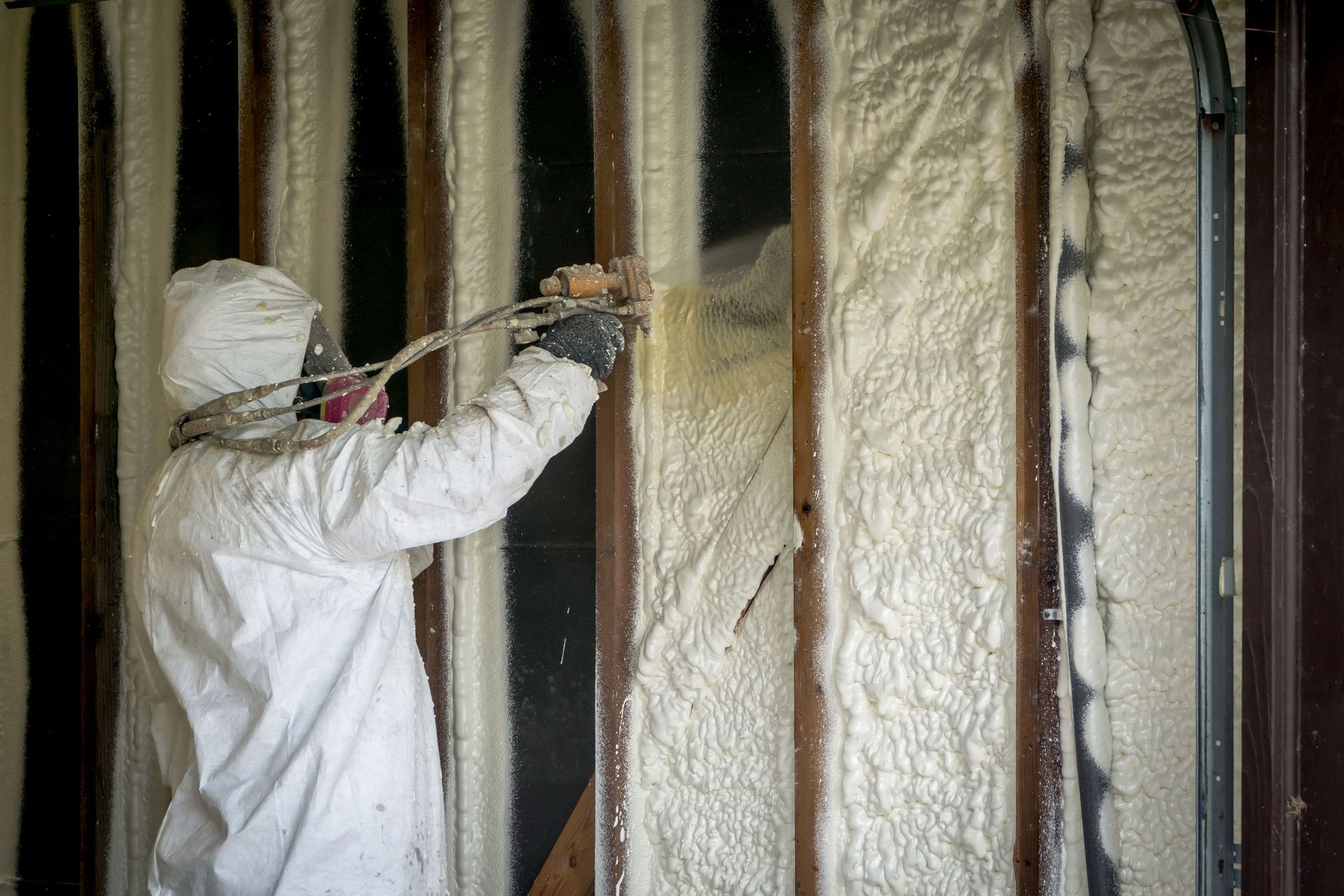
Unlike insulation materials that are cut or fitted into cavities, spray foam expands after application, allowing it to conform closely to irregular surfaces and small openings. This characteristic makes it particularly useful for basement walls, rim joists, framing cavities, and other areas where controlling air movement is important. According to This Old House, two-part polyurethane spray foam is well suited for insulating large spaces, including stud bays.
Creating a Stronger Air Barrier
Sealing Small Openings
Basements often contain small gaps where different building materials meet. These openings may not look significant, but together they can allow considerable air movement between the basement and outdoors. Spray foam expands into these spaces during professional application, creating a continuous barrier that helps limit unwanted airflow.
Protecting Rim Joist Areas
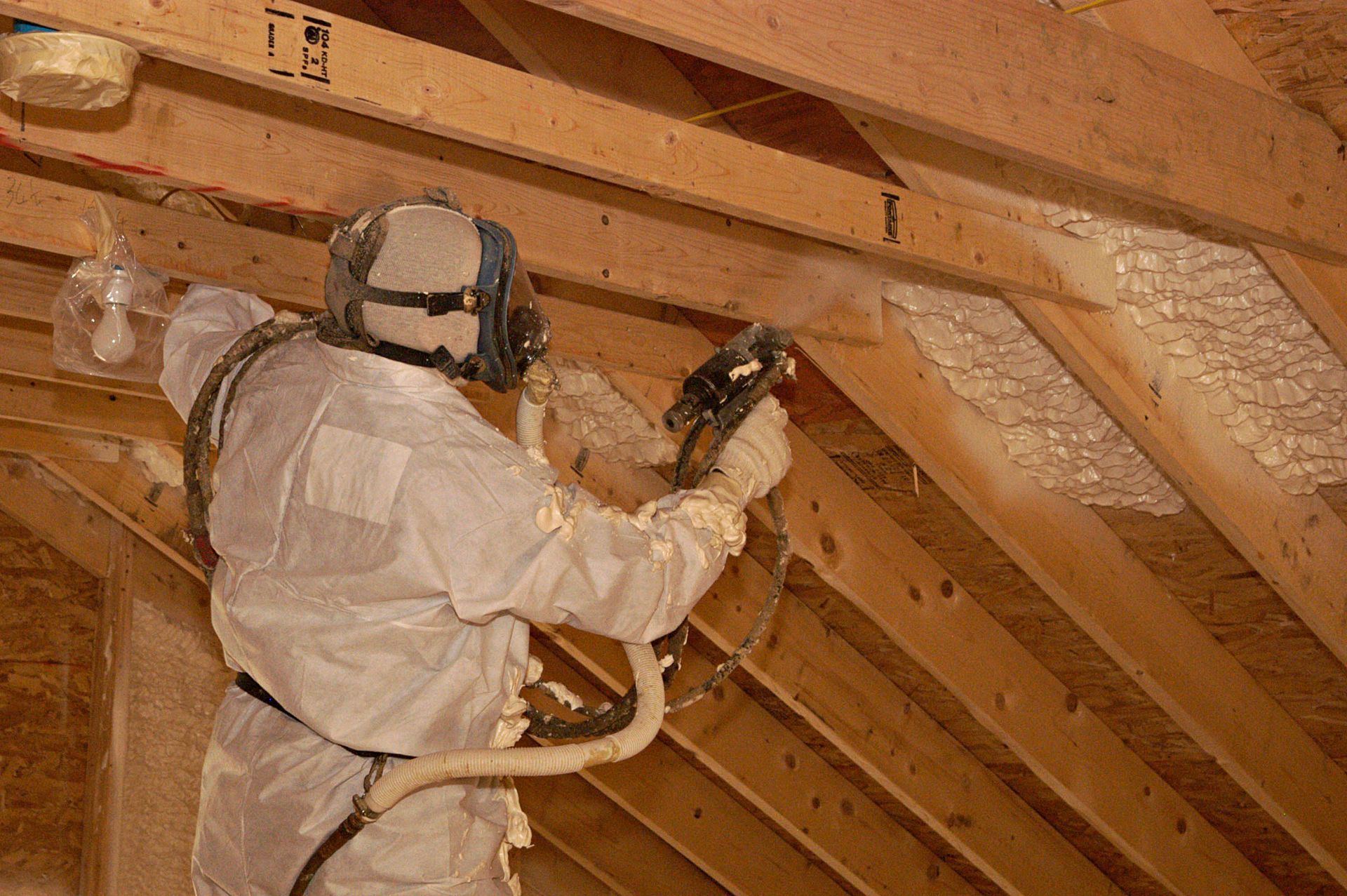
Rim joists are common sources of basement air leakage because they contain multiple joints and connections along the perimeter of the home. Properly applied spray foam can conform to these irregular spaces more effectively than materials that must be cut to fit.
Reducing Uncomfortable Drafts
Cold drafts can make a basement unpleasant even when the heating system is functioning properly. Air entering through cracks, joints, and penetrations may create noticeable temperature differences throughout the space.
Improving Building Envelope Performance
A home's building envelope separates conditioned indoor spaces from outdoor conditions. Weak points in that envelope can reduce energy performance throughout the structure. Because spray foam combines insulating properties with air-sealing capabilities, it can strengthen the basement portion of the building envelope and contribute to more consistent performance throughout the home.
Managing Basement Moisture Concerns
Limiting Moist Air Movement
Basements are naturally vulnerable to moisture concerns because of their location below ground. Humid air traveling through gaps and cracks can contribute to condensation when it reaches cooler surfaces. Certain types of professionally installed spray foam help limit the movement of moisture-laden air, reducing one pathway through which unwanted moisture can enter insulated assemblies.
Reducing Condensation Potential
Condensation can occur when warm, humid air encounters a sufficiently cold surface. By helping maintain more consistent surface temperatures and restricting uncontrolled airflow, appropriate insulation can reduce conditions that contribute to condensation.
Protecting Insulation Performance
Insulation performs best when the surrounding conditions support its intended function. Professional spray foam insulation services take the characteristics of the basement into account when determining appropriate materials and application areas.
Supporting a Healthier Environment
Controlling unwanted air and moisture movement can contribute to a more comfortable basement environment. When basement conditions are properly managed, homeowners may experience fewer musty conditions associated with excess dampness.
Improving Year-Round Indoor Comfort
Maintaining Warmer Winter Temperatures
Basement walls and framing can become cold during winter, especially when insulation is inadequate or air leaks are widespread. Spray foam helps slow heat transfer while sealing openings that allow cold outdoor air to enter.
Controlling Summer Heat Transfer
Insulation matters during warm weather as well. Outdoor heat and humid air can affect basement conditions, particularly around above-grade walls, windows, and rim joists. A properly designed insulation system helps separate conditioned interior areas from outdoor conditions, supporting more stable temperatures when air conditioning is operating.
Creating More Usable Living Space
Finished basements can serve as family rooms, offices, exercise spaces, guest areas, or entertainment rooms. These spaces are far more useful when temperatures remain comfortable throughout the year. Professional spray foam insulation services can help transform an uncomfortable basement into an environment that integrates more naturally with the rest of the home's conditioned living space.
Balancing Temperatures Between Floors
Basement conditions can influence comfort elsewhere in the home. Cold air and uncontrolled drafts from lower levels may contribute to uneven temperatures between floors. Improving basement insulation and air sealing can support a more balanced indoor environment, making it easier for the HVAC system to maintain desired temperatures throughout multiple levels.
Supporting Greater Energy Efficiency
Reducing Unwanted Heat Loss
Heat naturally moves toward cooler areas, and poorly insulated basement surfaces can provide opportunities for energy loss during winter. Spray foam slows heat transfer while addressing air leakage, helping conditioned air remain where it belongs.
Reducing Unwanted Air Infiltration
Traditional insulation can slow heat transfer but may not independently stop air from moving through every crack or joint. Spray foam's ability to expand and seal makes it particularly valuable where insulation and air control are both priorities.
Supporting HVAC Performance
Heating and cooling equipment must compensate when conditioned air escapes or outdoor air continually enters the home. A tighter building envelope can reduce some of this unnecessary workload. Although insulation is only one component of overall household efficiency, improving basement performance can contribute to a more efficient environment for HVAC equipment.
Providing Consistent Thermal Protection
Gaps in insulation can create weak points where heat moves more readily through the building envelope. Because spray foam expands to conform to the surfaces where it is professionally applied, it can provide consistent coverage across complicated basement assemblies.
Adapting to Complex Basement Spaces
Fitting Irregular Framing Areas
Basements rarely consist entirely of simple, unobstructed walls. Framing intersections, structural components, plumbing, electrical penetrations, and mechanical equipment can create complicated spaces. Spray foam's expanding characteristics allow it to conform around many irregular features, making it versatile for areas where rigid or pre-sized insulation materials may be more difficult to fit continuously.
Reaching Challenging Cavities
Some basement cavities contain narrow spaces or unusual dimensions that make consistent insulation challenging. Professional spray foam insulation services use specialized equipment and application techniques to address appropriate spaces while maintaining controlled coverage.
Addressing Different Basement Uses
An unfinished storage basement has different needs from a fully finished lower-level living area. Likewise, a basement containing mechanical equipment may require a different insulation strategy than one designed as a home office or guest suite.
Creating Customized Insulation Solutions
No two homes have identical foundations, framing systems, moisture conditions, or comfort concerns. A professional approach considers these differences before recommending a particular spray foam product or application strategy.
Providing Long-Term Basement Performance
Maintaining Effective Coverage
Quality insulation should continue performing long after the initial project is complete. Properly installed spray foam adheres to suitable surfaces and maintains its position rather than relying on friction alone to remain in place.
Reducing Future Comfort Concerns
Addressing basement insulation comprehensively can help reduce recurring problems with drafts and uncomfortable temperature differences. Instead of focusing only on individual cold spots, professional spray foam insulation services can evaluate the basement as part of the larger building envelope and recommend a solution designed around long-term performance.
Supporting Future Basement Plans
Homeowners may eventually decide to finish an unfinished basement or change how an existing finished space is used. Establishing effective insulation can provide a stronger foundation for those future plans. A comfortable, well-insulated basement offers greater flexibility for creating additional functional areas within the home's existing footprint.
Protecting the Home Investment
Basement improvements can influence comfort and usability throughout the property. Professional insulation helps protect that investment by addressing thermal performance and air leakage in an area of the home that can otherwise be difficult to regulate. When paired with appropriate moisture management and professional installation, spray foam can provide dependable performance for years.
Spray foam offers several qualities that make it particularly well suited to basement insulation. Its ability to expand into irregular spaces helps create a stronger air barrier, while its insulating properties support more consistent temperatures and improved energy performance. It can also adapt to complex framing, rim joists, and other areas commonly found in below-ground spaces. Professional spray foam insulation services ensure that the appropriate materials and application methods are selected according to the basement's construction, condition, and intended use.
If your basement feels drafty, uncomfortable, or inadequately insulated, contact TrueFoam today to learn how our professional spray foam insulation services can help create a more comfortable and energy-efficient space for your home.