May 20, 2026
Discover the benefits of spray foam insulation in reducing energy costs, enhancing home comfort, and increasing property value. This article explores how this insulation type works, the importance of hiring professional spray foam insulation contractors, and why it is a superior choice for energy efficiency.
Understanding Spray Foam Insulation
How Spray Foam Works
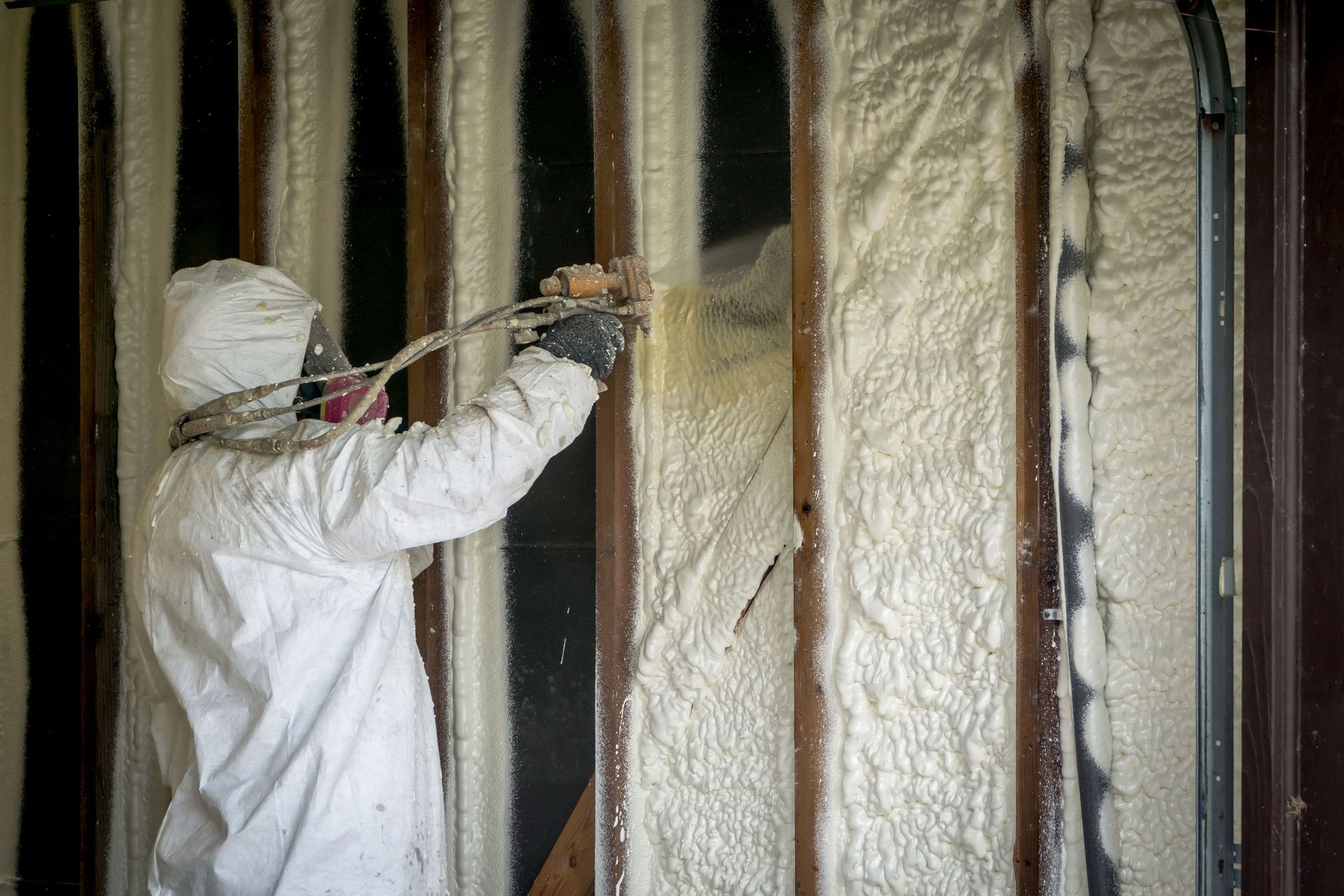
Spray foam insulation works by expanding upon application to fill gaps and crevices, creating an effective air seal. This capability is crucial because air leaks are a primary source of energy loss in homes. By sealing these leaks, spray foam prevents conditioned air from escaping and unconditioned air from entering, allowing your HVAC system to maintain a consistent temperature. The foam's ability to adhere to most surfaces enhances its effectiveness, ensuring that there are no weak links in your home's thermal envelope. This comprehensive coverage is essential in regions where temperature extremes can lead to significant energy usage.
Unlike traditional insulation, which often leaves gaps, spray foam creates a continuous layer of protection. Traditional materials such as fiberglass or cellulose rely on accurate measurement and alignment, which can be challenging, especially in older homes. Spray foam, however, conforms to the given space, providing a custom fit that significantly reduces thermal bridging. With 89% of American homes under-insulated, according to the Insulation Institute, upgrading to spray foam can tackle this widespread issue, improving both energy efficiency and comfort.
Chemical Composition and Applications
As experienced spray foam insulation contractors, we understand that the effectiveness of spray foam insulation is closely tied to its chemical composition. Spray foam consists of different resins that, when mixed, expand and harden into a solid substance. This chemical reaction is fundamental to its insulating properties, allowing it to fill spaces comprehensively, resulting in superior R-values. The two-component mixture starts as a liquid and rapidly turns into a foam, expanding to insulate and seal concurrently. This is essential in locking in energy savings and eliminating drafts and cold spots.
In terms of applications, spray foam insulation is highly versatile. It can be applied to rooflines, attics, walls, and crawl spaces to maximize insulation and energy efficiency. In addition to residential settings, spray foam is an effective choice for commercial buildings seeking comprehensive temperature regulation. Its resistance to water makes it particularly beneficial in basements and areas prone to moisture accumulation. By creating a robust barrier, spray foam contributes to both energy conservation and building longevity.
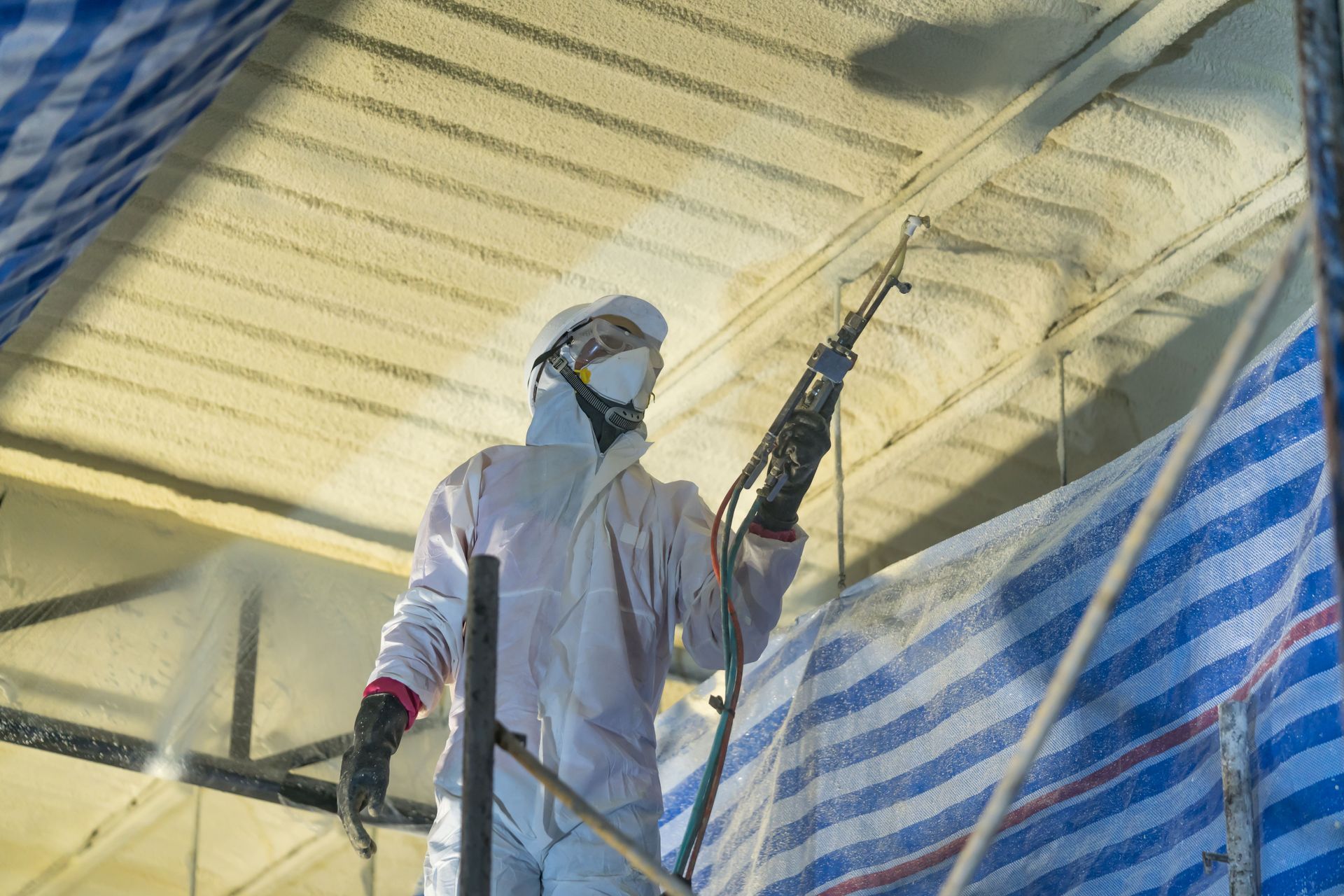
While the chemicals used in spray foam insulation are effective, proper handling and application by professionals are crucial for safety. This ensures that the chemicals are mixed and applied correctly, preventing issues such as improper curing or chemical exposure during installation. Proper application is critical for achieving the full energy-efficient and environmental benefits of spray foam insulation without compromising safety. Professional installation services guarantee that spray foam is applied in adherence to safety standards, ensuring its performance and durability.
The Importance of Professional Installation
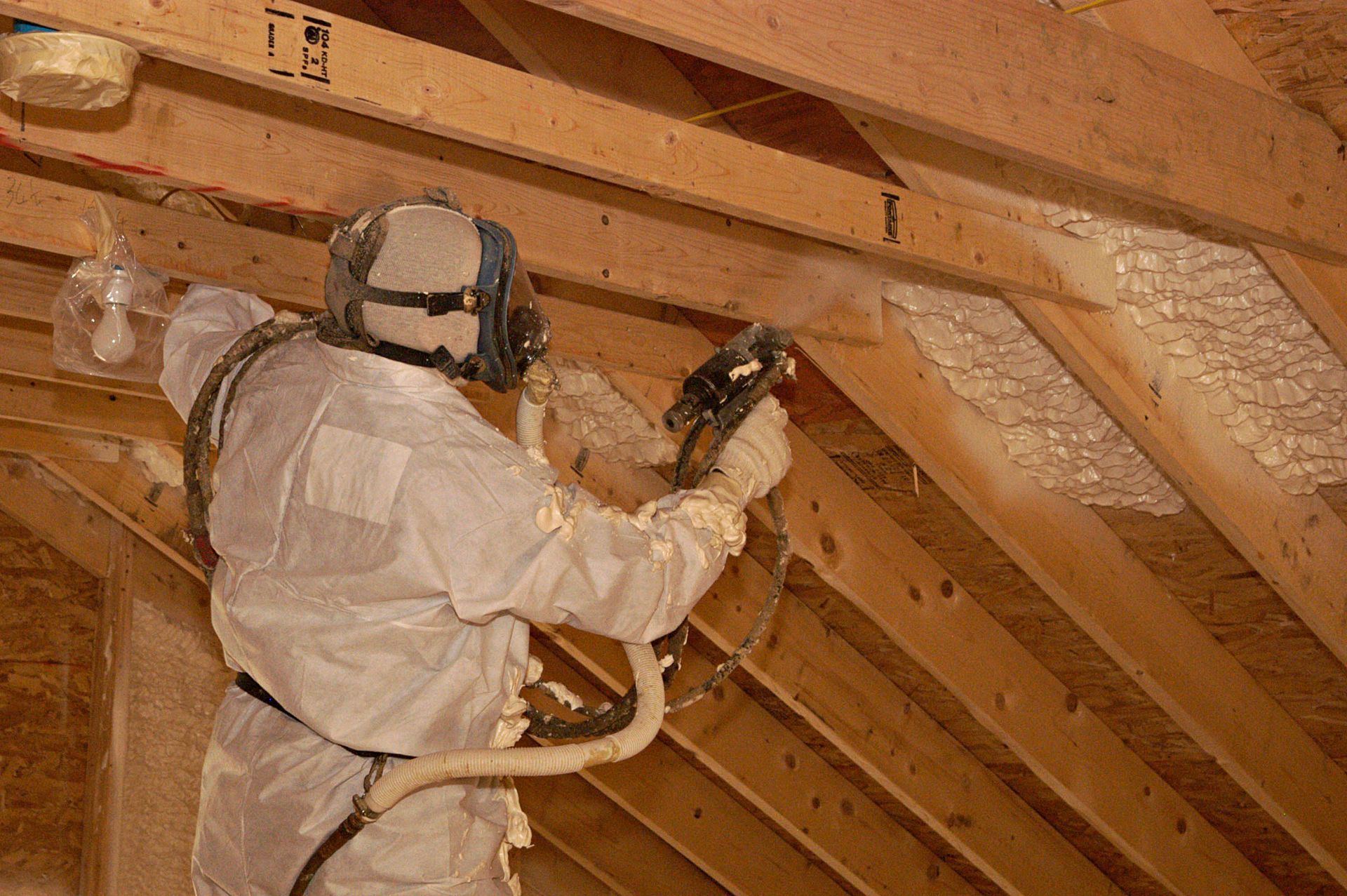
Professional installation of spray foam insulation is vital to achieving its full benefits and avoiding potential pitfalls. Installers undergo training to handle the chemicals safely and apply them effectively, ensuring that the foam fully expands and creates a sealed barrier. Incorrect installation can lead to insufficient coverage, which diminishes the insulation's effectiveness and compromises its energy-saving potential. To prevent such issues and maximize efficiency, it's advisable to hire qualified spray foam insulation contractors who are well-versed in best practices for spray foam application. The initial investment in professional installation can pay dividends in the form of enhanced performance and reduced energy costs over time.
Moreover, hiring a professional provides homeowners with access to warranties and post-installation support. These assurances ensure peace of mind and ongoing support in the unlikely event of performance issues. Selecting the right insulation contractor can also make homeowners eligible for rebates and tax incentives aimed at promoting energy-efficient building upgrades. Professional contractors can guide clients through the process of claiming these incentives, further enhancing the return on investment for spray foam insulation. By choosing professionals, homeowners can capitalize on these benefits and enhance their property's long-term value.
Maximizing Energy Efficiency and Thermal Performance
Sealing Air Leaks
Sealing air leaks is one of the greatest advantages of spray foam insulation. Unlike other insulation that fits into spaces like board materials, spray foam completely molds itself to the space it's applied. This characteristic ensures that there's no room for gaps, which are common in other insulation types and contribute to unwanted air transfer. Effective air sealing means homes maintain their internal temperature more efficiently, reducing the workload on heating and cooling systems. For many homeowners, sealing these leaks translates directly to significant utility bill savings.
Many buildings still use traditional systems, leaving homeowners vulnerable to higher energy bills due to poor sealing. Spray foam solves this problem via its expansion properties, creating a barrier against drafts and heat loss. This substantial reduction in energy loss addresses both comfort and cost concerns. Upgrading with assistance from spray foam insulation contractors provides an effective way to seal leaks and conserve energy, marking a significant improvement in thermal performance.
Impact on Heating and Cooling Systems
The effectiveness of spray foam insulation extends beyond its insulating properties to positively affect heating and cooling systems. By maintaining a consistent internal temperature, HVAC systems face reduced demand, decreasing operational wear and tear. The minimized strain leads to fewer repairs, longer system lifespans, and improved efficiency—delivering additional cost savings. Furthermore, since spray foam regulates indoor climates more effectively, heating and cooling systems cycle less frequently, saving energy. This dynamic presents an overall strategy that supports both short-term and long-term financial benefits for homeowners seeking energy-efficient upgrades.
A primary issue with conventional insulation systems is their inability to prevent temperature fluctuations within the home. This inconsistency forces HVAC systems to work overtime, thus consuming more energy. Spray foam's consistent R-value and comprehensive sealing halt these fluctuations, enabling heating and cooling systems to function optimally. This reduced activity not only extends the lifespan of HVAC systems but also ensures each unit operates with maximum efficiency, aligning with eco-friendly living goals. Homeowners are acutely aware of these advantages, often noting improved indoor air quality and comfort due to less mechanical cycling.
Year-Round Energy Savings
One of the most compelling advantages of spray foam insulation is the promise of year-round energy savings. By providing consistent thermal protection, spray foam ensures energy use remains efficient, regardless of the external climate. This advantage is vital for homes located in regions with distinct seasonal changes, where temperature extremes can heavily influence energy bills. Consistent insulation performance alleviates the need for heavy reliance on heating in winter and cooling in summer, producing noteworthy cost reductions. Homeowners can consequently enjoy balanced energy expenses, avoiding the spikes typically associated with peak energy usage periods.
Achieving year-round savings is essential for improving a home's overall energy efficiency. Environments with substantial temperatures variations can see substantial savings by adopting spray foam solutions. Its expansive capabilities seal off all potential points for air transfer, holding the interior climate stable and lessening money spent on energy and utility bills. This long-term consistency ensures maximum energy conservation and economic resilience against fluctuating utility prices. Homeowners adopting spray foam can, therefore, maintain their living costs predictably while mitigating environmental impacts through reduced energy consumption.
If you're considering upgrading your home's insulation, contact TrueFoam today; our spray foam insulation contractors can help you learn more about the benefits of properly insulating your home!