Black horizontal line near the left side on a white background
HVAC Foam Insulation

ENERGY STAR reports that in a typical house, about 20% to 30% of the air moving through the duct system is lost to leaks, holes, and poorly connected ducts, much of it in attics and other unconditioned spaces. TrueFoam LLC provides HVAC foam insulation in Pittsburgh, Pennsylvania, sealing and insulating ductwork, equipment areas, and the spaces around heating and cooling systems in homes and businesses. We trace where conditioned air escapes before it ever reaches a vent, then plan foam placement that keeps service access clear. Our locally owned crew uses American-made materials and works carefully around every system we touch.
Construction workers pouring concrete at a building site, with a truck in the background
Wet concrete pouring from a truck chute onto a construction site, forming a gravelly slab surface

Your Furnace Can't Heat a Room If the Air Never Arrives.

Heated or cooled air travels through ducts that often run across cold attics, garages, and unfinished basements. Every leaky joint and uninsulated run lets that air escape or lose temperature along the way, so rooms at the end of the line stay chilly while the system runs longer and harder than it should.

Sealing and insulating those pathways delivers more of the comfort you are already paying to produce, room after room, while giving your equipment an easier and more efficient workload every day.

  • More conditioned air reaches rooms
  • Fewer drafts and weak vents
  • Shorter, gentler equipment cycles
  • Lower heating and cooling bills
Black horizontal line on a white background
HVAC Foam Insulation

Get the Full Value from the System You Already Own.

Many homeowners and building managers replace equipment when the real problem is where the air goes after it leaves the furnace or air handler. Foam insulation seals duct seams, insulates exposed runs, and tightens the spaces around mechanical equipment, so existing systems deliver steadier temperatures and use less energy. The result is a building that feels better without buying a new furnace or air conditioner, and equipment that no longer has to strain every day.

Pittsburgh Ductwork Often Runs Through the Coldest Spaces.

Older homes in the region were frequently retrofitted with central air by running ducts through attics, knee walls, and garages, while many commercial buildings route ductwork above drop ceilings or across open warehouse space. Those unconditioned areas get very cold in January and very hot in July. We look at where your ducts actually run and how exposed they are before recommending foam, so the plan targets the losses that matter.

We Insulate Around Equipment Without Getting in Its Way.

Furnaces, air handlers, and ductwork need clear access for filters, service panels, and future repairs. Our owner has spent 45+ years learning how to seal and insulate around mechanical systems without blocking what technicians need to reach, and our crew follows that same discipline on every job, large or small. We also coordinate with your HVAC contractor when needed. Want to know how much air your ducts are losing right now?

What HVAC Foam Insulation Delivers

Black-and-white icon of a hand operating a conveyor belt over rows of logs or bottles
Improved Energy Efficiency
Sealed, insulated ducts carry conditioned air to rooms with far less loss along the way, so your heating and cooling system produces the same comfort while burning less fuel and electricity.
Black-and-white icon of a saw cutting through stacked bricks and a woven pattern above them
Reduced Utility Bills
When fewer air leaks and less heat loss drain the system, monthly heating and cooling costs drop, and those savings continue season after season for as long as the equipment runs.
A black tire-track icon above a row of tires and brick pattern, suggesting off-road or tread-related signage
Enhanced Indoor Comfort
Rooms at the end of long duct runs finally receive their share of warm or cool air, reducing hot and cold spots and making the whole building feel more balanced and consistent.
Black-and-white icon of a chainsaw cutting into a stacked pile of logs or bricks
Prevention of Air Leaks and Heat Loss
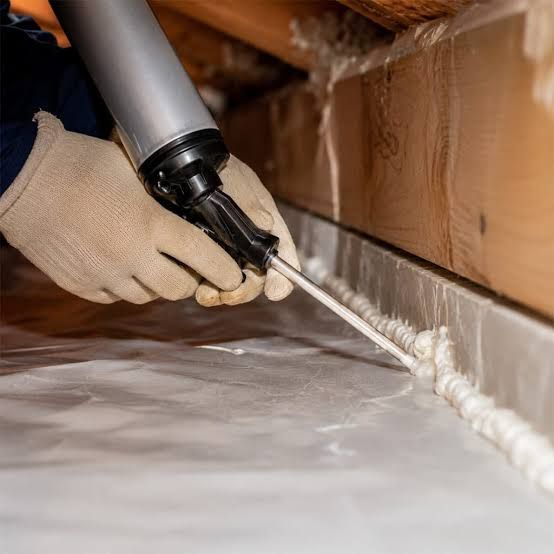
Foam closes gaps at duct joints, boots, and equipment connections while insulating exposed runs, stopping conditioned air from escaping into attics, garages, and other spaces you never meant to heat.
Black safety icon with a drill above a brick wall and round hazard symbol.
Extended HVAC System Lifespan
A system that no longer fights leaks runs shorter cycles with less strain on motors, blowers, and compressors, which can mean fewer repairs and a longer service life for costly equipment.
Black and white tire tread with a small vehicle icon above it
Better Air Quality
Sealed ducts stop pulling dusty attic, garage, or crawl space air into the system, so the air circulating through your rooms stays cleaner for everyone breathing it day and night.
Black horizontal rounded line on a white background

our services

Our HVAC Foam Insulation Work
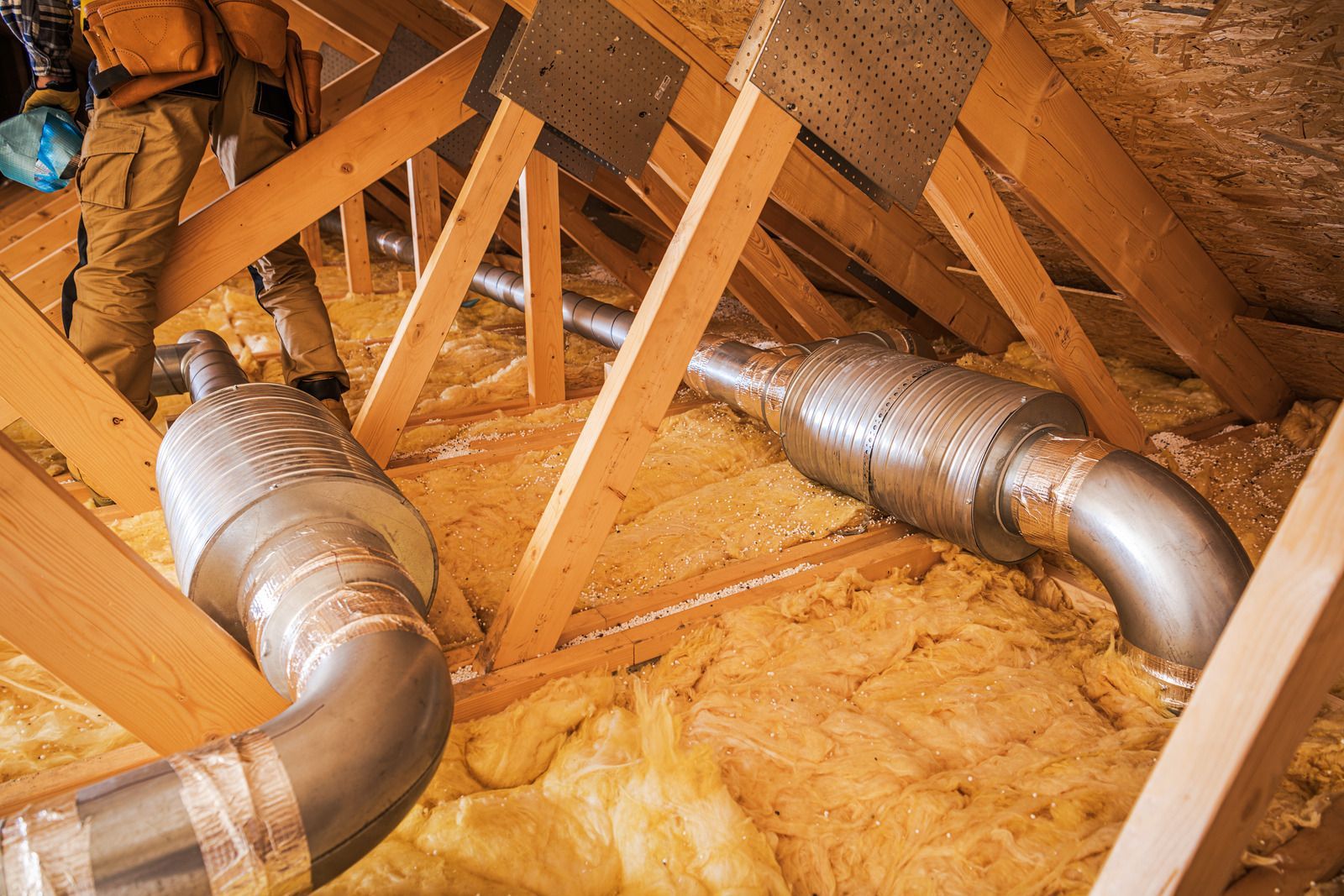
Every heating and cooling system is laid out differently. We target the ducts, equipment areas, and surrounding spaces where your system loses the most energy, while keeping service access open.
Template premium 99
Ductwork

Ductwork Insulation


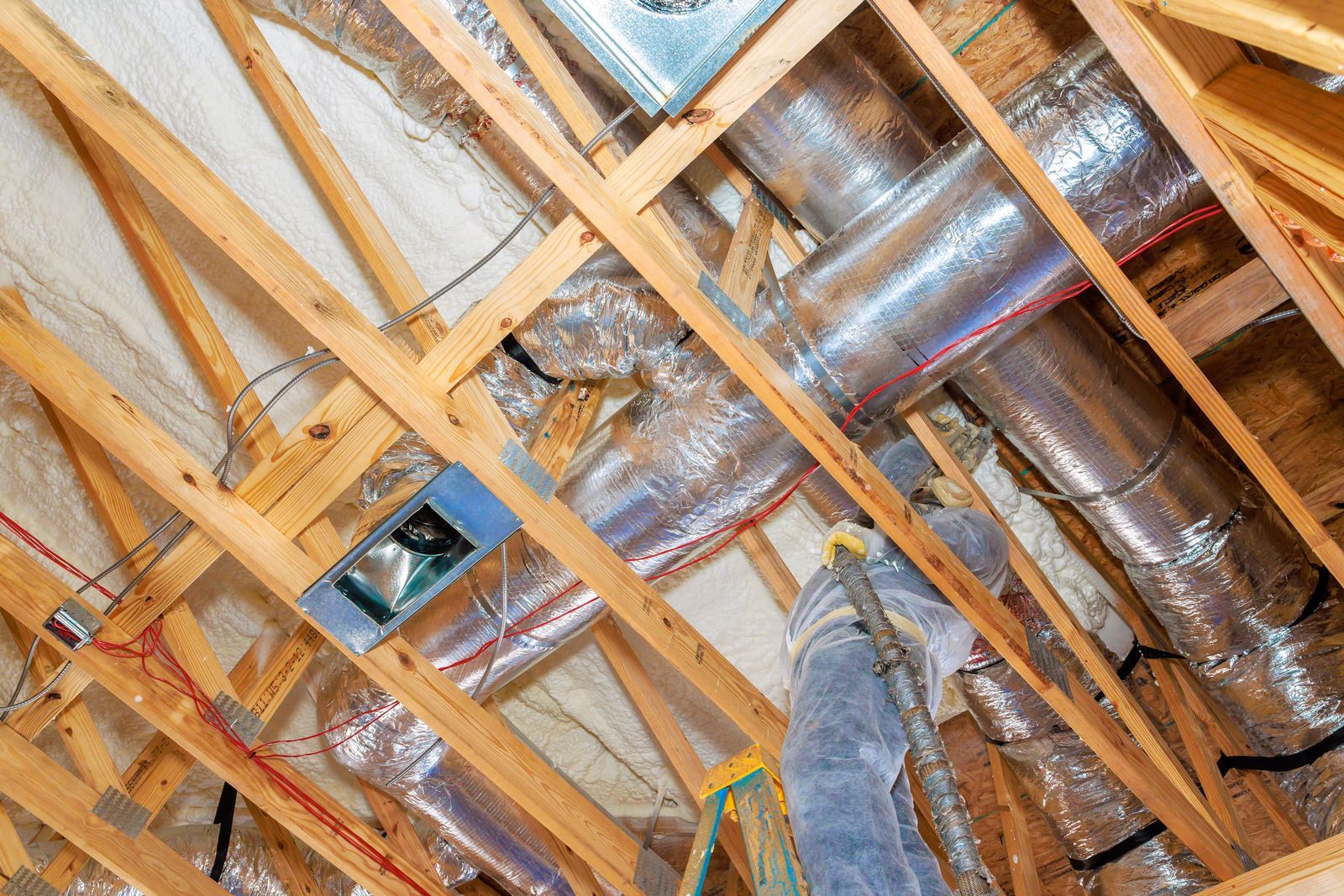
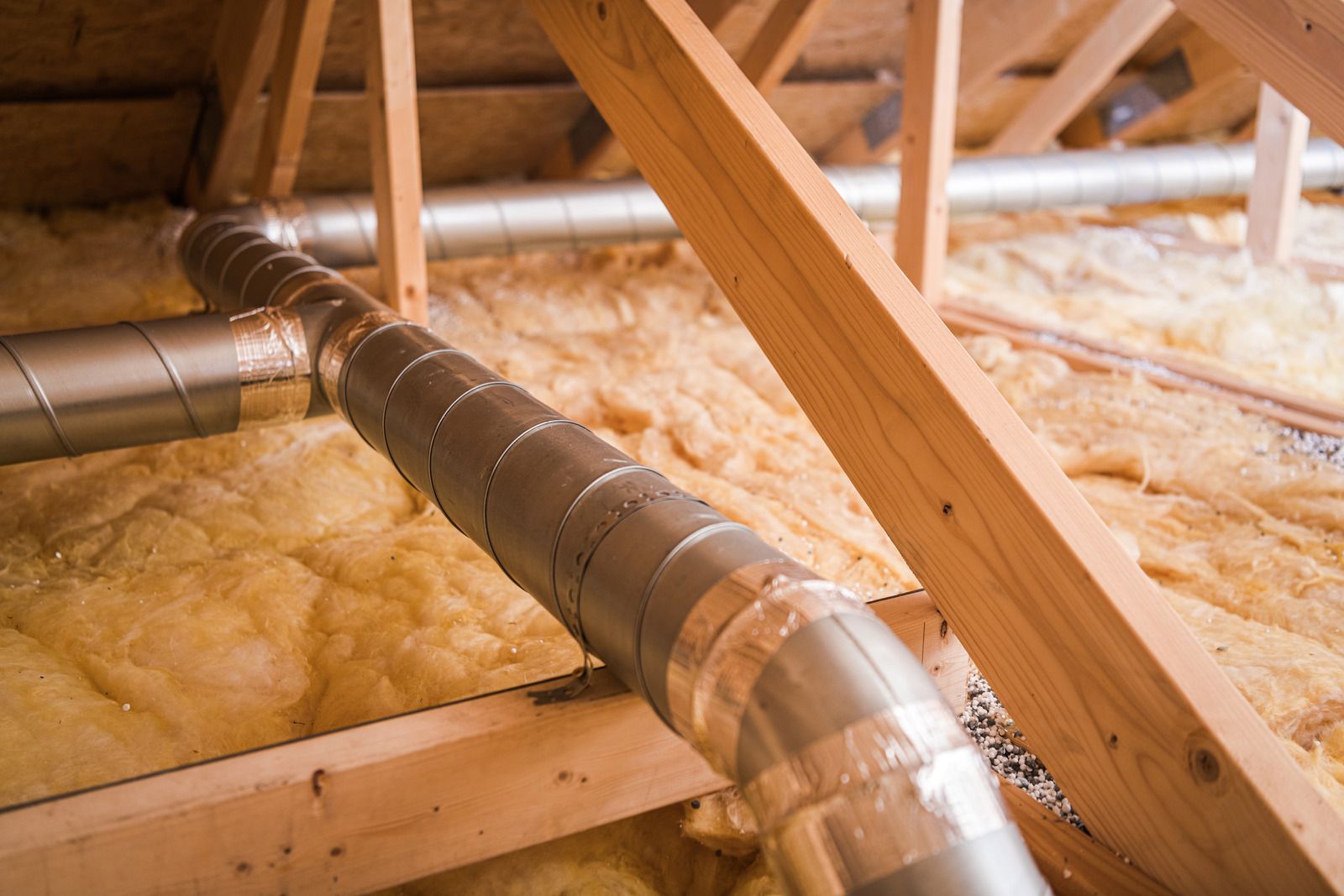
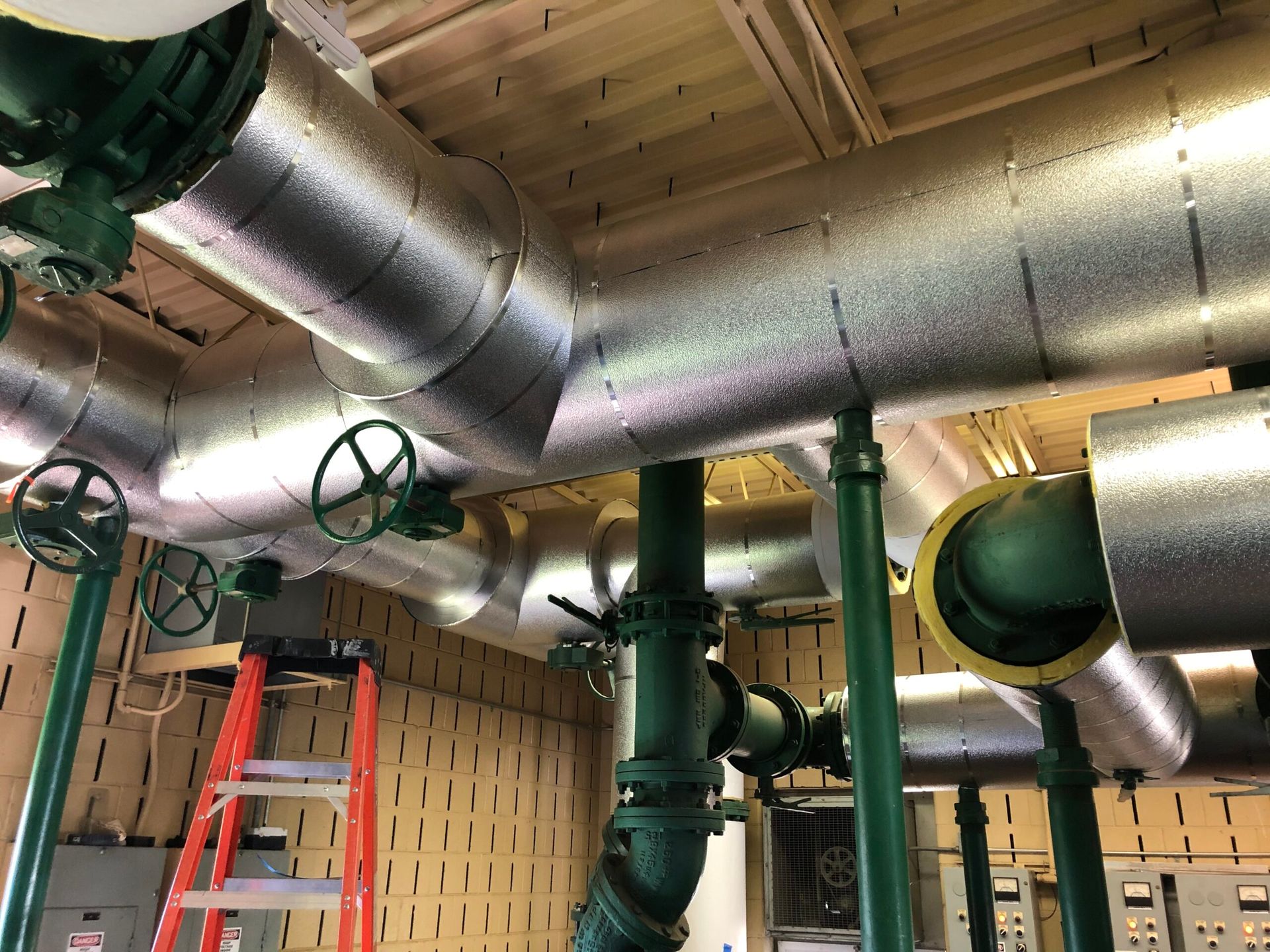
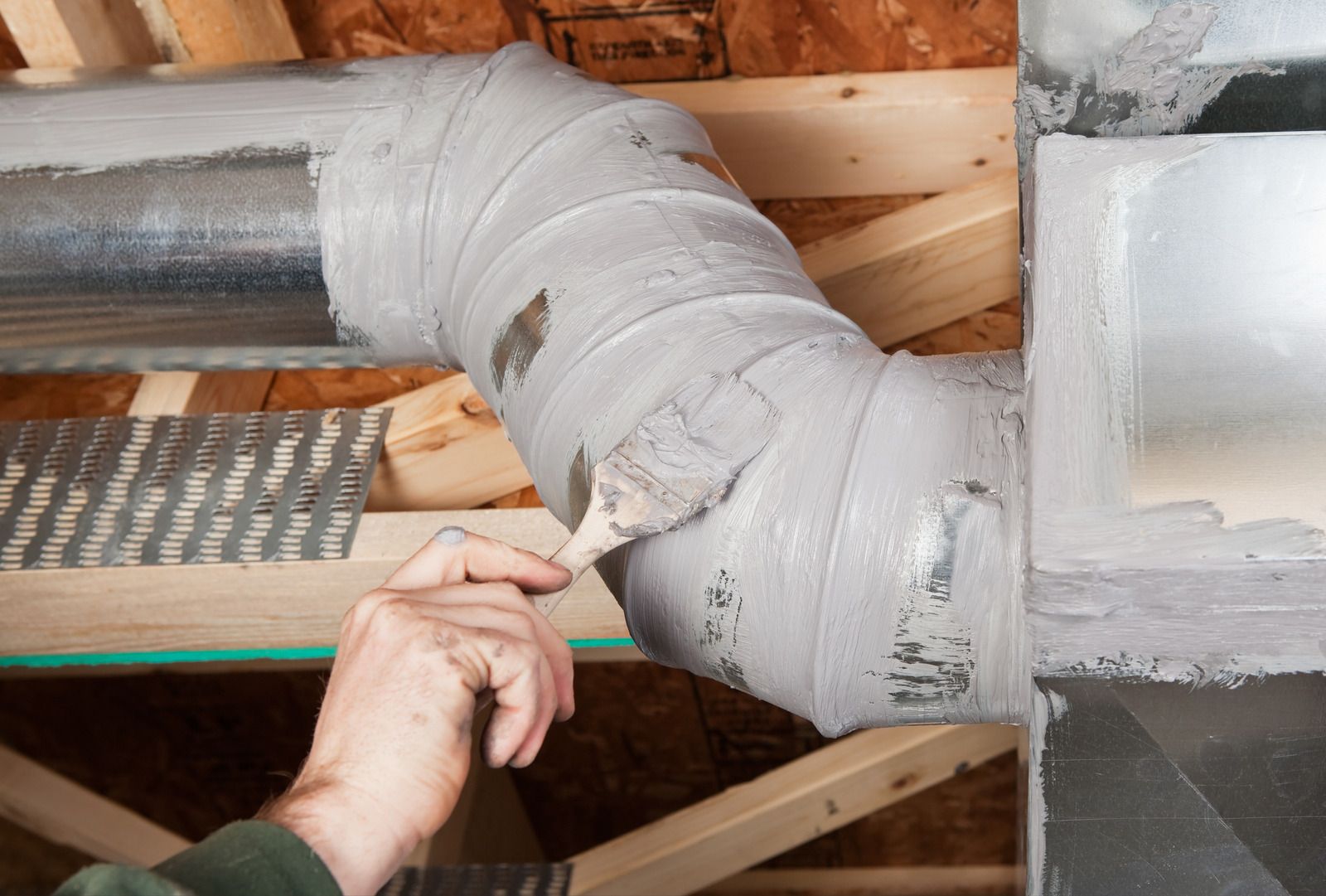
Supply and return ducts running through unconditioned spaces receive foam that seals joints and insulates the metal, keeping air at the temperature your system produced until it reaches each room.
Template premium 99
Equipment

HVAC Equipment Insulation


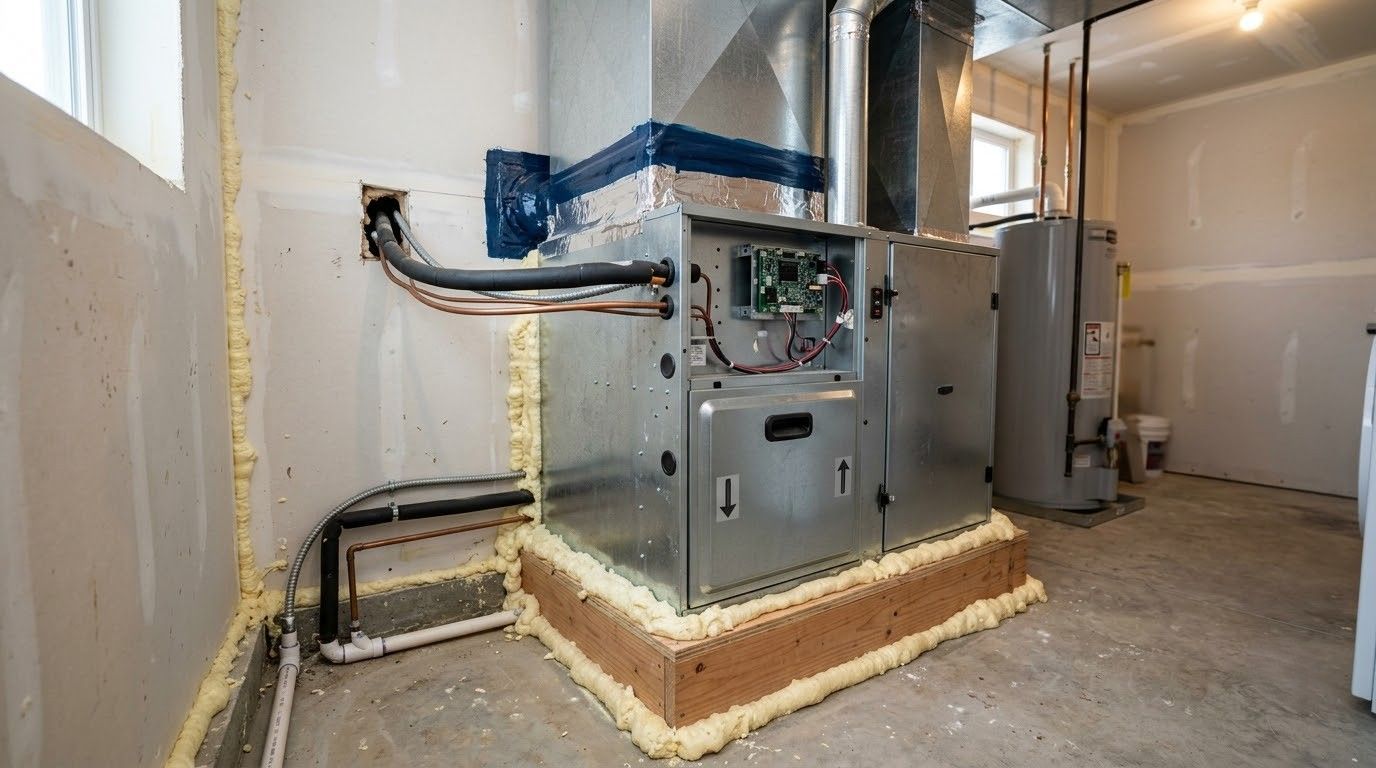
Furnace closets, air handler platforms, and mechanical areas often leak air into and out of the system. We seal and insulate around equipment while keeping filters, panels, and controls fully accessible.
Template premium 99
Attic Systems

Attic Insulation for HVAC Efficiency


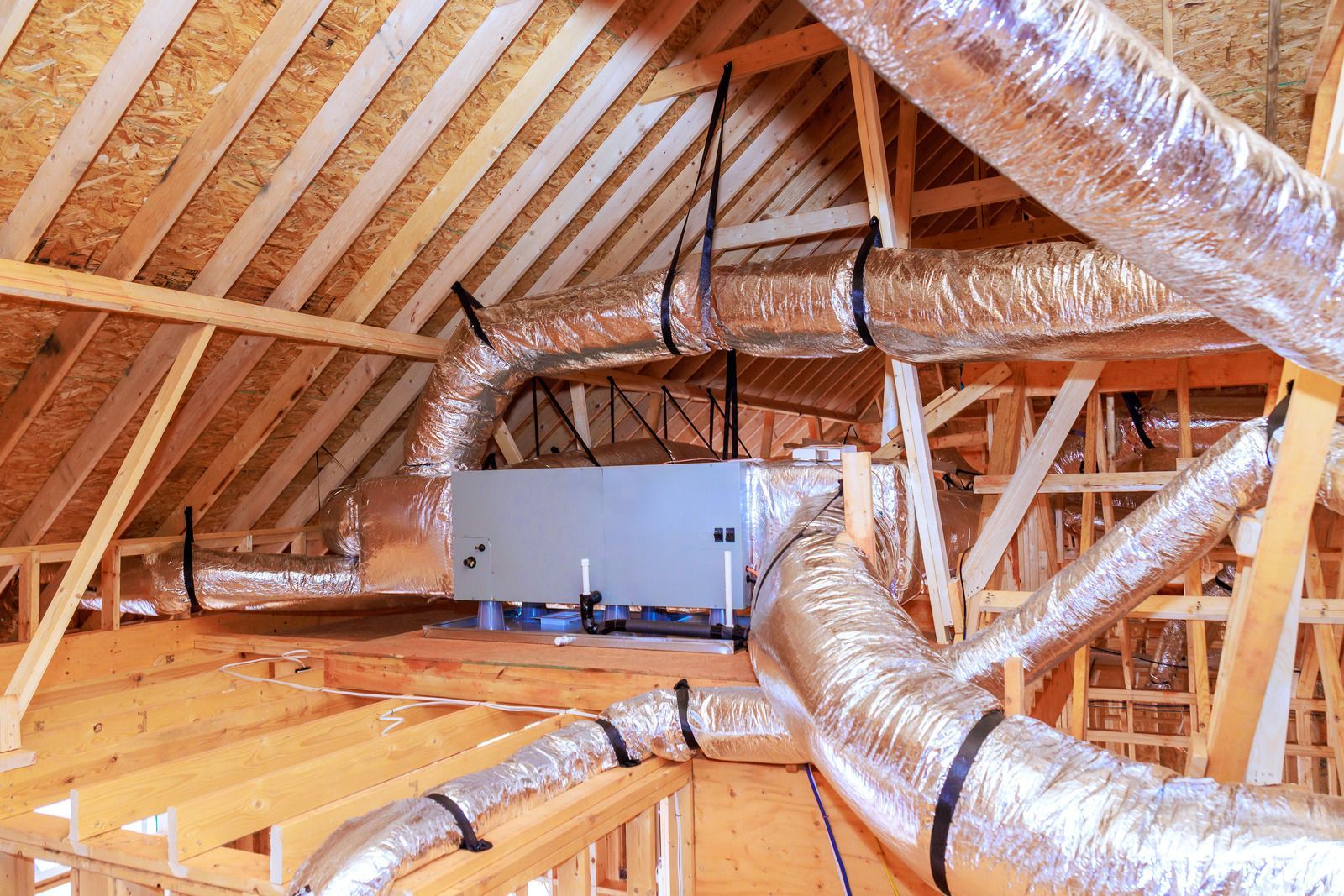
When ducts or air handlers sit in the attic, sealing and insulating the attic itself can bring that equipment inside the thermal envelope, reducing losses from extreme summer and winter temperatures.
Template premium 99
Air Sealing

Air Sealing Services


Gaps where ducts, flues, and refrigerant lines pass through floors, walls, and ceilings let conditioned air escape. We seal those penetrations with foam so the system and the building work together.
Template premium 99
Mechanical Rooms

Mechanical Room Insulation


Unfinished utility rooms and basement mechanical spaces often sit outside the insulated envelope. Foam on surrounding walls and ceilings helps protect equipment and the ducts leaving it from cold surroundings.
Template premium 99
Duct Chases

Duct Chase Sealing


Vertical chases carrying ducts between floors can act like open chimneys from basement to attic. Sealing those chases stops air from moving freely through the building and bypassing your living space.
Black horizontal rounded line on a white background

THE WORD ON OUR WORK

What Our Clients Say.

Homeowners describe bedrooms that finally warm up and vents that blow with real force, while facility managers mention steadier temperatures across their buildings. Our reviews also note careful work around sensitive equipment. Read what they experienced and share your own story when your project is finished.
    Black horizontal line on a white background
    FAQ

    Frequently Asked Questions.

    HVAC foam insulation sits at the meeting point of your ducts, your equipment, and your building. These answers cover the questions homeowners and building managers most often ask us.

      What are the benefits of HVAC foam insulation?

      It improves energy efficiency, reduces utility bills, and enhances indoor comfort. HVAC foam insulation also prevents air leaks and heat loss, extends system lifespan, and improves air quality, helping maintain consistent temperatures throughout your space.

      How long does HVAC foam insulation last?

      When properly installed, HVAC foam insulation can last for decades. It does not settle or sag like many traditional materials, so it keeps its effectiveness for the life of your building.

      Can HVAC foam insulation be applied to existing systems?

      Yes. TrueFoam LLC assesses existing systems throughout Pittsburgh, Pennsylvania, and recommends where to insulate ductwork, equipment areas, or surrounding spaces. We use techniques that limit disruption while improving overall system efficiency.

      Do you repair or replace heating and cooling equipment?

      No. We focus on sealing and insulating ducts, equipment areas, and the building around them. For equipment repairs or replacement, we recommend working with a licensed HVAC contractor, and we are glad to coordinate with yours.

      Will foam on ductwork block access for future service?

      It should not. We keep service panels, filters, access doors, and controls clear, and we leave removable components uncovered so technicians can still maintain and repair the system easily.

      Can insulating ducts help with summer condensation?

      Yes. Cold air conditioning ducts running through hot, humid attics or basements can sweat and drip. Insulating and sealing them keeps the duct surface warmer and helps prevent that condensation and water damage.

      Should ducts in the attic be insulated or brought inside the envelope?

      Both approaches work. Insulating the ducts directly reduces losses, while sealing and insulating the roof deck brings ducts inside a conditioned attic. We recommend the option that fits your attic and budget.

      What sets TrueFoam LLC apart for HVAC foam insulation?

      Homes and businesses in Pittsburgh, Pennsylvania, choose TrueFoam LLC for our owner's 45+ years of experience, careful work around equipment, American-made materials, competitive pricing, clean job sites, and free quotes.

      Short black horizontal line on a white background
      How We Work

      From Leaky Ducts to Delivered Air, Here is How.

      STEP 01

      We Trace the Airflow
      We follow your ductwork from the furnace or air handler to the vents, checking joints, boots, and exposed runs in attics, basements, and garages. Weak vents and comfort complaints help us find the biggest losses.

      STEP 02

      We Prioritize the Losses
      Our recommendation ranks where foam will make the biggest difference, whether that means duct runs, equipment areas, attic spaces, or chases. The quote explains the scope, materials, and timing clearly.

      STEP 03

      We Protect the Equipment
      Before any foam goes on, we cover furnaces, air handlers, filters, controls, and nearby finishes. Service panels and access doors are masked so they stay clean, clear, and fully usable afterward.

      STEP 04

      We Seal the Joints
      Duct seams, boot connections, and penetrations through floors and ceilings get sealed first. Stopping those leaks keeps conditioned air inside the system before we add insulation to exposed runs.

      STEP 05

      We Insulate the Runs
      Exposed ductwork and surrounding surfaces receive foam in controlled passes, creating an even insulating layer that keeps air at the right temperature from the equipment all the way to each room.

      STEP 06

      We Check Access and Clean up
      We confirm every panel, filter slot, and control remains accessible, remove all coverings and debris, and walk you through the work. Your HVAC contractor will find the system ready to service.