Black horizontal line near the left side on a white background
Shipping Container Spray Foam Insulation

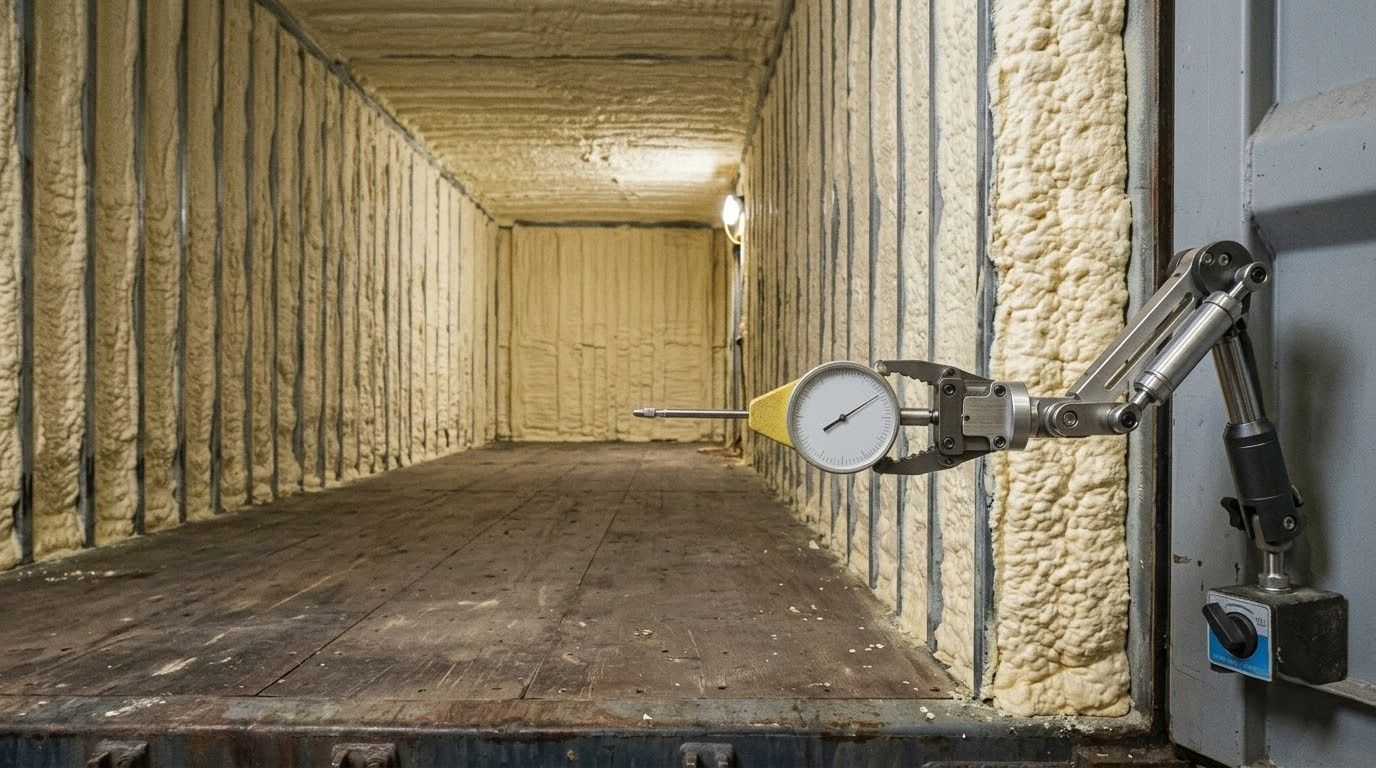
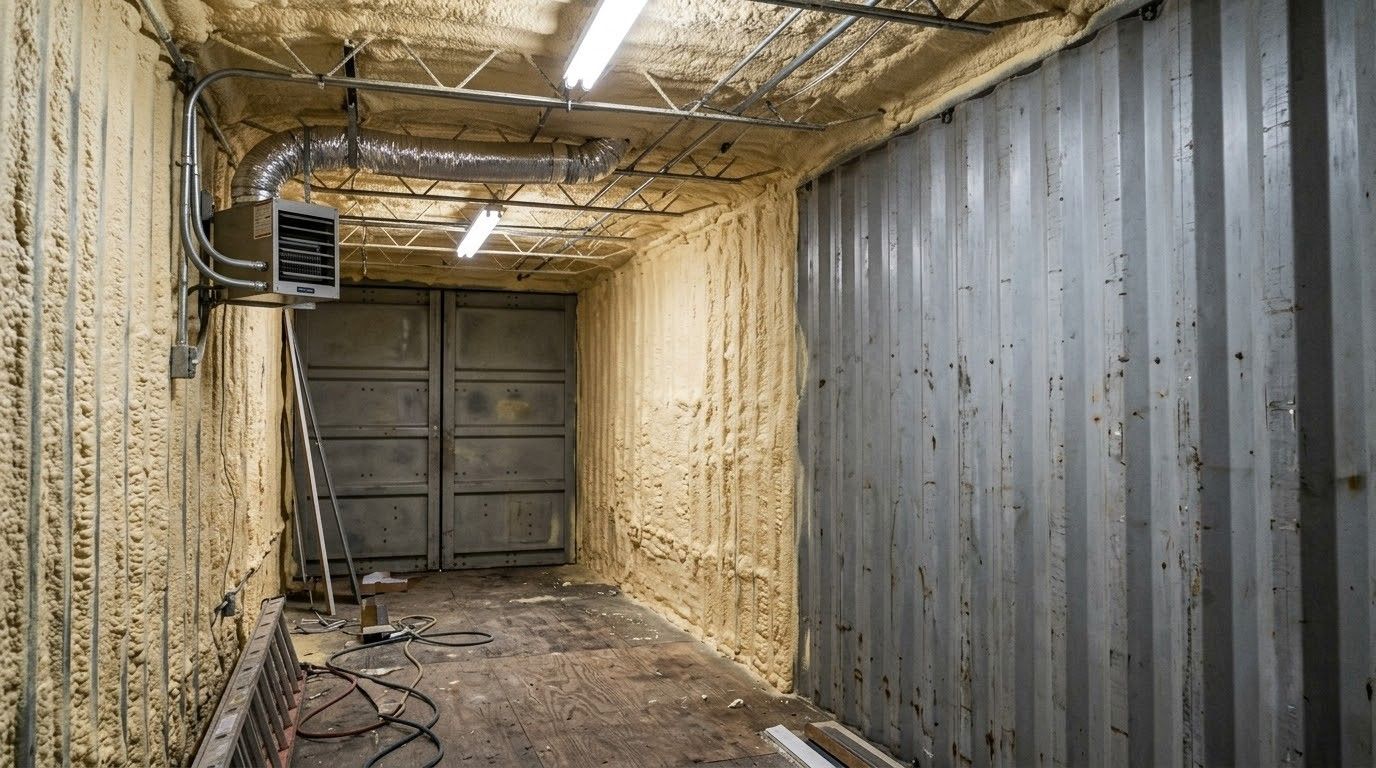
A standard 40-foot shipping container offers roughly 300 square feet of floor space, all wrapped in corrugated steel that heats up fast in summer sun and turns bitterly cold during Pittsburgh winters. TrueFoam LLC provides shipping container spray foam insulation in Pittsburgh, Pennsylvania, for storage units, job site offices, workshops, pop-up shops, and container homes. Foam bonds directly to the painted steel walls, filling every corrugation and seam so the box holds temperature and stops the condensation that leads to rust. Our locally owned crew uses American-made materials and tailors each application to exactly how the container will be used.
Construction workers pouring concrete at a building site, with a truck in the background
Wet concrete pouring from a truck chute onto a construction site, forming a gravelly slab surface

Bare Steel Sweats, Rusts, and Swings with the Weather.

When warm, humid air inside a container touches cold steel walls, it condenses into droplets that drip onto stored goods, soak cardboard, and rust the box from within. Without insulation, interior temperatures follow the weather outside, climbing sharply on sunny afternoons and plunging on cold nights, which stresses everything stored or working inside.

Spray foam stops both problems at once, protecting what is inside the container, the people who use it, and the steel shell itself for many years.

  • Controls condensation and dripping
  • Protects steel from interior rust
  • Steadier temperatures inside
  • Fits every corrugation and seam
Black horizontal line on a white background
Shipping Container Spray Foam Insulation

Turn a Steel Box into a Space Worth Using.

Containers make practical storage, offices, workshops, and even homes, but only when the interior stays comfortable and dry. Spray foam creates a seamless insulated shell across walls, ceiling, and doors, so a container can hold stable temperatures for sensitive items or conditioned air for people working inside. Because foam adheres directly to the steel, it adds insulation without framing that eats into interior space, which matters when every inch counts.

Containers Around Pittsburgh Face Tough Seasons.

Job sites, farms, commercial yards, and backyard projects across Allegheny County and neighboring counties use containers year round. Freezing nights, humid summers, and quick temperature swings in spring and fall are exactly the conditions that drive condensation. We plan each container around its location, sun exposure, ventilation, and purpose, whether it will store equipment, shelter a crew, or become a finished office or living space.

Steel Behaves Differently, and We Spray It That Way.

Metal surfaces need clean preparation, the right application temperature, and careful passes to bond properly, lessons our owner has absorbed across 45+ years of insulation work. Our crew checks for rust, oil, and existing coatings before foam goes on, then builds even coverage over the corrugations. That care keeps the foam firmly attached for the long haul, even through freeze and thaw cycles. Planning a container project that needs to stay dry and comfortable?

What an Insulated Container Delivers

Black-and-white icon of a hand operating a conveyor belt over rows of logs or bottles
Temperature Control for Sensitive Items
Insulation keeps interior temperatures far more stable, protecting electronics, documents, tools, paint, and other stored items from the heat and cold that damage them in a bare steel box.
Black-and-white icon of a saw cutting through stacked bricks and a woven pattern above them
Prevention of Condensation and Moisture Damage
Foam keeps humid air away from cold steel, stopping the dripping condensation that soaks boxes and contents, promotes mold, and slowly rusts containers from the inside out.
A black tire-track icon above a row of tires and brick pattern, suggesting off-road or tread-related signage
Energy Cost Reduction
Containers used as offices, workshops, or living spaces need far less heating and cooling when insulated, keeping small heaters and air conditioners from running constantly just to hold a comfortable temperature.
Black-and-white icon of a chainsaw cutting into a stacked pile of logs or bricks
Enhanced Durability of Container Structures
By blocking condensation and adding a bonded layer to the steel, foam helps protect walls, ceilings, and doors from corrosion, extending the useful life of your container investment by many years.
Black safety icon with a drill above a brick wall and round hazard symbol.
Improved Air Quality
With moisture under control, containers avoid the musty odors and mold growth that often develop in sealed steel boxes, keeping the interior fresher and healthier for people and stored goods.
Black and white tire tread with a small vehicle icon above it
Noise Reduction for Conversions
Bare steel amplifies rain, wind, and outside noise. Foam dampens those sounds, making converted offices, studios, and living spaces much quieter and more pleasant to spend long hours in.
Black horizontal rounded line on a white background

our services

Our Container Insulation Work
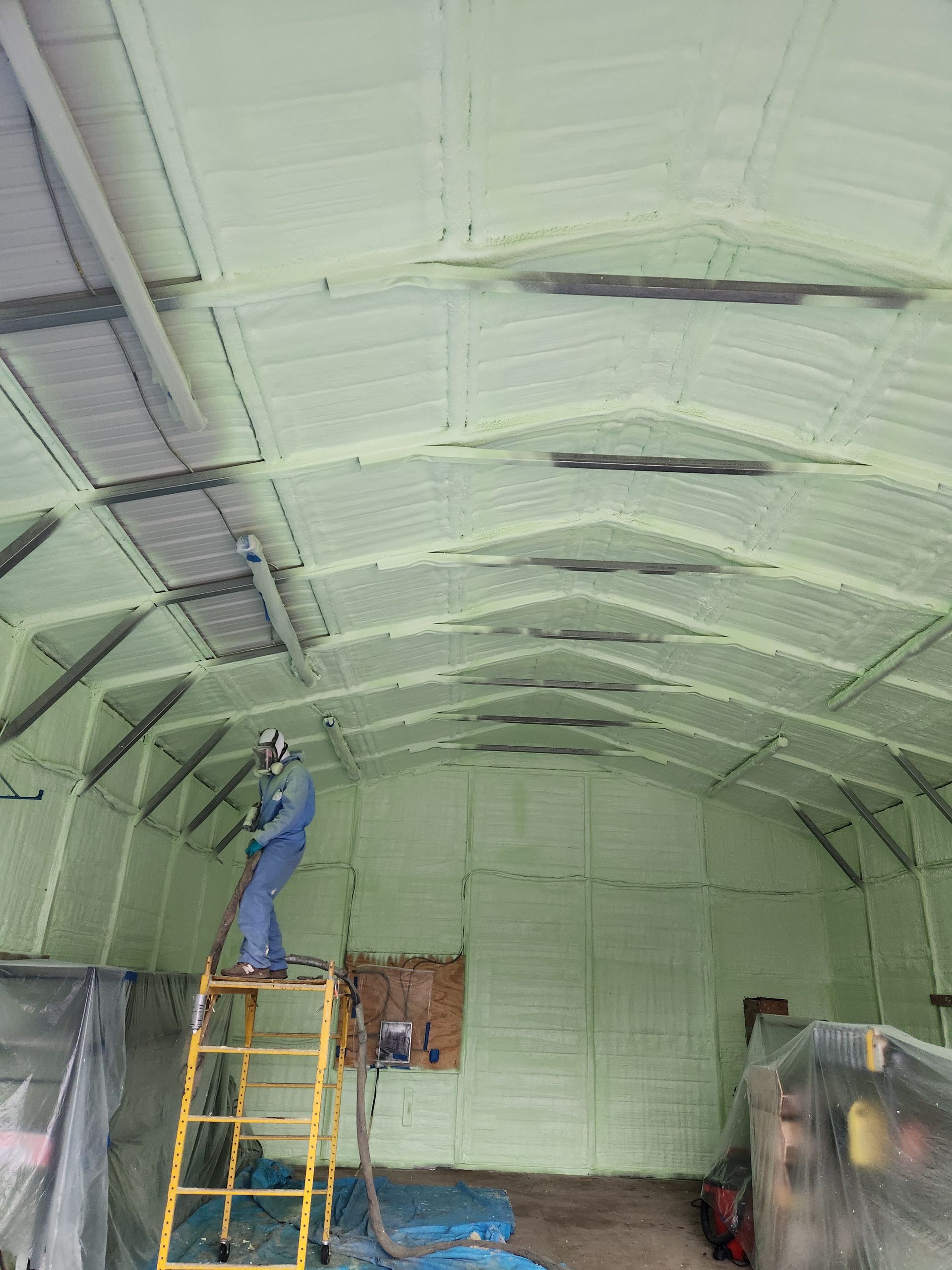
Containers serve many purposes, so we adjust foam placement, thickness, and surface preparation to match whether yours will hold inventory, shelter workers, or become a finished room with windows and doors.
Template premium 99
Container Foam

Spray Foam Insulation for Shipping Containers
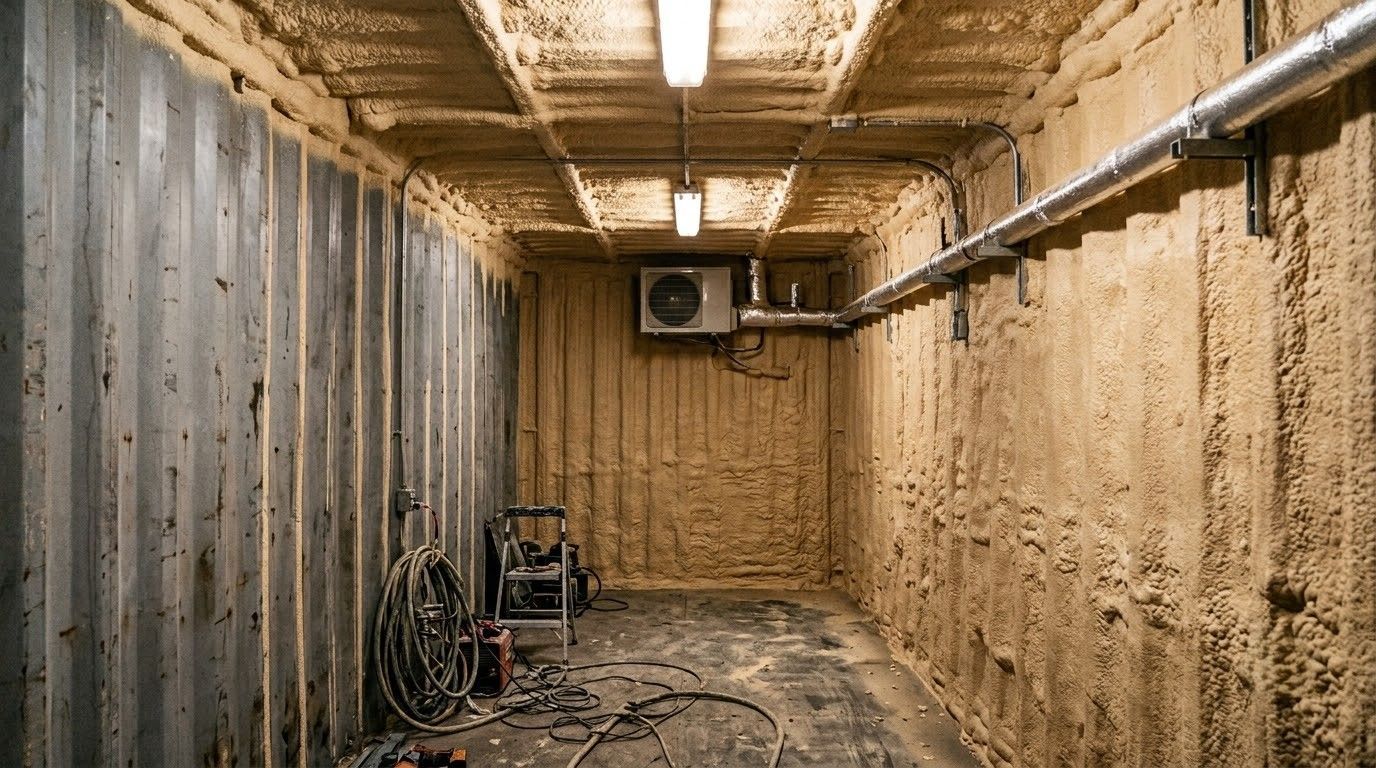

Walls, ceilings, and doors receive a continuous layer of foam bonded to the steel, sealing seams and corrugations to create an insulated, airtight shell throughout the entire container from end to end.
Template premium 99
Climate Storage

Temperature-Controlled Storage Solutions
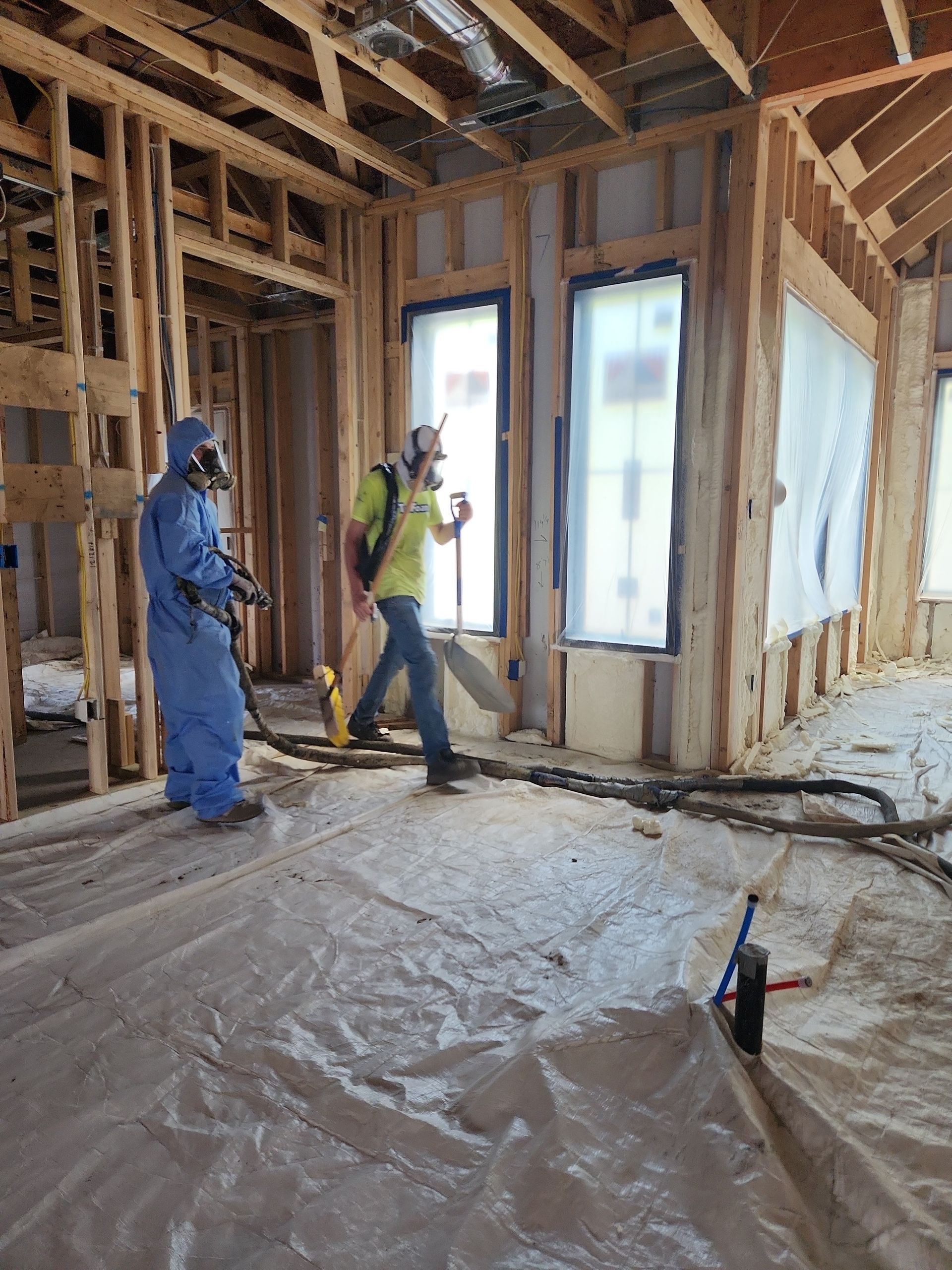

Containers holding temperature-sensitive goods need stable interiors. Foam insulation helps heaters or cooling units maintain the temperature range you need while using far less energy to do it.
Template premium 99
Moisture Control

Moisture Barrier Application


Foam acts as a barrier between humid interior air and cold steel, preventing condensation from forming on walls and ceilings where it would otherwise drip onto stored contents and equipment.
Template premium 99
Efficient Design

Energy-Efficient Insulation Techniques
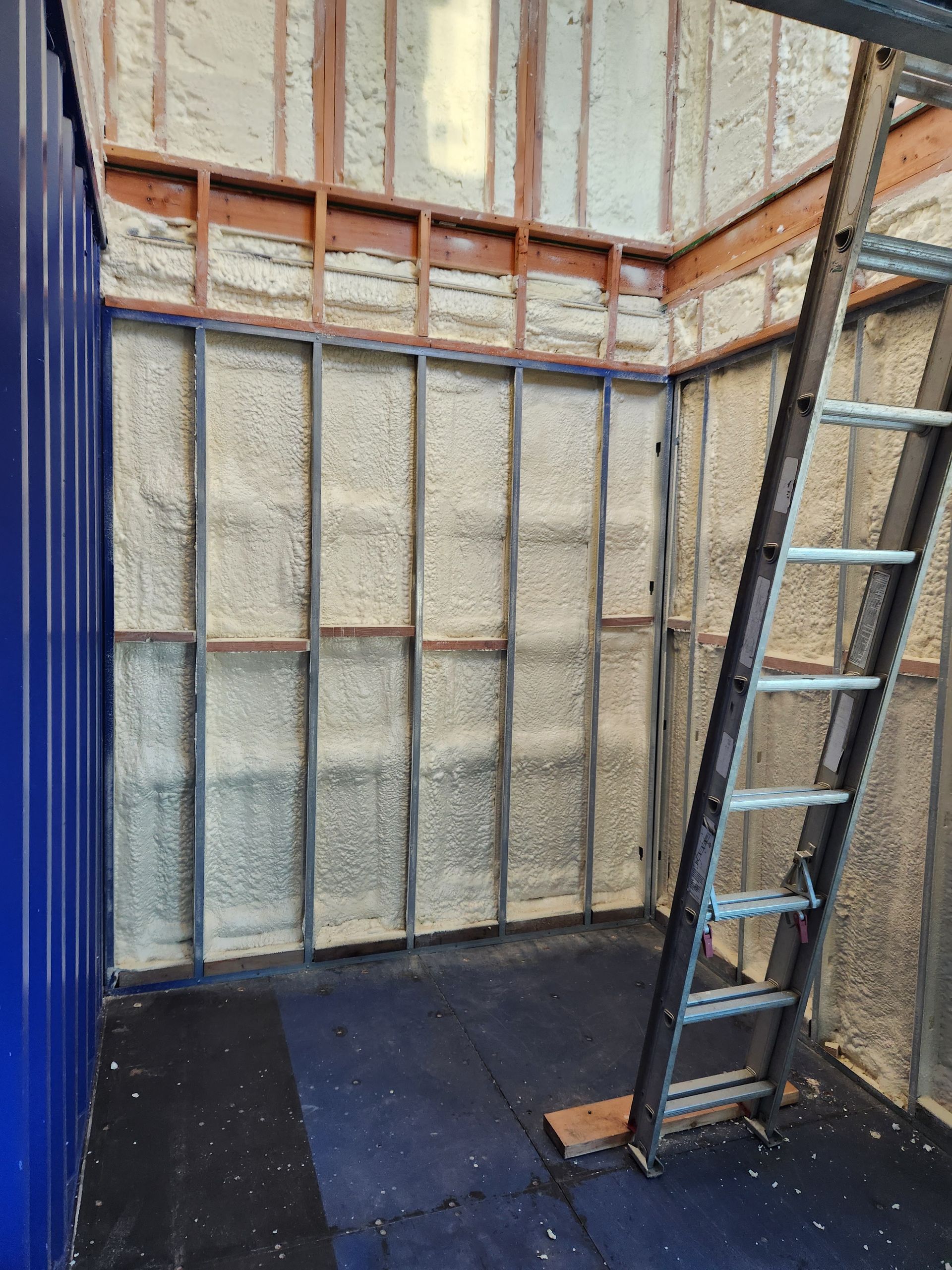

We plan foam thickness and coverage around how the container will be heated or cooled, balancing insulation value with usable interior space so the unit performs efficiently in every season.
Template premium 99
Custom Builds

Custom Insulation for Modified Containers
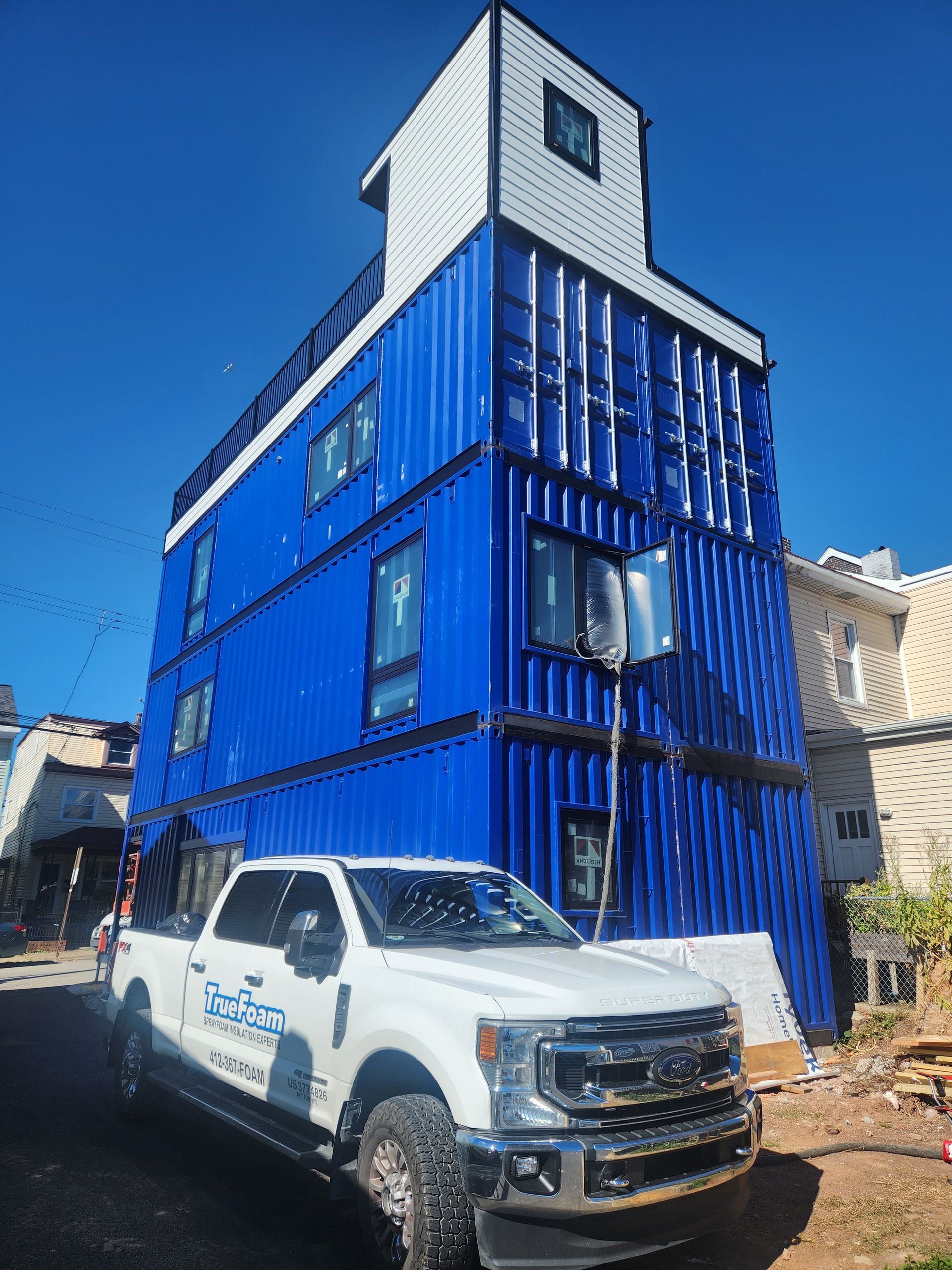

Containers with added windows, doors, vents, or cut openings need careful sealing around every modification. We foam carefully around framed openings to keep drafts, rain, and moisture out of the finished space.
Template premium 99
Conversions

Container Office and Living Conversions


Job site offices, studios, and container homes need comfortable, quiet interiors. Foam creates the insulated, sealed shell those conversions depend on before wiring, framing, and interior finishes are installed.
Black horizontal rounded line on a white background

THE WORD ON OUR WORK

What Our Clients Say.

Container owners tell us their stored equipment finally stays dry and their site offices stay comfortable through winter. Our reviews also mention straightforward advice on preparation and a clean finished job. See what they have to say and add your own review after your container is done.
    Black horizontal line on a white background
    FAQ

    Frequently Asked Questions.

    Container insulation raises practical questions about surface preparation, durability, and how the finished space will be used. These answers cover what owners most often ask before scheduling their project.

      What are the benefits of container spray insulation?

      It improves temperature control, prevents condensation, reduces energy costs, and cuts noise. Foam protects stored items from temperature extremes, stops moisture that causes rust and mold, and makes converted containers more comfortable.

      How long does container spray insulation last?

      When properly applied, spray foam can last for the lifetime of the container. It resists settling and sagging, though material quality, application technique, and conditions all affect longevity, so periodic checks are helpful.

      Can container spray insulation be applied to containers already in use?

      Yes, with preparation. The container must be emptied and cleaned so the foam adheres, and existing rust or damage should be addressed first. TrueFoam LLC assesses in-use containers around Pittsburgh, Pennsylvania, before planning work.

      Can you insulate a container where it sits?

      Often, yes, as long as our equipment can reach the site and the container is accessible. We confirm location, access, and power needs during the estimate so the application goes smoothly.

      Should the floor of a container be insulated too?

      It depends on use. Containers for people or sensitive goods usually benefit from floor insulation, which may be installed underneath or over the existing floor. We discuss options based on how you plan to use the space.

      Does foam in a container need to be covered?

      If the container will be occupied, codes typically require foam to sit behind an approved thermal barrier, such as drywall or paneling. Storage-only containers may have different requirements we review with you.

      How thick should container insulation be?

      Thickness depends on use and climate. Storage containers may need less, while offices and living spaces benefit from more. We balance insulation value against interior space when recommending depth.

      Why choose TrueFoam LLC for shipping container insulation?

      Owners in Pittsburgh, Pennsylvania, choose TrueFoam LLC for our owner's 45+ years of experience, careful steel preparation, American-made materials, competitive pricing, clean job sites, and free quotes on every container project.

      Short black horizontal line on a white background
      How We Work

      From Bare Steel Box to Usable Space, Here is How.

      STEP 01

      We Look Inside
      We inspect the container's walls, ceiling, doors, and any modifications, checking for rust, dents, oil, and existing coatings. We also confirm access, location, and how you plan to use the space.

      STEP 02

      We Plan the Shell
      Based on your goals, we recommend foam coverage and thickness for walls, ceiling, doors, and floor options. Your quote lays out the scope, preparation needs, materials, and schedule clearly.

      STEP 03

      We Prep the Steel
      Surfaces are cleaned and dried so foam can bond firmly, and any rust, oil, or contamination is addressed. Openings, vents, and fixtures get masked, and we set up ventilation before application begins.

      STEP 04

      We Spray Every Corrugation
      Foam goes onto the steel in controlled passes, filling each ridge and valley of the corrugated walls and sealing seams, corners, and door frames to build a continuous insulated shell.

      STEP 05

      We Confirm Coverage
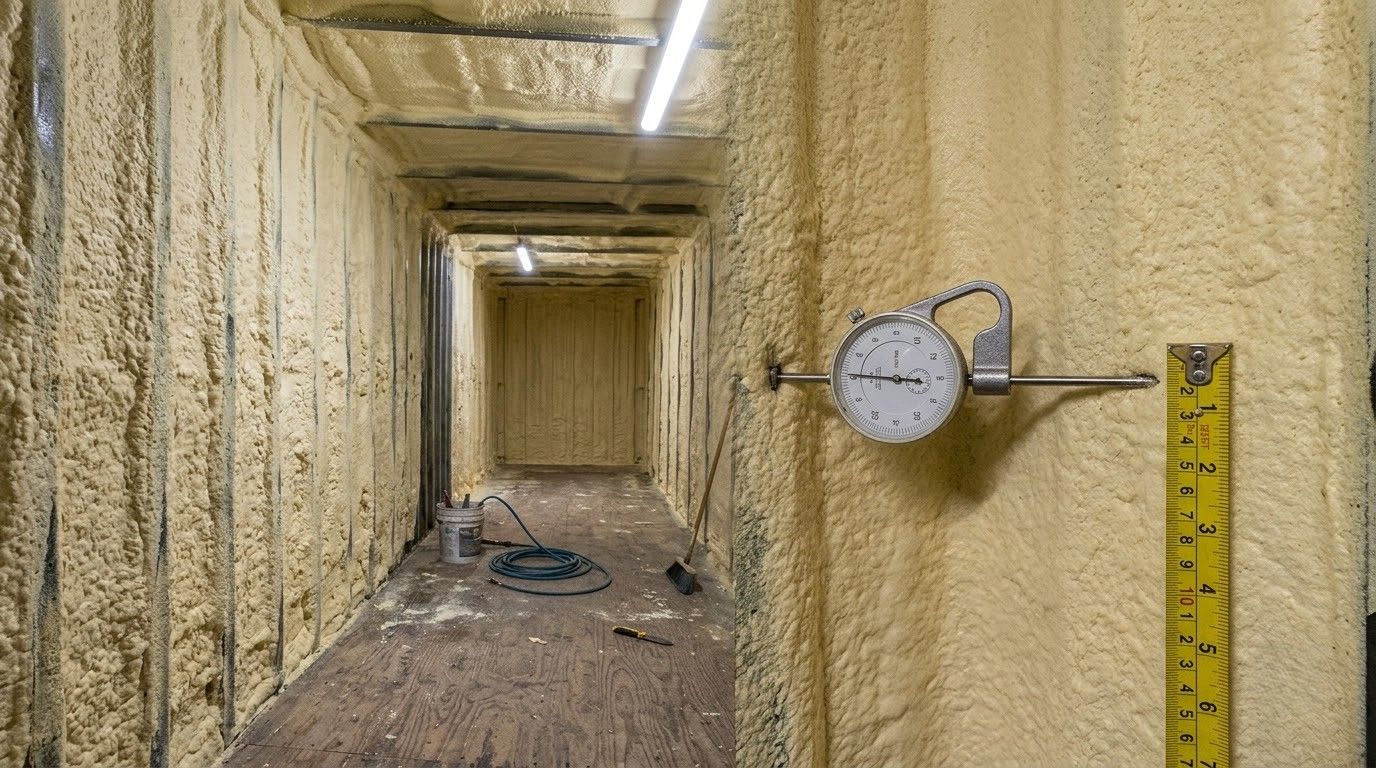
      We check thickness across walls, ceiling, and doors and look closely at corners and modifications. Any thin spots, pinholes, or gaps are corrected on the spot before we consider the container finished.

      STEP 06

      We Clean and Hand Off
      Masking and debris are removed and the site is cleaned up. We walk you through the finished container and explain what interior finishes or coverings it may need next.