Black horizontal line near the left side on a white background
Wall Insulation

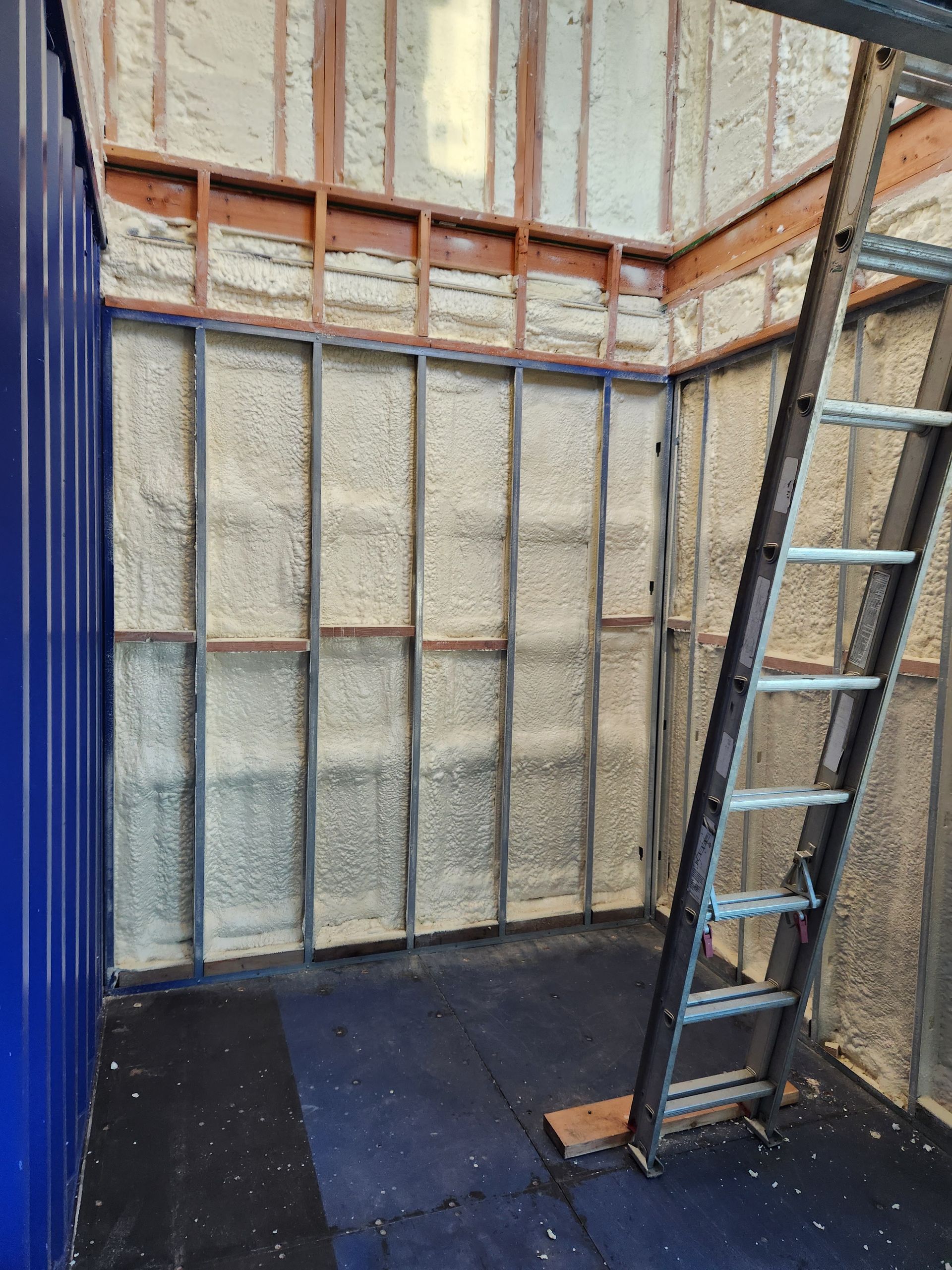
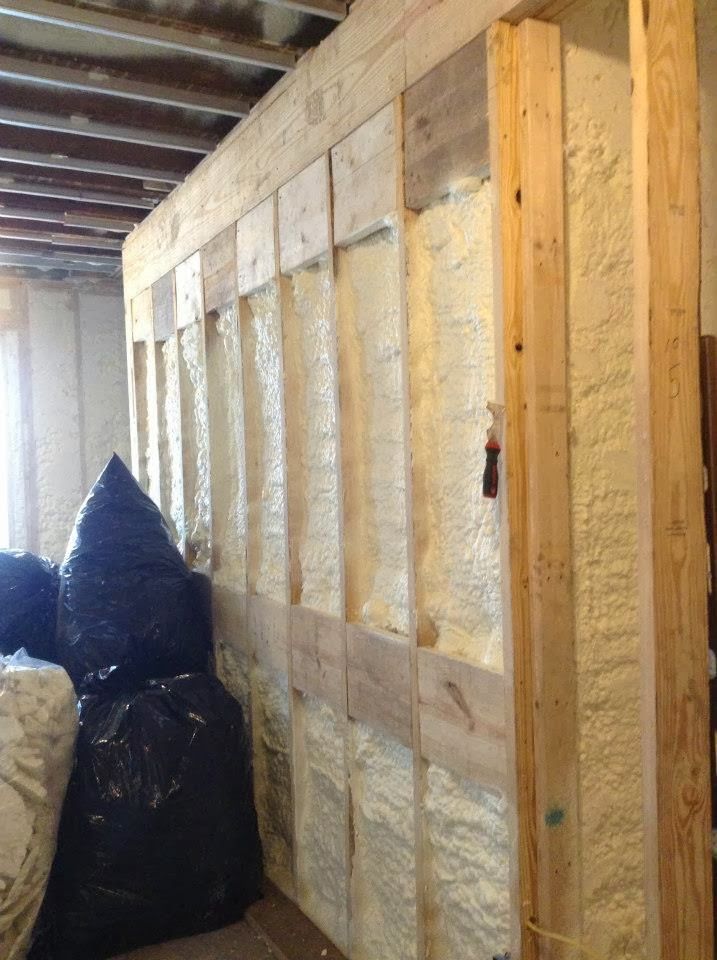
The cavity inside a standard 2x4 exterior wall is only 3½ inches deep, which limits fiberglass batts to roughly R-13 to R-15 and leaves air free to move around their edges. TrueFoam LLC installs spray foam wall insulation in Pittsburgh, Pennsylvania, filling open stud bays during remodels, additions, and new framing, and treating many existing walls through small entry holes. Foam seals outlets, top plates, and wiring penetrations while it insulates, so the wall performs as a single airtight layer. Our locally owned crew uses American-made materials and plans each wall around how your house was originally framed and finished.
Construction workers pouring concrete at a building site, with a truck in the background
Wet concrete pouring from a truck chute onto a construction site, forming a gravelly slab surface

Walls Should Block the Weather, Not Let It Whistle Through.

Stand near an outlet on an exterior wall during a January cold snap and you can often feel the draft. Those small leaks add up across every wall in the house, pulling in cold air, pushing out heat you already paid for, and letting street noise travel straight into bedrooms, nurseries, and living rooms.

Spray foam closes those paths while adding insulation across the full depth of each stud bay, turning thin, leaky walls into a steady barrier against wind, cold, and noise.

  • Seals drafts at outlets and plates
  • Fills every cavity edge to edge
  • Quiets outside noise indoors
  • Works in new and older walls
Black horizontal line on a white background
Wall Insulation

Rooms Stay Even When the Walls Stop Leaking.

Exterior walls make up a large share of the surface where your home meets the outdoors. When they leak, rooms along the north side or facing the wind feel colder than the rest of the house, no matter how the vents are set. Foam insulation seals and insulates those walls in one application, so heating and cooling reach every corner evenly and the whole home feels more consistent from one room to the next.

Houses Here Hide Some Tricky Wall Assemblies.

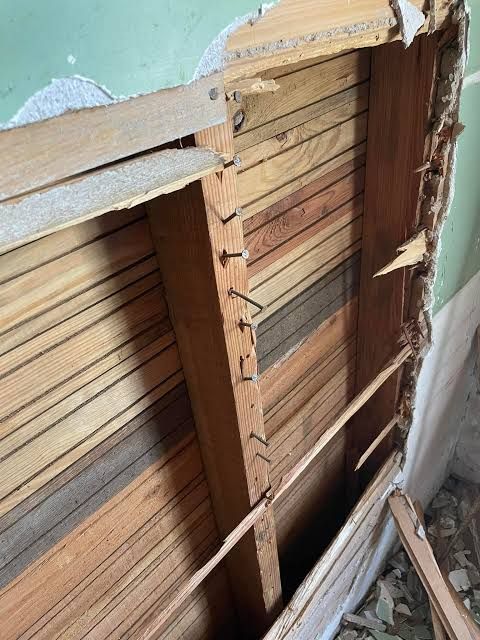
Many older Pittsburgh homes use balloon framing, where stud bays run uninterrupted from the basement to the attic and act like chimneys for cold air. Others have plaster over lath, solid brick, or several layers of siding added over the decades. We identify what is behind your walls before choosing a method, so the foam fills cavities properly and works with the construction your home already has.

Plaster, Brick, and Balloon Framing Are Familiar Territory.

Our owner has opened, inspected, and insulated walls across 45+ years in the trade, and the crew brings that practical knowledge to every project. We know where older walls hide fire blocking, how to work around knob and tube concerns, and when a wall needs a different approach altogether. That judgment protects your home and your budget. Ready to learn what your exterior walls are really doing?

What Insulated Walls Deliver

Black-and-white icon of a hand operating a conveyor belt over rows of logs or bottles
Reduce Energy Bills
Sealed, insulated walls cut the heat that escapes through every stud bay and outlet box, helping your heating and cooling equipment run less and keep more money in your pocket each month.
Black-and-white icon of a saw cutting through stacked bricks and a woven pattern above them
Improve Indoor Comfort
Rooms along exposed walls stop feeling colder than the rest of the house. Foam keeps surface temperatures closer to room temperature, so couches and beds near outside walls feel comfortable year round.
A black tire-track icon above a row of tires and brick pattern, suggesting off-road or tread-related signage
Minimize Outdoor Noise
Filling hollow cavities dampens traffic, barking dogs, and neighborhood activity. Bedrooms and home offices along busy streets become calmer places to sleep, focus, and spend time with the people you live with.
Black-and-white icon of a chainsaw cutting into a stacked pile of logs or bricks
Prevent Moisture Issues
Foam limits the warm, humid air that can move into wall cavities and condense on cold sheathing, reducing the risk of hidden mold, rot, and damage that stays out of sight for years.
Black safety icon with a drill above a brick wall and round hazard symbol.
Increase Property Value
Well-insulated walls lower operating costs and add comfort that future buyers can feel during a showing. Energy upgrades inside the walls also support a stronger position when you eventually list the home.
Black and white tire tread with a small vehicle icon above it
Contribute to a Greener Environment
Using less energy to heat and cool your home reduces fuel consumption and the emissions tied to it, a practical way to shrink your household's environmental footprint without changing your routines.
Black horizontal rounded line on a white background

our services

Our Wall Insulation Work

Every wall project begins with what is already there. We match the method to your framing, your finishes, and whether the walls are open for renovation or finished and staying in place.
Template premium 99
Open Framing

Exterior Wall Cavity Insulation


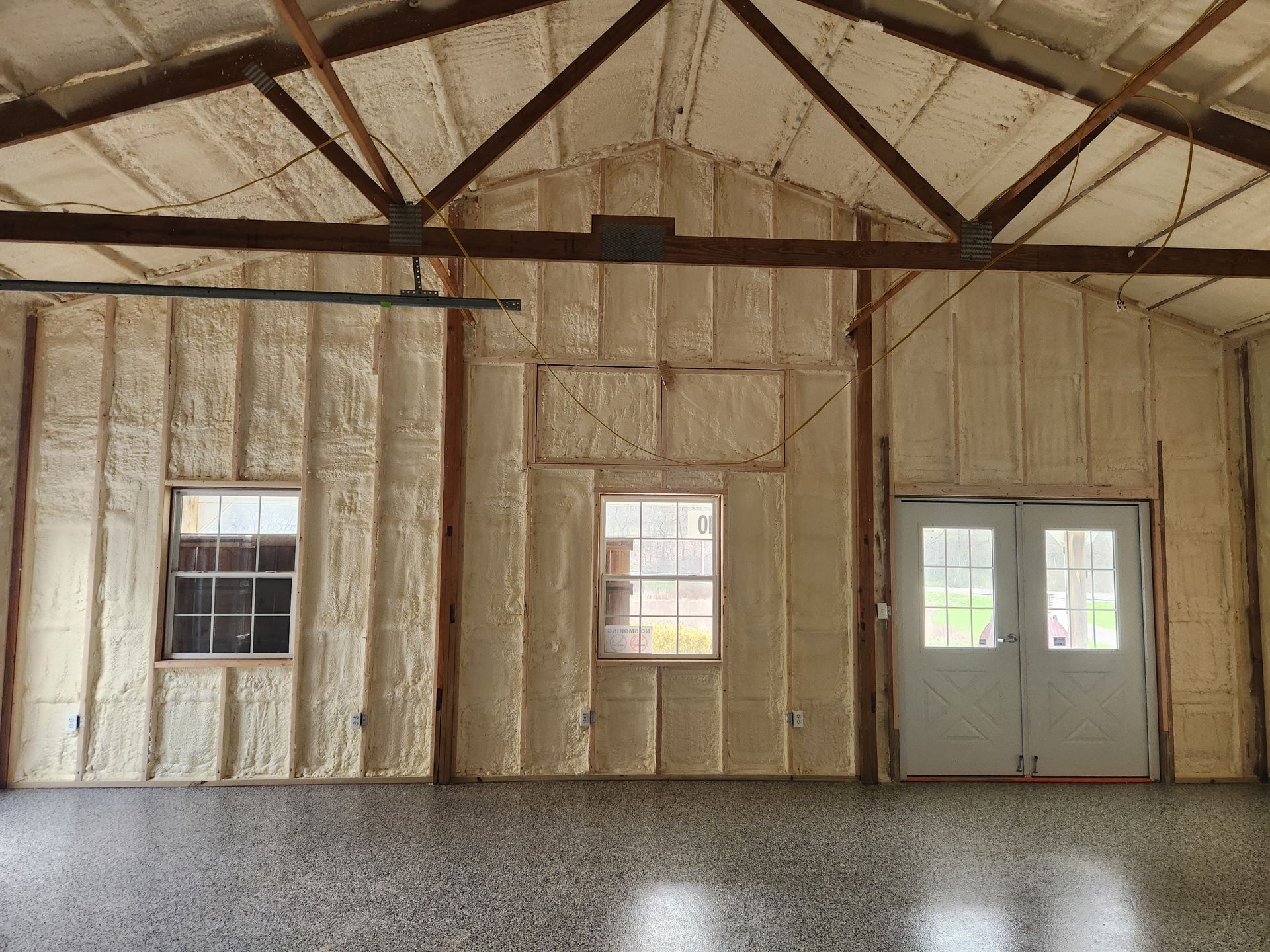
When studs are exposed during framing or renovation, we spray foam directly into each bay, sealing sheathing seams, electrical boxes, and top plates while filling the cavity to the planned depth.
Template premium 99
Finished Walls

Existing Wall Retrofit Insulation


Finished walls do not always need to come down. For many homes, we fill hidden cavities through small, carefully placed entry holes, adding insulation without tearing out drywall, plaster, or trim.
Template premium 99
Additions

Addition and Remodel Wall Insulation


New rooms and gutted spaces are the ideal time to insulate. Foam gives additions and remodeled areas an airtight shell that matches or outperforms the rest of the house from the first day.
Template premium 99
Interior Walls

Interior Wall Sound Insulation


Walls between bedrooms, bathrooms, and home offices can pass more noise than you expect. Foam in interior cavities absorbs sound and adds privacy between rooms without affecting how the house heats.
Template premium 99
Garage Walls

Garage-to-House Wall Insulation


The wall shared between an attached garage and the living space often lets cold air and fumes seep through. Sealing and insulating it keeps adjoining rooms warmer and the air inside cleaner.
Template premium 99
Older Framing

Balloon-Frame Wall Sealing


Open stud bays in balloon-framed homes let cold air rise from basement to attic. We seal and insulate those channels to stop the chimney effect that chills older houses from the inside.
Black horizontal rounded line on a white background

THE WORD ON OUR WORK

What Our Clients Say.

Our clients often mention the first quiet night after the work was finished, when traffic noise faded and the living room held its warmth. Reviews also highlight how carefully our crew protected floors and furniture. Take a look at their comments and share yours after your own project.
    Black horizontal line on a white background
    FAQ

    Frequently Asked Questions.

    Walls hide a lot, so homeowners want to know how we get foam inside and what changes afterward. These answers cover the most common questions about wall insulation.

      What types of wall insulation does TrueFoam LLC offer?

      TrueFoam LLC offers spray foam wall insulation for homes and businesses in Pittsburgh, Pennsylvania. We use it in open framing during construction and remodeling, and in many finished walls through small entry holes.

      How can wall insulation benefit my home or business?

      Wall insulation reduces energy bills, improves indoor comfort, and minimizes outdoor noise. It also helps prevent moisture issues, increases property value, and lowers the energy your building uses to stay comfortable every day.

      Can you insulate walls without removing drywall or plaster?

      In many cases, yes. We fill enclosed cavities through small holes drilled between studs. An inspection confirms whether your wall structure, fire blocking, and finishes allow this approach before we begin.

      Is spray foam better than fiberglass batts for walls?

      For air sealing, yes. Batts slow heat but let air pass around their edges and through gaps, while spray foam seals those gaps and fills the cavity completely, delivering more consistent performance.

      Will wall insulation help with street noise?

      It helps noticeably. Filling hollow cavities absorbs sound and closes air gaps, reducing traffic and neighborhood noise. Windows and doors still carry some sound, so results depend on the whole wall assembly.

      Do older homes with knob and tube wiring need special care?

      Yes. Active knob and tube wiring should not be buried in insulation, so an electrician should evaluate it first. We check for older wiring during our inspection and plan around what we find.

      How long does wall insulation take?

      Open-wall projects often finish in a day or two. Retrofit work through entry holes depends on the number of walls and stud bays involved, and we share a realistic timeline during your estimate.

      What sets TrueFoam LLC apart from other insulation contractors?

      TrueFoam LLC is locally owned in Pittsburgh, Pennsylvania, with an owner who brings 45+ years of experience. We offer free quotes, American-made materials, competitive pricing, and crews that respect your home.

      Short black horizontal line on a white background
      How We Work

      From Hollow Walls to a Solid Seal, Here is How.

      STEP 01

      We Survey the Walls
      We look at your walls from inside and out, checking framing type, existing insulation, finishes, and wiring. Thermal patterns, outlet drafts, and cold rooms help us pinpoint the walls that need attention most.

      STEP 02

      We Choose the Method
      Open framing gets direct spray application, while finished walls may qualify for filling through small entry holes. We explain the approach, the expected results, and the full scope in a clear, written quote.

      STEP 03

      We Mask the Rooms
      Furniture gets moved or covered, floors get protected, and windows, outlets, and trim are masked where needed. We keep work zones contained so dust and overspray stay away from the rest of your home.

      STEP 04

      We Fill Every Bay
      Foam goes into each stud cavity in controlled passes, sealing around boxes, pipes, and plates. For enclosed walls, we work bay by bay so every cavity receives full, consistent coverage.

      STEP 05

      We Check the Cavities
      After application, we confirm coverage in each wall section and trim excess foam from open framing so drywall sits flat. Any gap or thin area gets corrected before we move on.

      STEP 06

      We Tidy up
      Coverings come off, debris leaves with us, and rooms go back the way we found them. We walk you through the finished work and answer any questions about next steps such as drywall.