Black horizontal line near the left side on a white background
Whole House Spray Foam Insulation

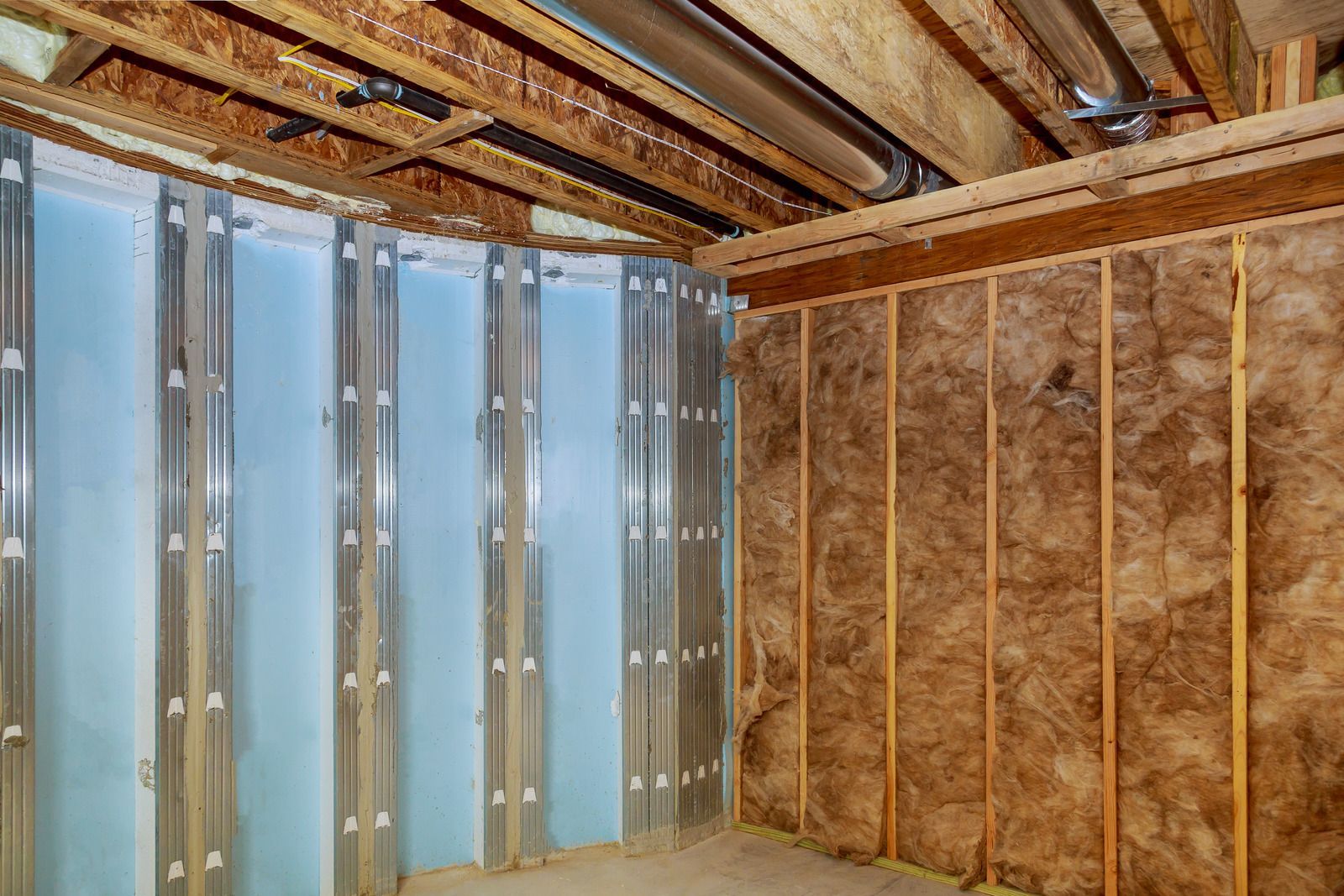
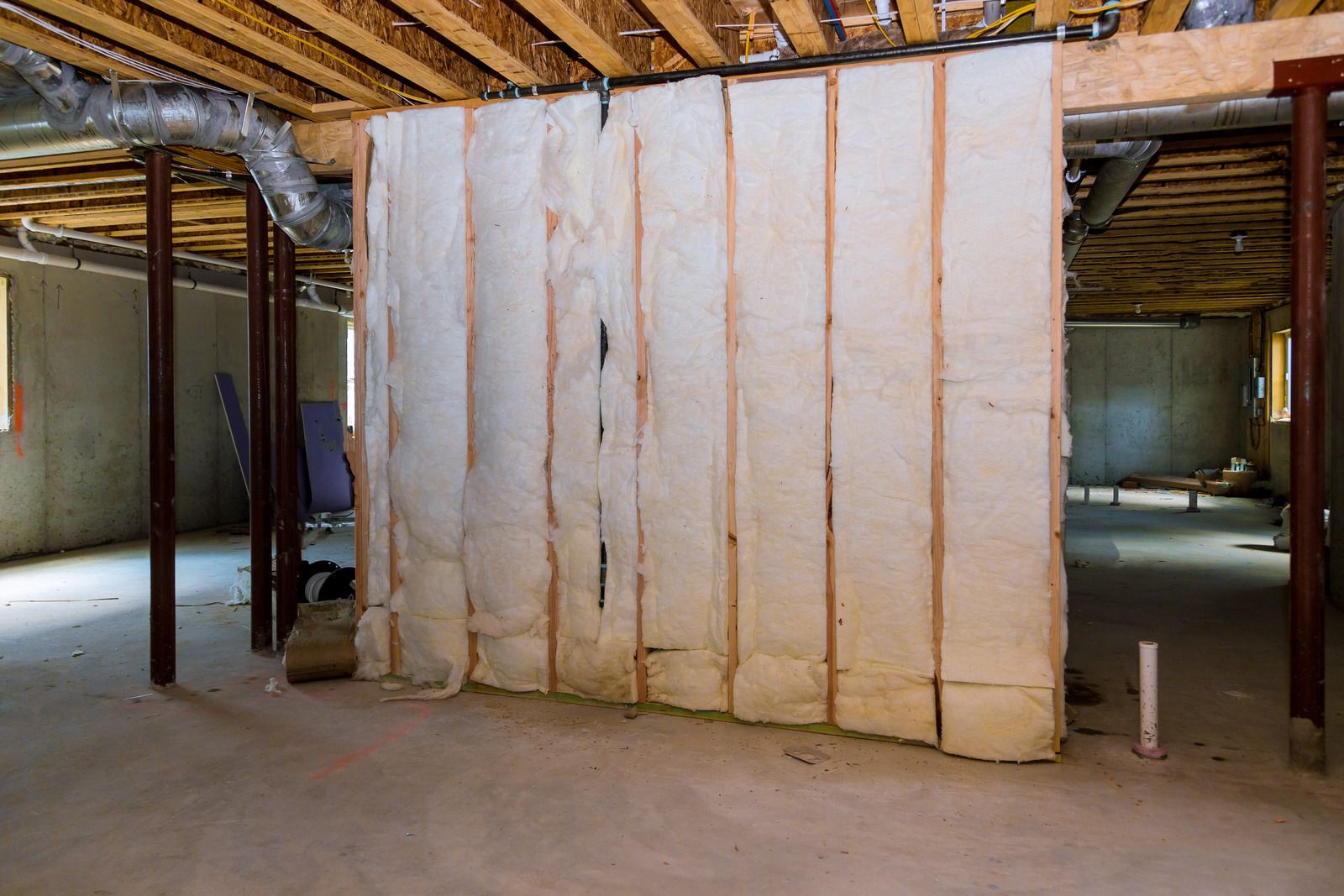
The U.S. Department of Energy estimates that air leakage accounts for 25% to 40% of the energy used to heat and cool a typical home, and those leaks rarely sit in just one room. TrueFoam LLC provides whole house spray foam insulation in Pittsburgh, Pennsylvania, sealing attics, wall cavities, basements, and garage ceilings as one coordinated project instead of scattered repairs. We map where your house loses air from top to bottom, then plan foam placement and depth for each area. Our locally owned crew uses American-made materials and schedules the work to keep disruption to your household as low as possible.
Construction workers pouring concrete at a building site, with a truck in the background
Wet concrete pouring from a truck chute onto a construction site, forming a gravelly slab surface

Fixing One Room at a Time Leaves the Rest of the Leaks Open.

Air moves through a house as a connected system, not room by room. Warm air escapes through the attic, which pulls cold air in through the basement, walls, and every gap in between. Insulating only the attic or only the basement helps, but the remaining leaks keep feeding drafts, uneven rooms, and higher bills season after season.

Treating the whole envelope at once stops that cycle, closes the connections between levels, and lets every part of the house finally work together as one.

  • Seals the house top to bottom
  • One crew and one schedule
  • Even comfort on every floor
  • Fewer drafts in every room
Black horizontal line on a white background
Whole House Spray Foam Insulation

One Project, One Sealed House, One Steady Thermostat.

When the attic, walls, basement, and garage ceiling are all sealed, the house stops fighting itself. Heat stays where the furnace puts it, bedrooms upstairs match the living room, and humid summer air has fewer places to sneak in. Homeowners who choose whole house spray foam often notice the furnace running shorter cycles, quieter rooms, and a home that feels comfortable without constant thermostat adjustments throughout the day and night.

Many Pittsburgh Homes Have Been Insulated Piece by Piece.

Decades of additions, remodels, and partial upgrades leave many local homes with a patchwork of insulation: a newer attic over old walls, a finished basement beside an untouched garage. Those mismatched areas create hidden gaps where air slips through. A whole house approach finds and closes those gaps in one plan, giving older homes across the region the consistent, sealed envelope newer construction takes for granted.

Every House is a System, and We Insulate It Like One.

Seeing how an attic, wall, and basement affect one another is a skill built over time, and our owner has built it across 45+ years of insulation work. That perspective helps our crew decide which areas to treat first, where leaks connect, and how to keep the house livable during the project. The result is a plan that makes sense for your whole home. Ready to see your house as one connected system?

What Whole House Foam Delivers

Black-and-white icon of a hand operating a conveyor belt over rows of logs or bottles
Superior Air Sealing Capabilities
Foam applied throughout the house closes the connected leaks between attic, walls, and basement, creating one continuous air barrier instead of isolated patches that still leave drafts and cold corners behind.
Black-and-white icon of a saw cutting through stacked bricks and a woven pattern above them
Reduced Energy Costs
With the entire envelope sealed, your heating and cooling equipment runs shorter cycles and uses less fuel, bringing down utility bills in every season rather than just during the coldest months of the year.
A black tire-track icon above a row of tires and brick pattern, suggesting off-road or tread-related signage
Improved Indoor Air Quality
Fewer leaks mean less dust, pollen, and outdoor pollution drifting in through wall cavities and basement gaps, creating a cleaner, fresher indoor environment for everyone living in the home, including pets.
Black-and-white icon of a chainsaw cutting into a stacked pile of logs or bricks
Enhanced Moisture Control
Sealing the whole house limits humid air reaching cold surfaces in attics, walls, and basements, reducing the condensation that leads to mold, mildew, musty odors, and hidden wood damage over time.
Black safety icon with a drill above a brick wall and round hazard symbol.
Noise Reduction
Foam in walls, ceilings, and floors dampens outside noise and sound between levels, helping bedrooms, offices, and family rooms feel calmer, quieter, and more private for the whole household.
Black and white tire tread with a small vehicle icon above it
Long-Lasting Performance
Cured spray foam does not sag, settle, or shift over time. A whole house application keeps delivering comfort and savings for decades without the top-offs that loose insulation often needs.
Black horizontal rounded line on a white background

our services

Our Whole House Insulation Work
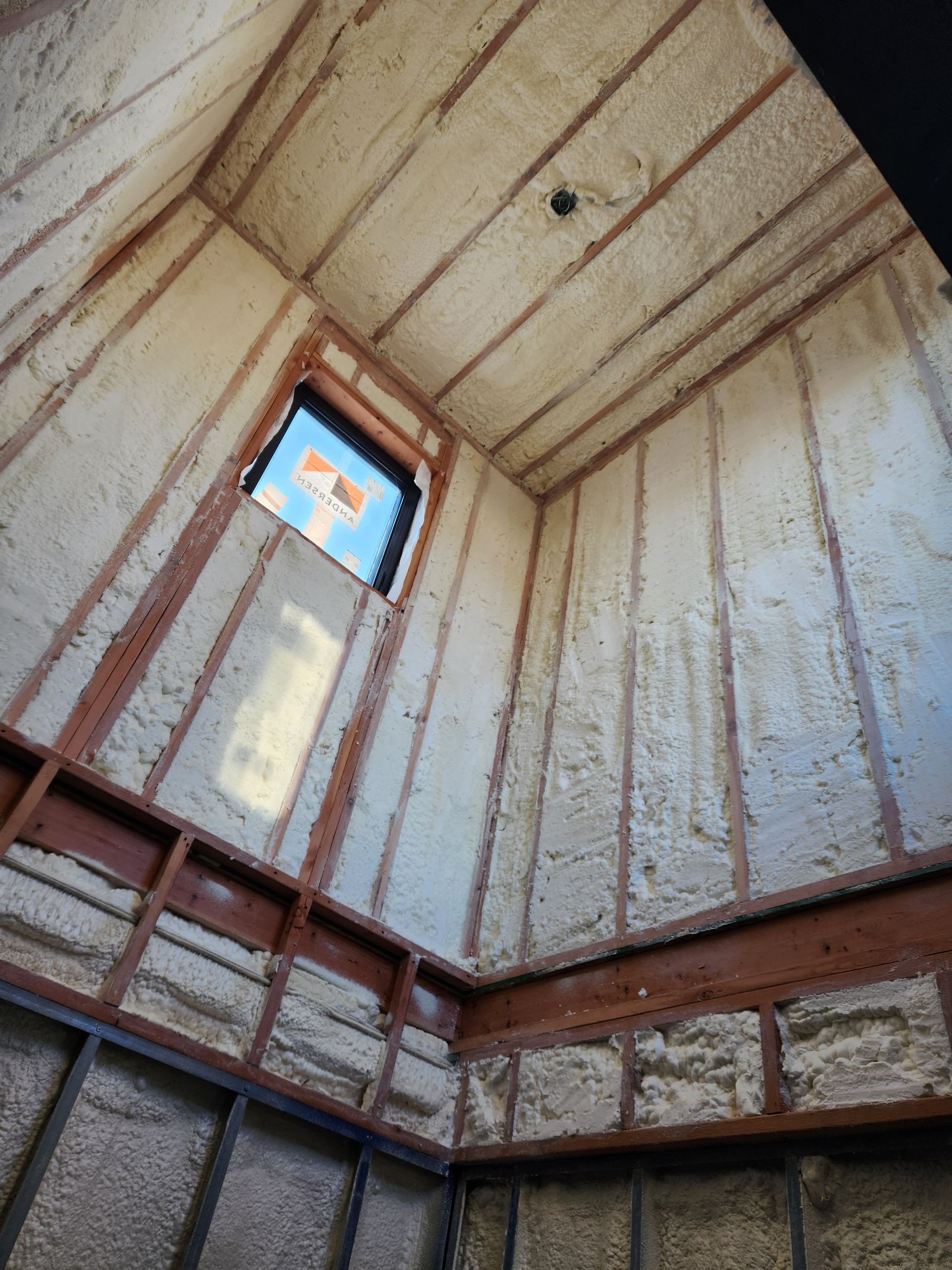
A whole house project combines several areas into one coordinated plan. We sequence the work so each space is sealed properly and the connections between them are closed as well.
Template premium 99
Top Level

Attic Insulation


The attic floor or roof deck gets sealed and insulated first, stopping the largest single source of heat loss and setting the foundation for the rest of the home's envelope.
Template premium 99
Wall Cavities

Wall Cavity Insulation


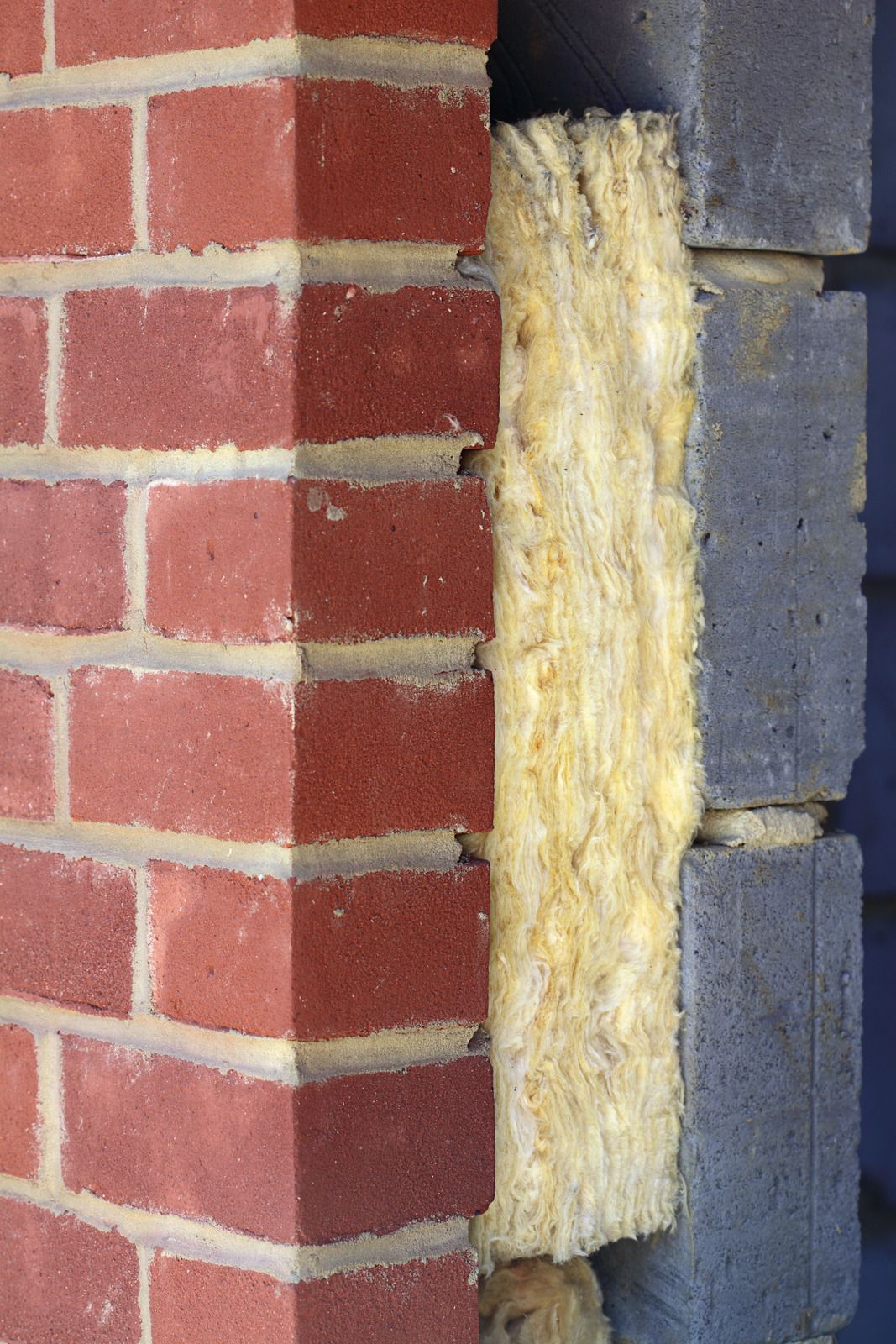
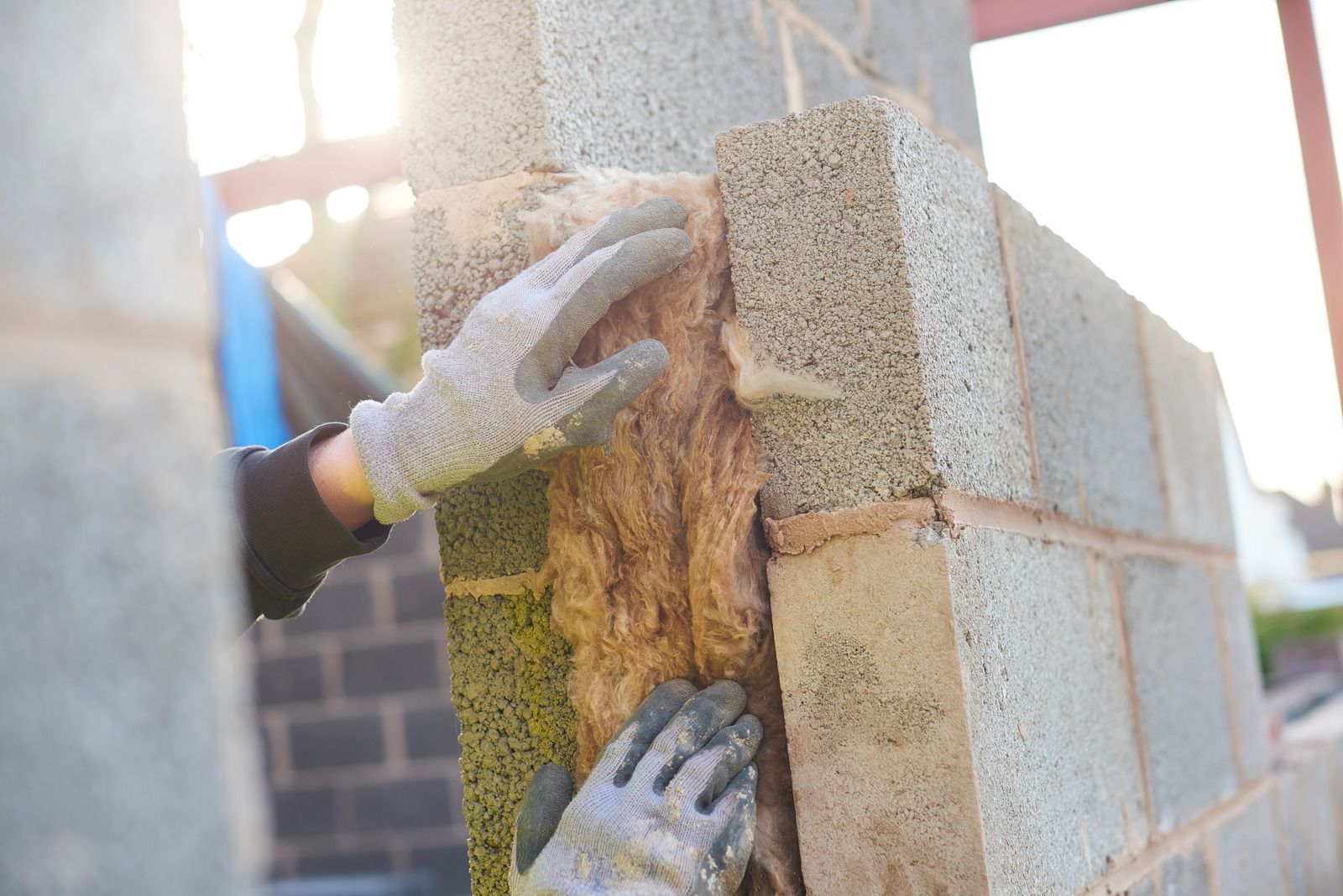
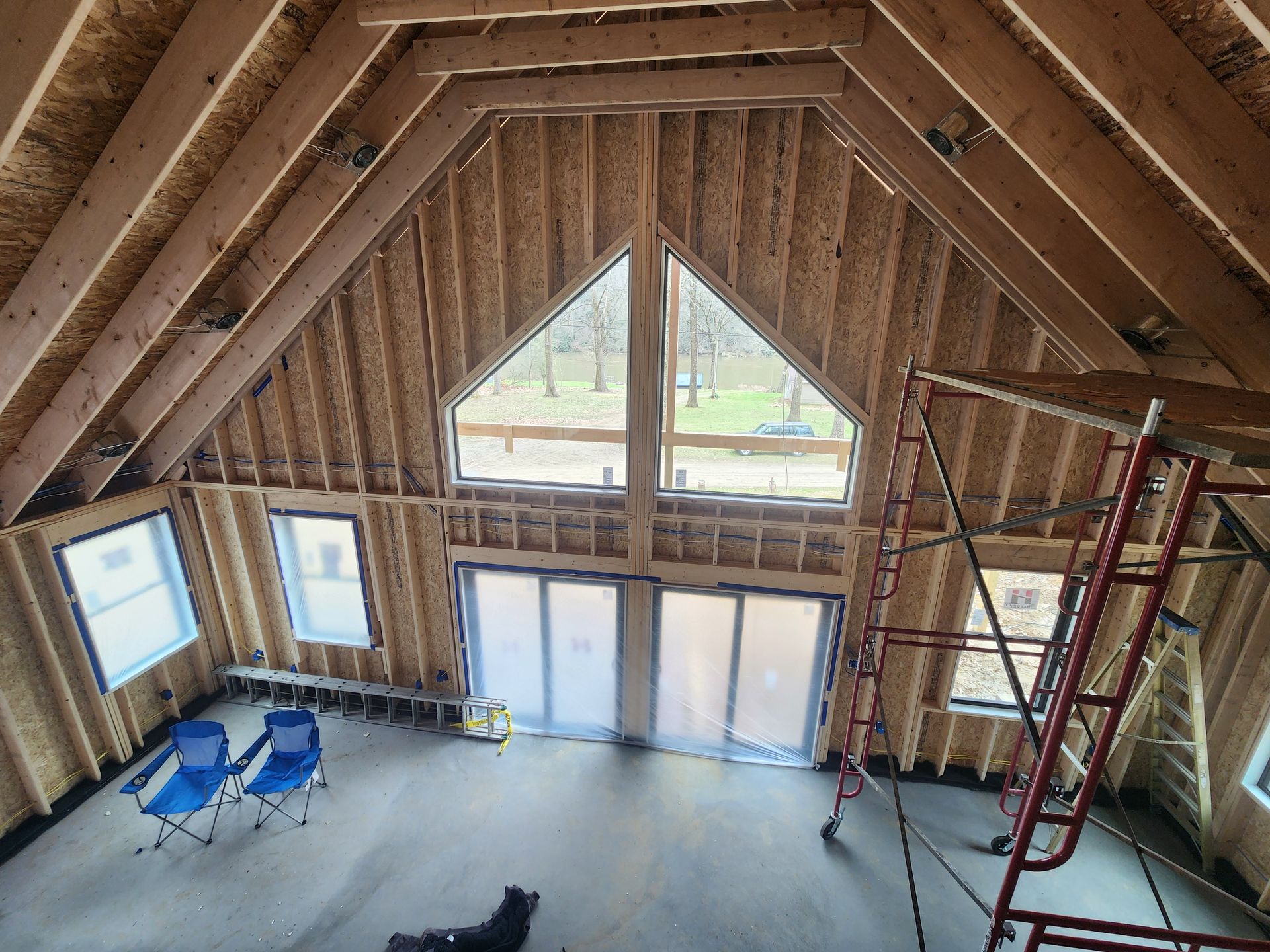
Exterior walls receive foam through open framing or small entry holes, closing leaks around outlets, windows, and plates so every room holds heat as well as the next one.
Template premium 99
Foundation Level

Basement Insulation


Foundation walls get sealed and insulated to stop cold masonry from chilling the floors above and to control the damp air that often drifts up from the lower level.
Template premium 99
Garage Ceilings

Garage Ceiling Insulation


Rooms built over garages lose heat through the floor. Foam in the garage ceiling protects those bedrooms and bonus rooms, blocks garage fumes, and closes one of the most common gaps in the envelope.
Template premium 99
Air Barrier

Whole-Home Air Sealing


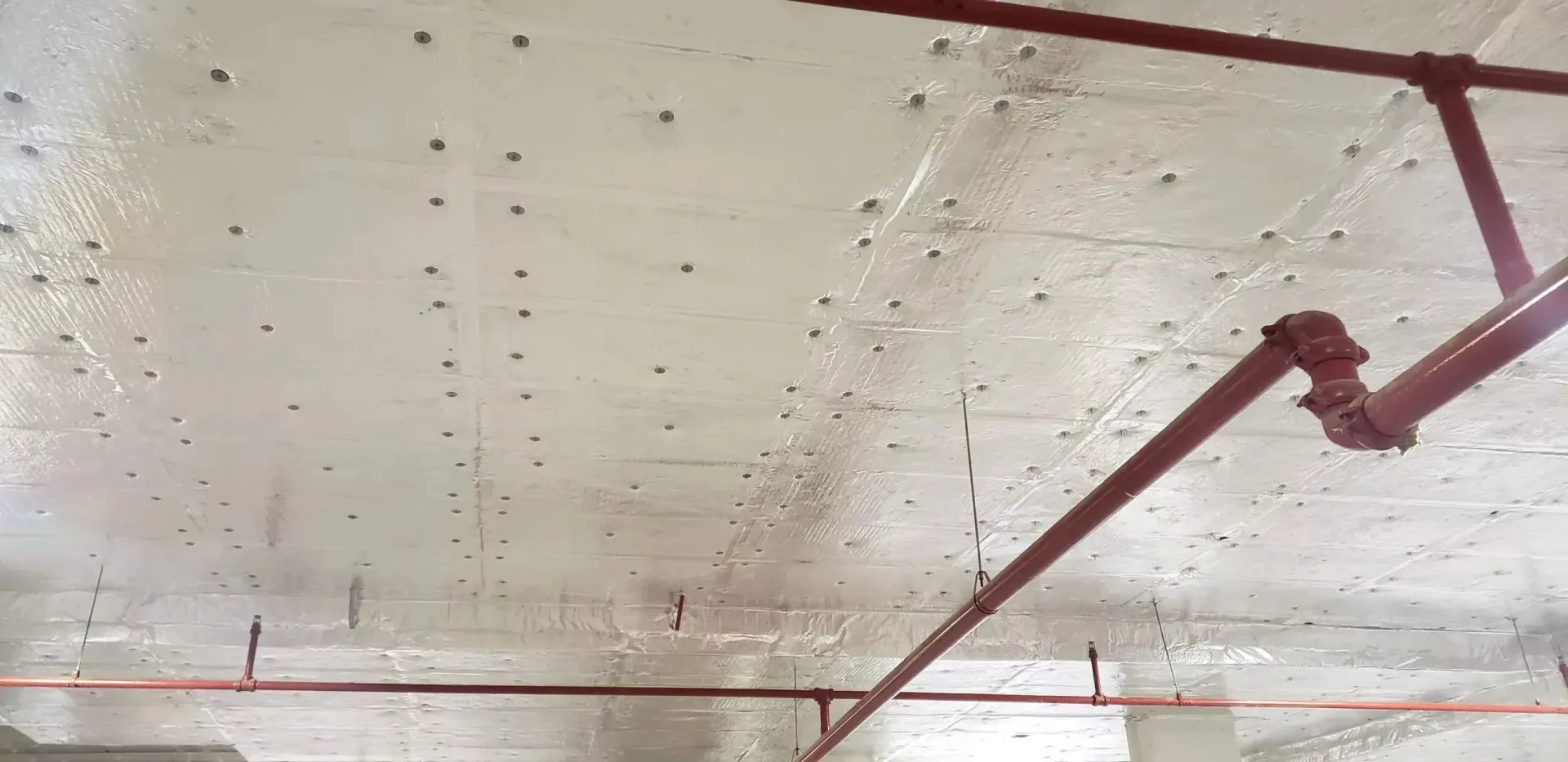
Plumbing chases, chimney surrounds, recessed lights, and duct penetrations connect different parts of the house. We seal those hidden pathways so air cannot travel freely between levels and escape through the roof.
Template premium 99
Bump-Outs

Cantilevered Floor Insulation


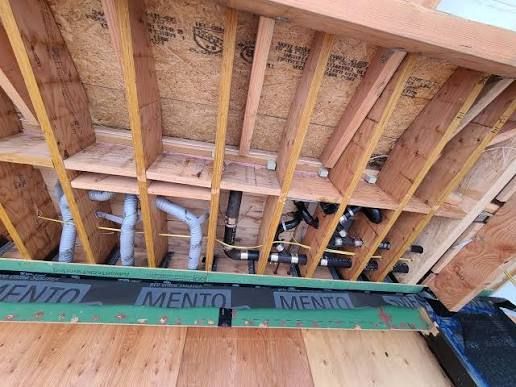
Bay windows, overhangs, and bump-outs often hang over open air with little insulation below. Foam in those floor cavities warms the rooms above and stops drafts at the edges.
Black horizontal rounded line on a white background

THE WORD ON OUR WORK

What Our Clients Say.

Homeowners who sealed the entire house often describe it as feeling like a new home: no cold corners, a quieter furnace, and bedrooms that finally match the rest. Reviews also note how our crew kept the household running during the project. Read their stories and add yours afterward.
    Black horizontal line on a white background
    FAQ

    Frequently Asked Questions.

    A whole house project is a larger commitment, and homeowners rightly want to understand every part of it before starting. These answers cover the questions we hear most often.

      What are the main advantages of whole house spray foam insulation?

      Whole house spray foam provides superior air sealing, improved energy efficiency, enhanced moisture control, and noise reduction. Sealing every major area at once also removes the gaps left when insulation is added piece by piece.

      How long does spray foam insulation typically last?

      When properly installed, spray foam can last for the lifetime of your home. It does not sag or settle, so the attic, walls, and basement keep their full performance for decades.

      Is spray foam insulation safe for residential use?

      Yes, when professionals install it correctly. TrueFoam LLC treats homes throughout Pittsburgh, Pennsylvania, and has families stay out during application and the manufacturer's re-entry period. Once cured, the foam is inert.

      Is whole house insulation better than doing one area at a time?

      Usually, yes. Leaks connect from basement to attic, so sealing everything together closes the pathways partial projects leave open. It also consolidates prep, cleanup, and scheduling into a single effort.

      Does our family need to move out during the project?

      Not for the whole project. We often work area by area, and occupants stay out of each space during spraying and the re-entry period. We plan the sequence around your household's routine.

      Can a tighter house allow smaller heating and cooling equipment?

      Often, yes. A sealed, insulated home has a lower heating and cooling load, so when equipment needs replacement, your HVAC contractor may be able to size it smaller. A load calculation confirms the right size.

      Should we have a blower door test done?

      It can be helpful. A blower door test measures how leaky the house is before and after the work, giving you a clear picture of improvement. We can discuss testing options during your estimate.

      Why choose TrueFoam LLC for whole house spray foam insulation?

      TrueFoam LLC is locally owned in Pittsburgh, Pennsylvania, and our owner brings 45+ years of experience. We coordinate large projects carefully, use American-made materials, offer free quotes, and leave each area clean.

      Short black horizontal line on a white background
      How We Work

      From Patchwork Fixes to One Sealed Envelope, Here is How.

      STEP 01

      We Map the House
      We inspect the attic, walls, basement, garage, and every connection between them. We note existing insulation, air leak paths, moisture signs, and the specific rooms where your family's comfort complaints usually start.

      STEP 02

      We Sequence the Work
      Based on what we find, we build a plan that orders each area logically, usually starting at the attic. Your quote explains the scope, the foam for each space, and the full project timeline.

      STEP 03

      We Prepare Each Area
      Before spraying any zone, we cover floors and furnishings, protect equipment, and set up ventilation. We prepare one area at a time so the rest of your home stays usable.

      STEP 04

      We Seal the Connections
      Chases, penetrations, and transitions between levels get sealed so air cannot travel from basement to attic. Closing those links is what makes a whole house project outperform a series of partial upgrades done years apart.

      STEP 05

      We Insulate Zone by Zone
      Foam goes into each area to its planned depth, from the roof deck or attic floor to the walls, basement, and garage ceiling, with coverage checked before we move to the next zone.

      STEP 06

      We Review the Whole Job
      After a final walkthrough of every area, we remove coverings, clean up, and review the finished envelope with you. You see what was done and how each space now fits together.