Black horizontal line near the left side on a white background
Blown-In Insulation Removal

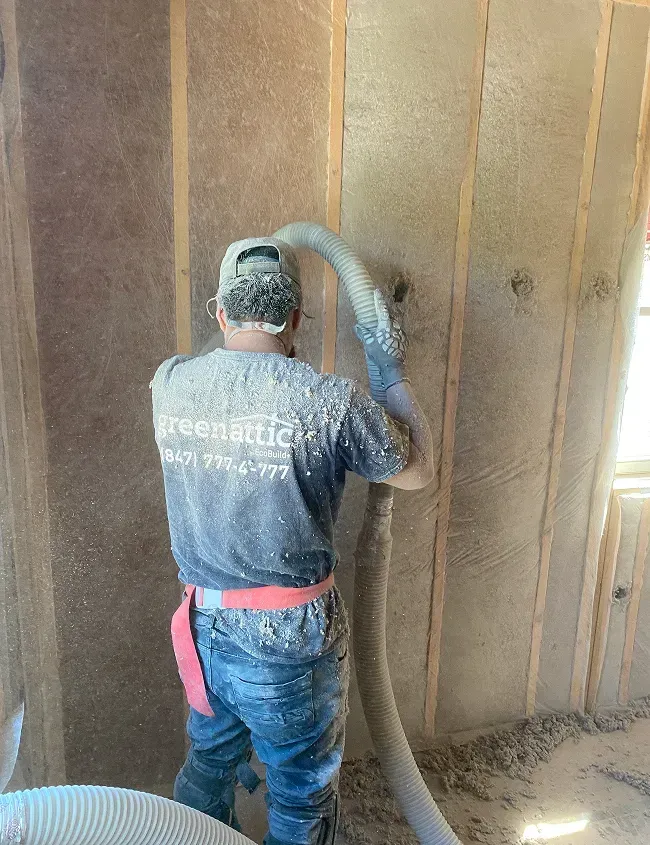
Loose-fill cellulose is commonly cited to settle by as much as 20% of its installed depth over time, and once it gets wet from roof leaks or condensation, it clumps, loses R-value, and holds moisture against the framing. TrueFoam LLC provides blown-in insulation removal in Pittsburgh, Pennsylvania, extracting old cellulose and fiberglass from residential attics, wall cavities, and commercial buildings throughout the region. Our crew uses specialized vacuum equipment, seals off work areas, and disposes of the material properly and responsibly. Once the space is clear, it is ready for inspection, repairs, and high-performance insulation installed on clean, dry surfaces.
Construction workers pouring concrete at a building site, with a truck in the background
Wet concrete pouring from a truck chute onto a construction site, forming a gravelly slab surface

Old Insulation Can Hide More than You Think.

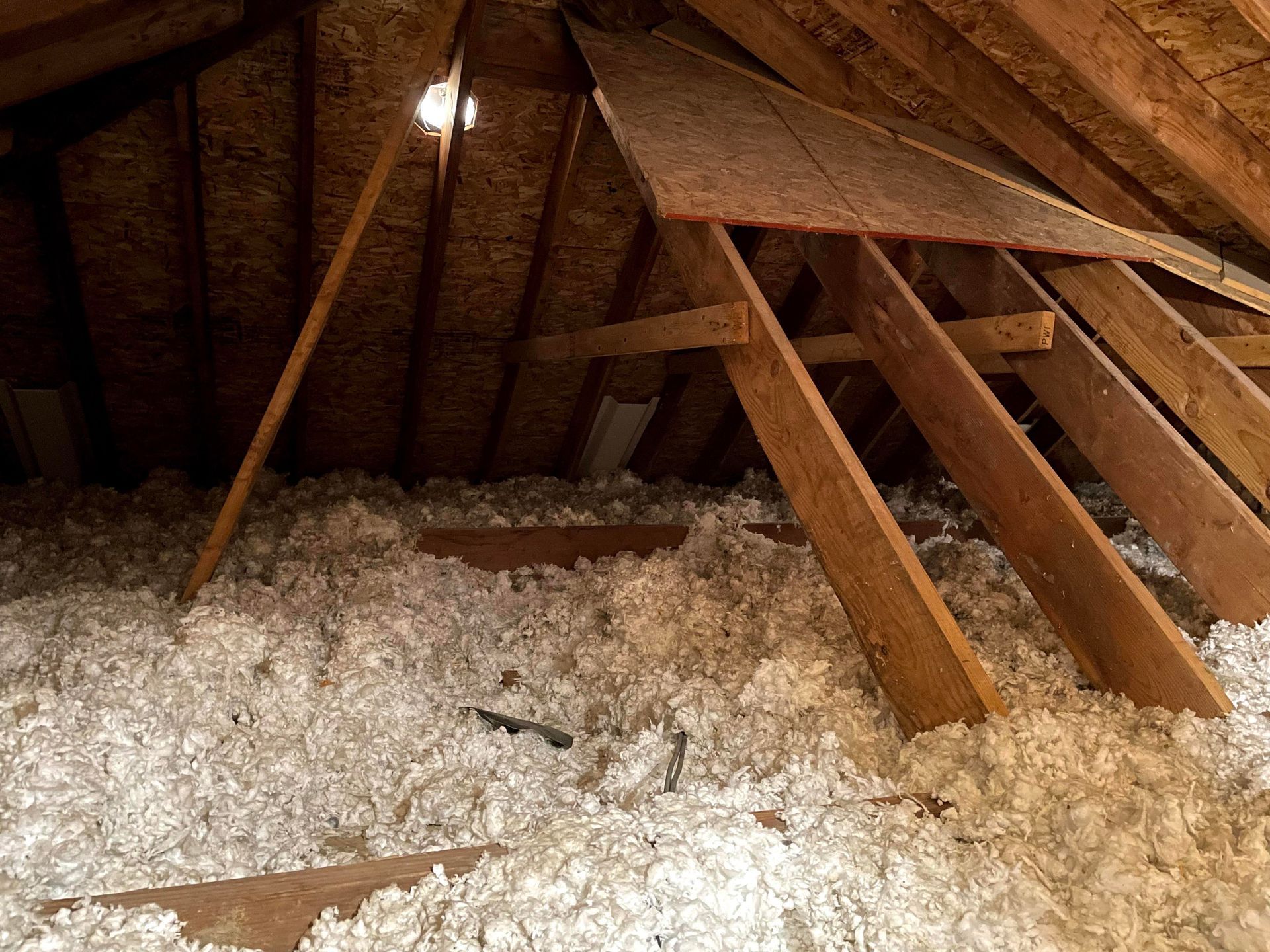
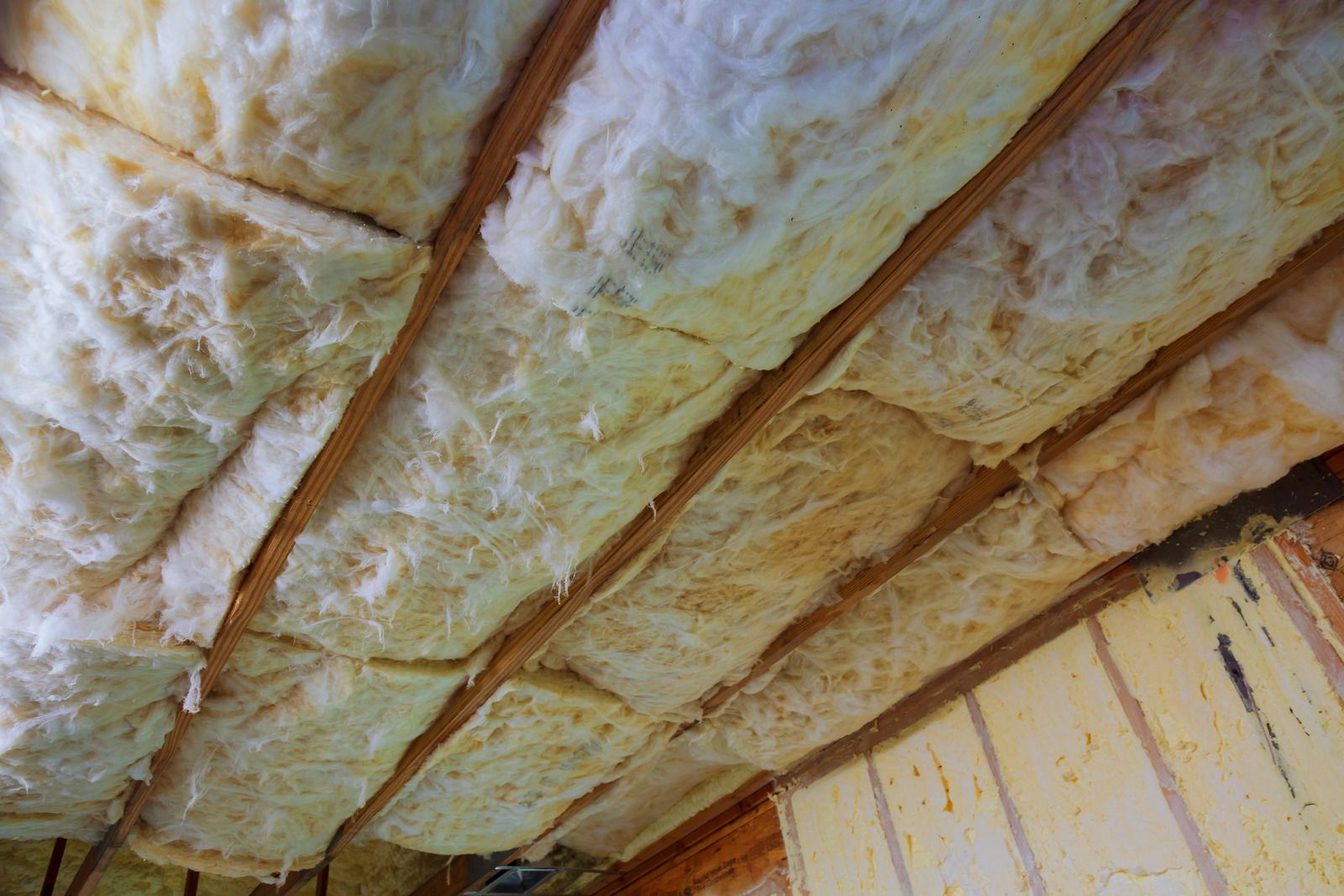
Years of settling, roof leaks, and animal activity can turn attic insulation into a dusty, compressed mat that does little to stop heat. Rodent droppings, nesting material, and mold may sit hidden underneath, affecting the air that drifts into your home and making any new insulation less effective if it goes on top.

Removing that material gives you a clean start, fresher air, and a clear view of what the attic really needs before anything new is installed in its place.

  • Clears settled and damaged fill
  • Removes pest contamination
  • Exposes leaks for sealing
  • Prepares for new insulation
Black horizontal line on a white background
Blown-In Insulation Removal

Start Your Insulation Upgrade on a Clean Slate.

New insulation performs best when it goes onto clean, dry, sealed surfaces. Leaving damaged cellulose or fiberglass in place can trap moisture, hide air leaks, and prevent spray foam from bonding where it needs to. Removal lets our team inspect framing and sheathing, seal the gaps that feed drafts, and install new insulation correctly. It is often the step that makes the difference between a modest improvement and a truly comfortable, efficient home.

Many Pittsburgh Attics Hold Decades of Layered Insulation.

Older homes across the region often have several generations of insulation stacked on top of one another, from early loose fill to fiberglass added during later upgrades. Some contain material damaged by past roof leaks or occupied by squirrels and mice over the years. We evaluate what is in your attic, how much of it there is, and its condition before recommending full or partial removal.

We Leave Attics Cleaner than We Found Them, Every Time.

Insulation removal is dusty work, and doing it well depends on containment and care. Our owner has spent 45+ years around attics of every kind, and our crew follows proven steps to keep debris out of your living space, protect finished areas, and haul everything away when we finish. You should notice the work only in the results. Wondering what is hiding under your attic insulation?

What Insulation Removal Delivers

Black-and-white icon of a hand operating a conveyor belt over rows of logs or bottles
Removal of Outdated Insulation
Settled, compressed, or deteriorating insulation that no longer slows heat comes out completely, clearing the way for materials that actually perform the way your home needs them to.
Black-and-white icon of a saw cutting through stacked bricks and a woven pattern above them
Moisture and Mold Cleanup
Wet or moldy insulation can keep moisture pressed against framing for years. Removing it helps the attic dry out and lets any hidden damage be identified and addressed properly.
A black tire-track icon above a row of tires and brick pattern, suggesting off-road or tread-related signage
Pest Contamination Removal
Droppings, nests, and odors left by rodents and other pests leave with the old insulation, helping clean up the attic and reduce the smells that can drift into living spaces below.
Black-and-white icon of a chainsaw cutting into a stacked pile of logs or bricks
Room for Efficient Upgrades
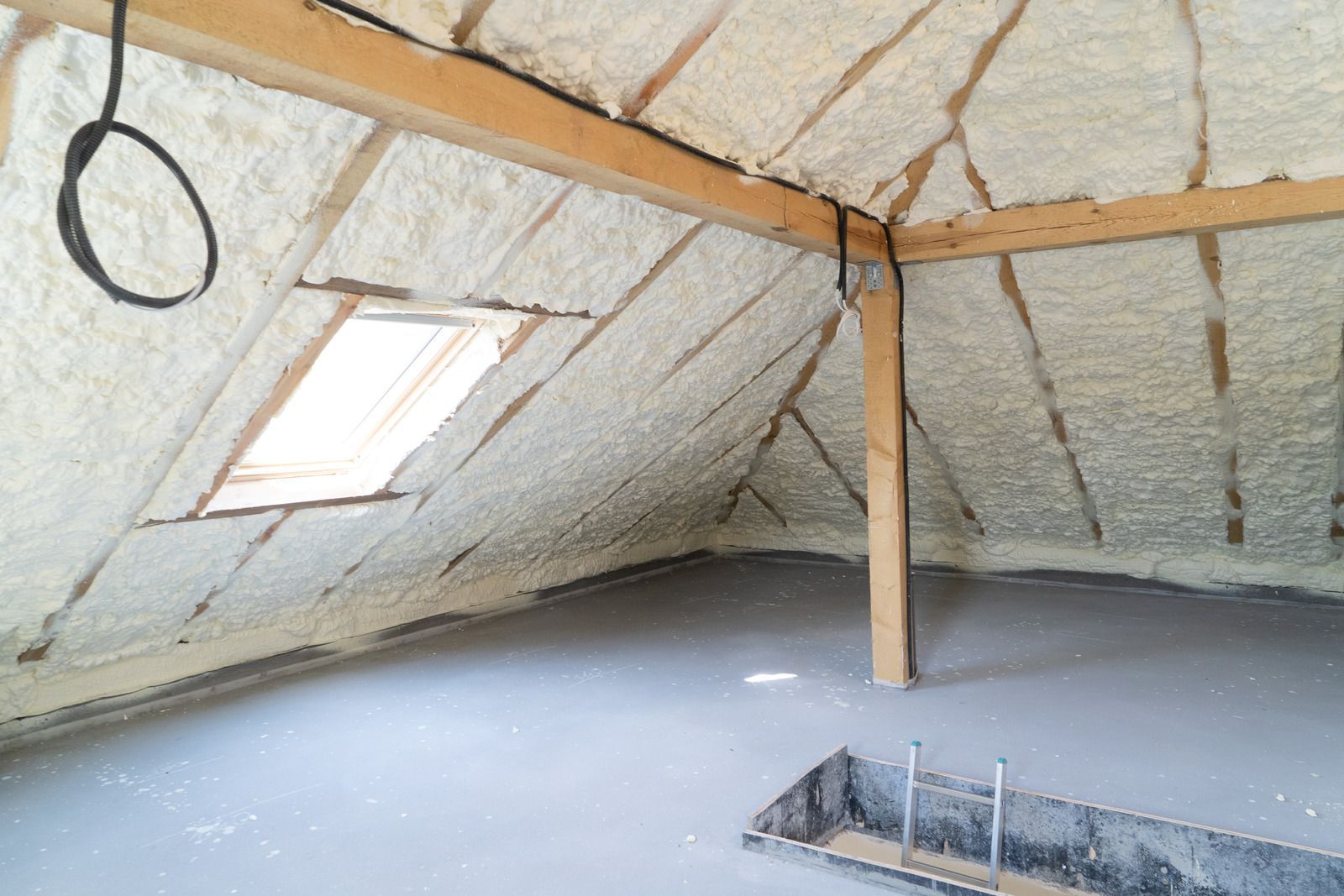
A clear attic lets new spray foam bond directly to clean framing and sheathing, creating the airtight, high-performance layer that old loose fill simply cannot provide on its own.
Black safety icon with a drill above a brick wall and round hazard symbol.
Clean Slate for Renovations
Remodels, roof repairs, and attic conversions go faster and cleaner when old insulation is removed first, giving contractors safe, open access to the framing, wiring, and ductwork they need.
Black and white tire tread with a small vehicle icon above it
Better Indoor Air Quality
Removing dusty, contaminated insulation reduces the particles and odors that can reach your rooms through ceiling gaps, fixtures, and attic access points, leaving noticeably fresher air inside for your household.
Black horizontal rounded line on a white background

our services

Our Insulation Removal Work
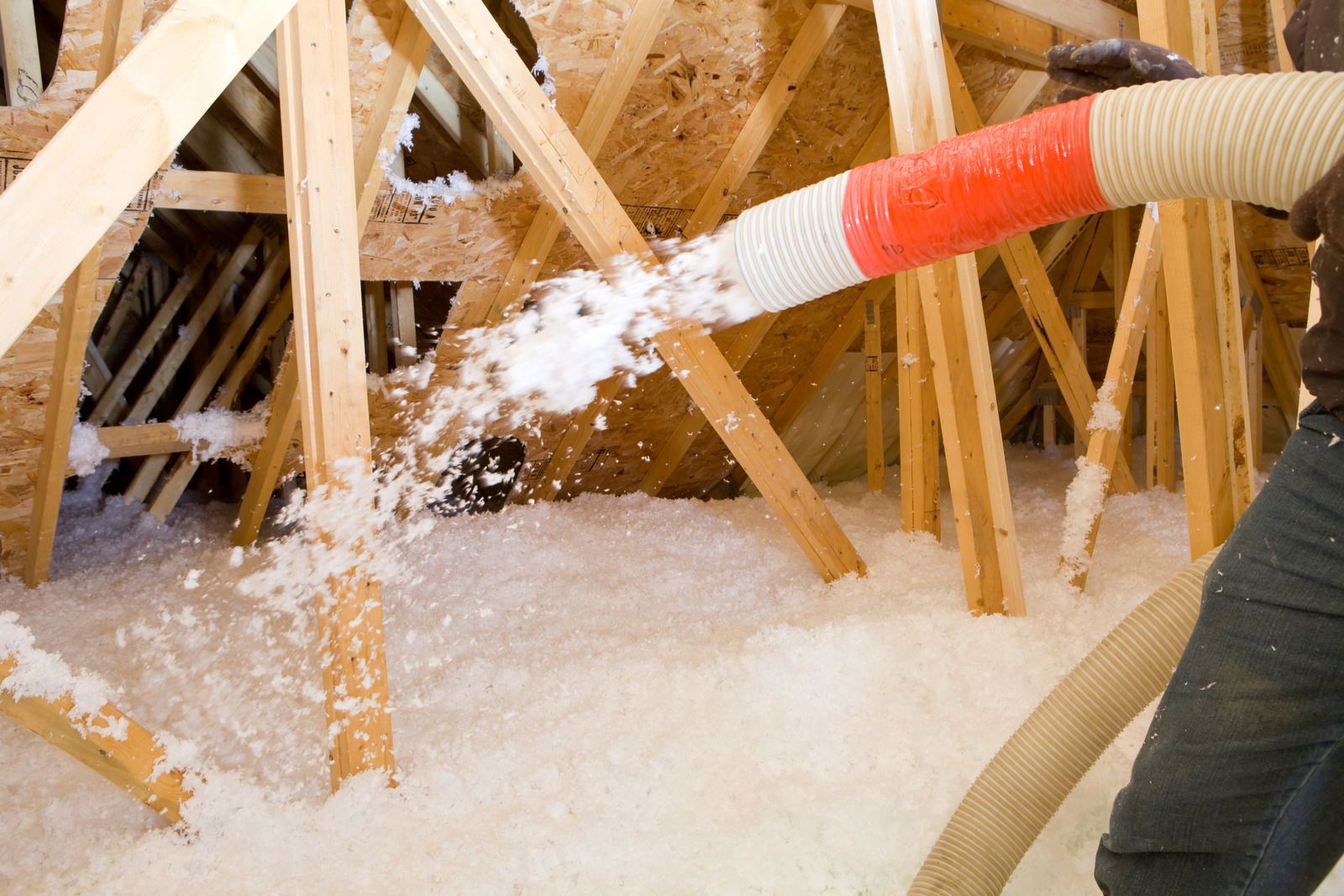
Removal projects range from a single attic to entire commercial buildings. We match equipment, containment, and disposal to the material, the amount, and the space it needs to leave.
Template premium 99
Attics

Attic Insulation Removal


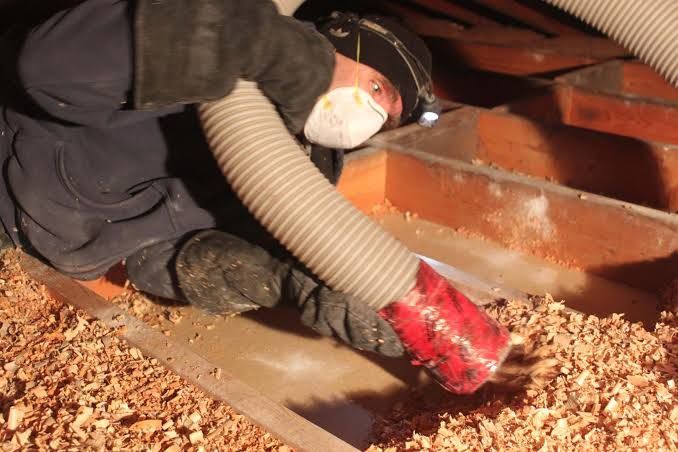
Loose fill, batts, and mixed layers come out of attic floors using high-powered vacuum equipment, leaving framing and drywall exposed and ready for inspection, air sealing, and new insulation.
Template premium 99
Wall Cavities

Wall Insulation Extraction


When walls are opened during remodeling or repairs, old or damaged insulation can be extracted from the cavities so they can be inspected, dried, repaired if needed, and properly insulated again.
Template premium 99
Cellulose

Cellulose Insulation Removal


Cellulose can settle, absorb moisture, and harbor pests over time. We vacuum it out cleanly, containing the fine dust that makes this material messy to handle without the right equipment.
Template premium 99
Fiberglass

Fiberglass Insulation Removal


Loose fiberglass and old batts that have compressed, gotten wet, or been contaminated are removed carefully to limit irritating fibers spreading through the attic and into the home.
Template premium 99
Commercial

Commercial Building Insulation Removal

Offices, retail spaces, and warehouses with outdated or damaged insulation receive large-scale removal planned around daily building operations, followed by proper disposal of all removed material and a clean work area.
Template premium 99
Residential

Residential Insulation Removal


Homes of every age and size get removal tailored to the attic's access, the type of insulation, and any contamination we find, with living spaces protected throughout the process.
Black horizontal rounded line on a white background

THE WORD ON OUR WORK

What Our Clients Say.

Homeowners often tell us they were surprised by how clean the house stayed during removal and how much better the attic smelled afterward. Our reviews also mention clear explanations of what we found. See what past customers wrote and add your own review after your project.
    Black horizontal line on a white background
    FAQ

    Frequently Asked Questions.

    Insulation removal raises practical questions about mess, safety, contamination, and what comes next for the attic. These answers cover what homeowners and building owners most often ask before we start.

      How long does the blown-in insulation removal process take?

      For an average-sized home, removal typically takes one to two days. Larger or commercial projects may take longer, and TrueFoam LLC provides a more accurate timeline for Pittsburgh, Pennsylvania, properties after assessing the space.

      Is it necessary to remove old blown-in insulation before installing new insulation?

      Often, yes, especially if the old material is damaged, contaminated, or no longer effective. Removal allows a thorough inspection, addresses underlying issues, and lets the new insulation be installed properly.

      What safety precautions are taken during removal?

      Our team uses respirators, gloves, and protective clothing, along with specialized vacuum equipment that limits dust. We seal off the work area and dispose of removed insulation in accordance with local regulations.

      What if my attic has vermiculite insulation?

      Vermiculite, a pebble-like material, may contain asbestos. The EPA advises leaving it undisturbed until a qualified professional tests it. If we see possible vermiculite, we pause and recommend testing first.

      Can you clean up after rodents in the attic?

      Removing insulation takes out the droppings and nesting material mixed into it. Active infestations should be handled by pest control first, and entry points should be sealed so animals do not return.

      Will removal make a mess inside our home?

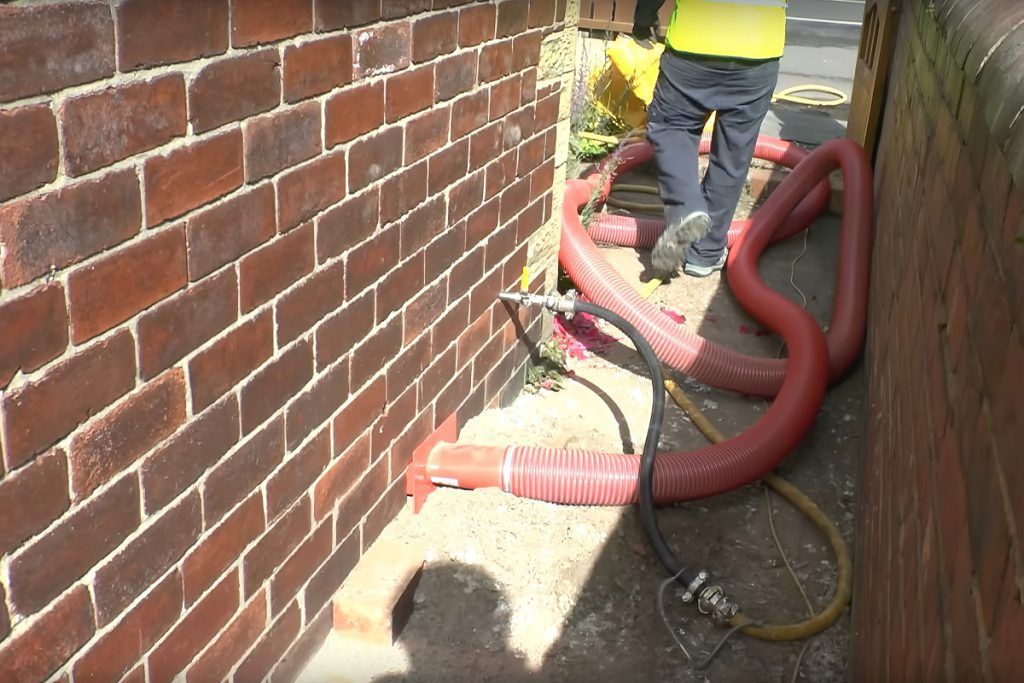
      It should not. The vacuum hose runs from the attic to equipment outside, and we protect access points and finished areas. Our goal is a clean house and an empty attic.

      Can new insulation be installed right after removal?

      In many cases, yes. Once the attic is clear, we inspect, seal air leaks, and install new spray foam, often as part of the same project so you schedule only once.

      Why choose TrueFoam LLC for insulation removal?

      Property owners in Pittsburgh, Pennsylvania, choose TrueFoam LLC for our owner's 45+ years of experience, careful containment, proper disposal, competitive pricing, and the ability to install new insulation afterward.

      Short black horizontal line on a white background
      How We Work

      From Dirty Old Fill to a Clean Attic, Here is How.

      STEP 01

      We Assess What is There
      We inspect the attic or space to identify the insulation type, depth, and condition, and we look for moisture damage, pest activity, and any material, such as vermiculite, that needs testing first.

      STEP 02

      We Explain the Plan
      You get a clear recommendation covering full or partial removal, disposal, and any follow-up work. Our quote explains the scope, the timeline, and what we will install afterward if you choose.

      STEP 03

      We Contain the Work Area
      Access points, hallways, and finished rooms are protected, and the work area is sealed off. Our crew wears protective gear, and vacuum equipment is set up outside to keep dust out of your home.

      STEP 04

      We Vacuum It Out
      High-powered vacuums pull the old insulation from the attic floor, cavities, and corners into collection bags, removing settled fill, contaminated material, and debris without spreading it through the house.

      STEP 05

      We Inspect the Bare Space
      With the insulation gone, we examine framing, sheathing, and the ceiling below for damage, leaks, and gaps. We point out anything that should be repaired or sealed before new insulation goes in.

      STEP 06

      We Haul It Away
      All removed material is bagged and disposed of properly, and the work area is cleaned. We walk you through the empty attic and discuss the next step toward a better-insulated home.