Black horizontal line near the left side on a white background
Garage Insulation

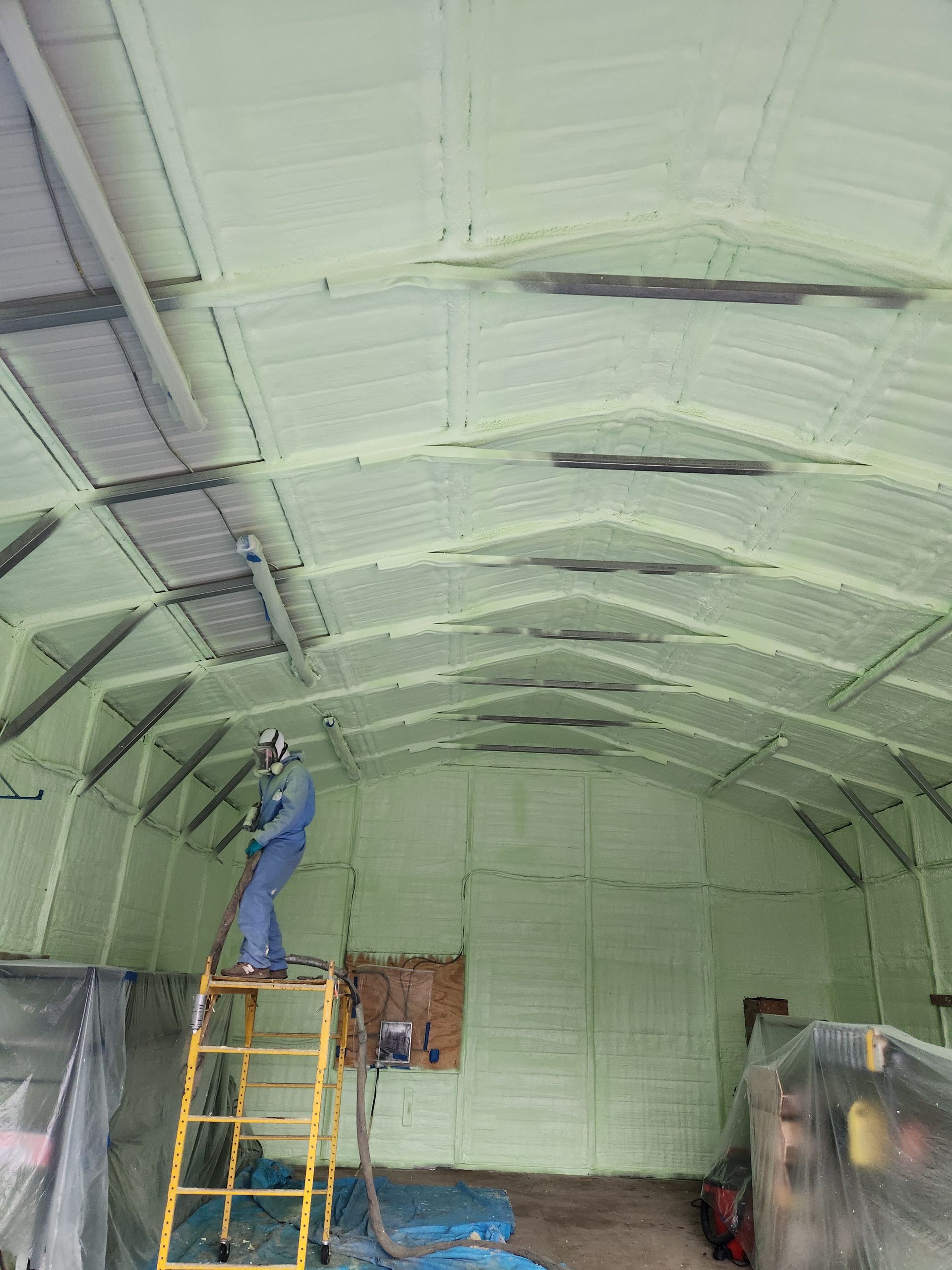
Building codes treat an attached garage as a separate zone from the home, requiring at least half-inch gypsum board on the garage side of shared walls, yet most garages still get little or no insulation. TrueFoam LLC provides garage insulation in Pittsburgh, Pennsylvania, applying spray foam to garage walls, ceilings, and doors so the space holds its temperature and stops pulling cold into nearby rooms. We look at how the garage connects to the house, what sits above it, and how you use the space. Our locally owned team relies on American-made materials and careful, tidy work from the first walkthrough on.
Construction workers pouring concrete at a building site, with a truck in the background
Wet concrete pouring from a truck chute onto a construction site, forming a gravelly slab surface

The Room Next to Your Garage Shouldn't Feel Like a Freezer.

An uninsulated garage sits at nearly the outdoor temperature most of the winter. Every kitchen, mudroom, or bedroom that shares a wall or floor with it loses heat through that surface, and drafts sneak in around the entry door every time the big door opens. Upstairs bedrooms built over garages often feel the coldest of all, with floors that stay chilly into spring.

Insulating the garage protects those rooms, keeps stored belongings safer, and makes the garage itself a more comfortable and genuinely usable part of your home in every season.

  • Warmer rooms beside and above
  • Steadier garage temperatures
  • Safer storage for tools and paint
  • Quieter work and hobby space
Black horizontal line on a white background
Garage Insulation

A Garage Can Be a Workshop, Gym, or Studio, Not Just Parking.

Many homeowners want more from their garage than a place to park. A sealed, insulated space stays closer to a comfortable temperature, so woodworking, workouts, and weekend projects can continue through winter and summer. Spray foam fills the irregular framing, rafters, and door panels that batts struggle to cover, and it keeps outdoor noise and fumes from moving into the house. The result is a garage that feels like a real room.

Pittsburgh Weather Tests Every Garage Door.

Freezing mornings, heavy snow, and humid summer afternoons all push against garage doors and walls in this region. Unprotected garages swing through wide temperature ranges, which can stress stored paint, batteries, and liquids and make vehicles harder to start on bitter days. We plan garage insulation around exposure, whether the garage is attached or detached, and whether heat or cooling will ever be added to the space.

We Treat the Garage Like Part of the House, Because It is.

Heat moving through a shared wall or ceiling does not care that the room beyond it holds cars. Our owner learned that lesson early in a career that now spans 45+ years, and our crew insulates garages with the same attention we give living spaces. That means sealing penetrations, protecting finishes, and explaining any door adjustments ahead of time. Could your garage be doing more for your home?

What an Insulated Garage Delivers

Black-and-white icon of a hand operating a conveyor belt over rows of logs or bottles
Improved Temperature Control
Insulated walls, ceilings, and doors keep the garage from matching the outdoor extremes, so it stays warmer in winter, cooler in summer, and far more useful throughout the entire year.
Black-and-white icon of a saw cutting through stacked bricks and a woven pattern above them
Reduced Energy Costs
Rooms that share walls or floors with the garage lose less heat, which lightens the load on your furnace and helps lower monthly bills without changing how you use the house.
A black tire-track icon above a row of tires and brick pattern, suggesting off-road or tread-related signage
Protection for Vehicles and Stored Items
Milder temperatures help protect car batteries, paint, tools, sporting gear, and pantry overflow from freezing, overheating, and the condensation that forms when temperatures swing quickly from day to night.
Black-and-white icon of a chainsaw cutting into a stacked pile of logs or bricks
Noise Reduction
Foam dampens the sounds of garage door openers, power tools, and street traffic, keeping bedrooms, nurseries, and living areas near the garage noticeably quieter for everyone inside the home.
Black safety icon with a drill above a brick wall and round hazard symbol.
Increased Home Value
A comfortable, finished-feeling garage appeals to buyers who want a workshop, gym, or storage space. It also shows attention to details that many homes on the market overlook.
Black and white tire tread with a small vehicle icon above it
Enhanced Comfort in Adjacent Living Spaces
Kitchens, mudrooms, and bedrooms next to or above the garage stop running colder than the rest of the house, giving your family comfort in rooms that previously felt neglected.
Black horizontal rounded line on a white background

our services

Our Garage Insulation Work
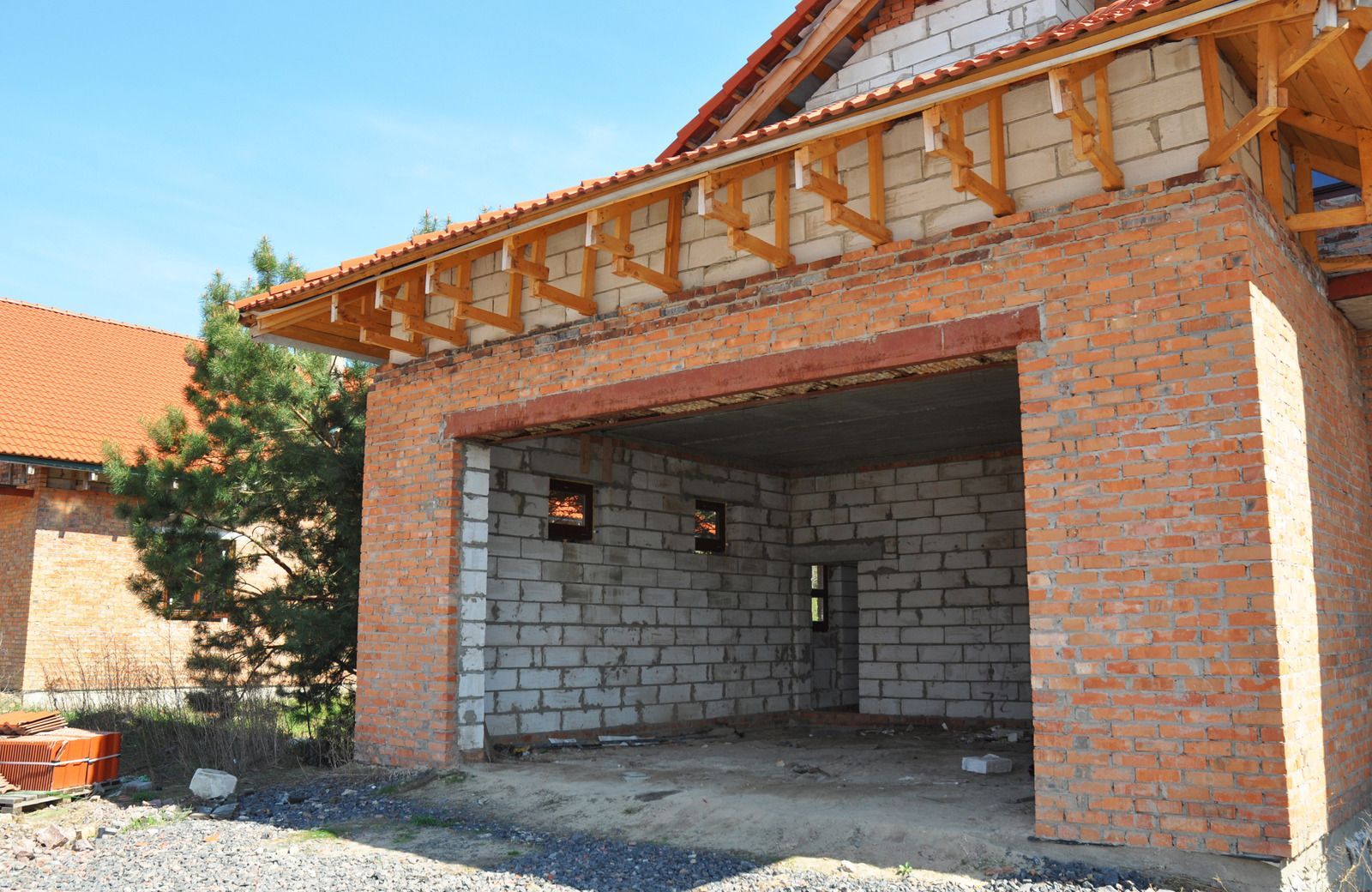
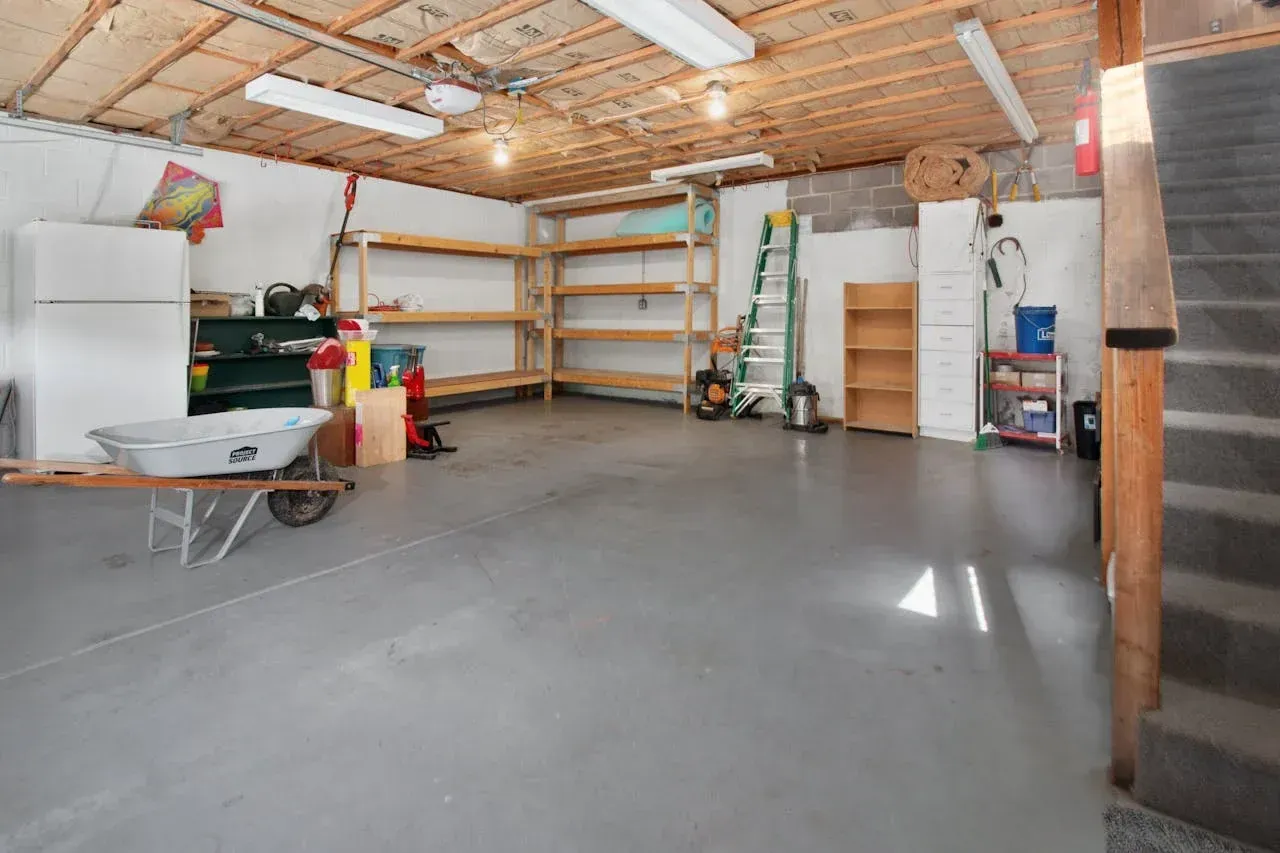
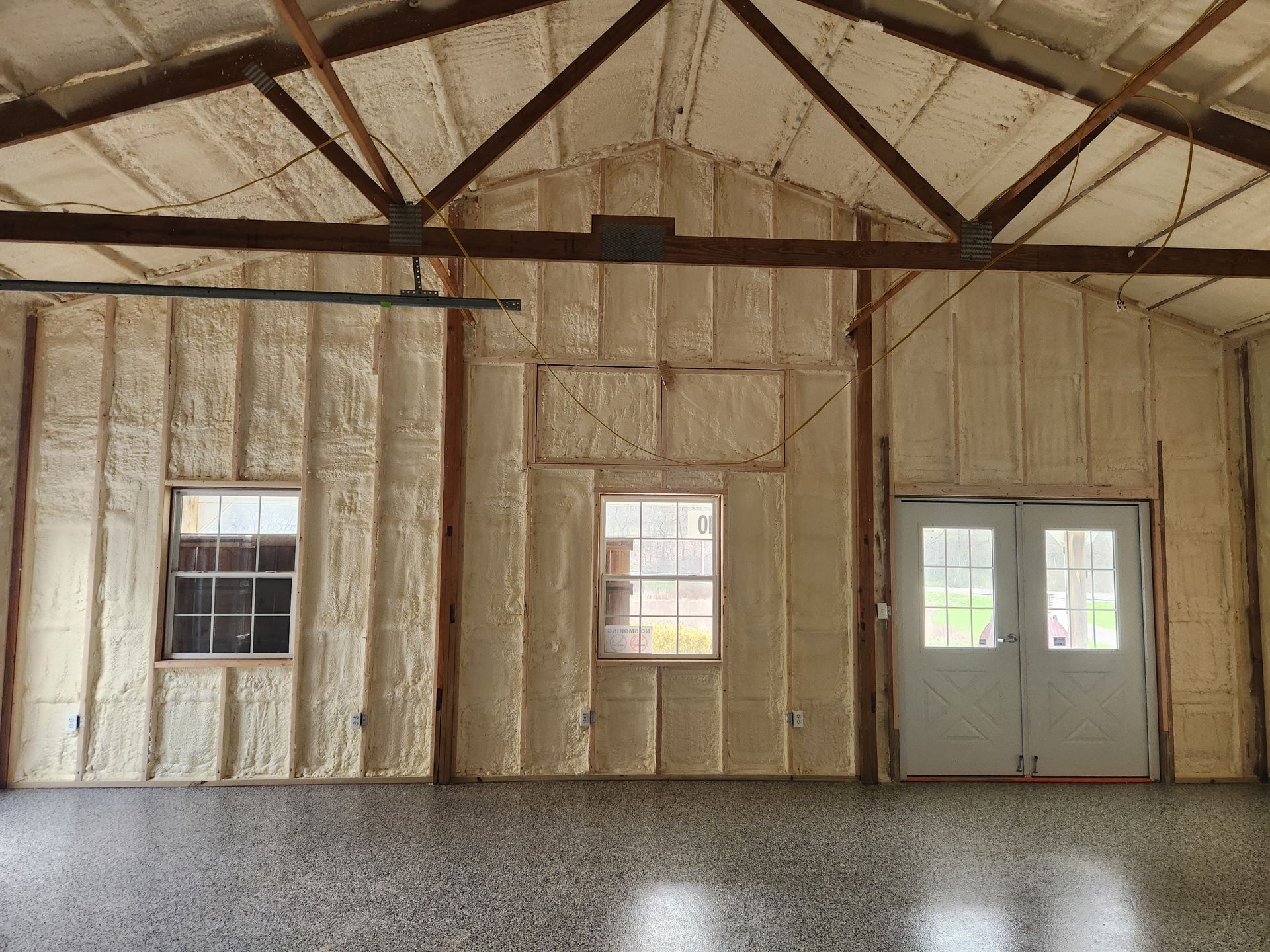
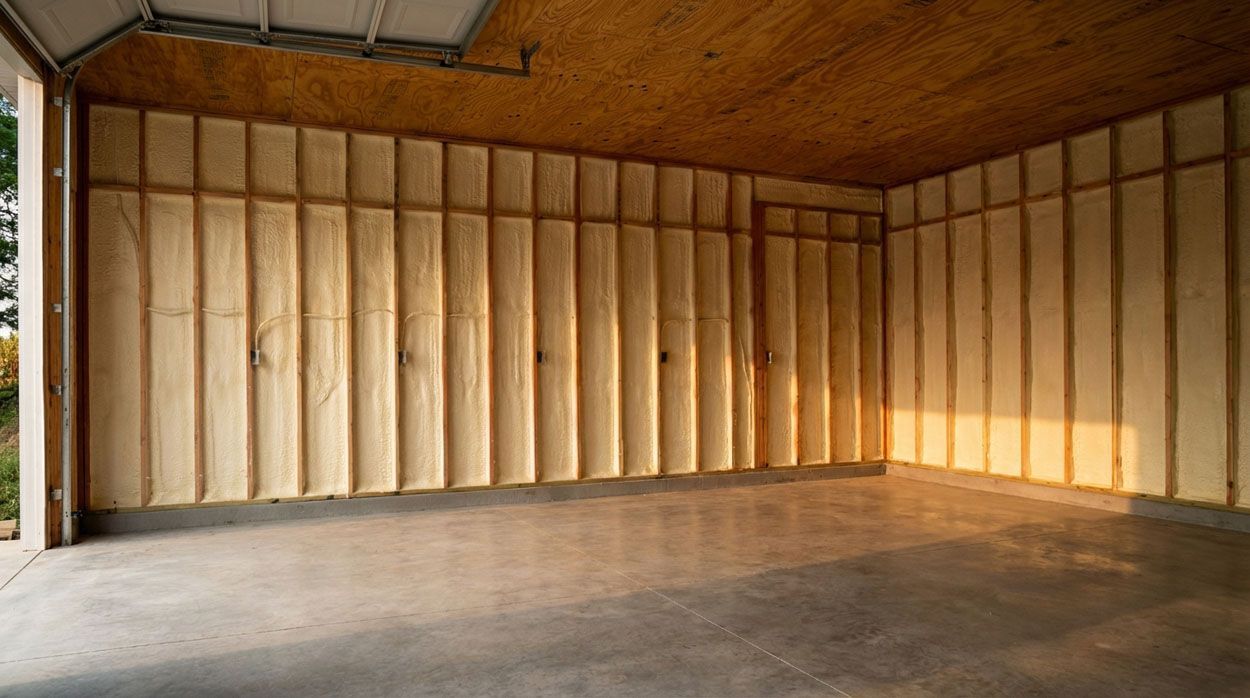
Garages vary from single-car spaces tucked under older homes to large detached buildings. We apply foam wherever the space loses heat, based on how you use it and what surrounds it.
Template premium 99
Garage Walls

Garage Wall Insulation


Exterior garage walls and the wall shared with your home both get sealed and insulated. Foam fills uneven stud bays completely and closes the gaps around outlets, windows, hose bibs, and other service penetrations.
Template premium 99
Garage Ceilings

Garage Ceiling Insulation


A ceiling below attic space or bedrooms needs a strong thermal barrier. Foam between joists and rafters slows heat moving up or down and keeps the space above the garage comfortable.
Template premium 99
Garage Doors

Garage Door Insulation


Thin metal door panels let cold radiate straight into the garage. Foam on the panels adds insulation and rigidity, and we flag any spring adjustment the added weight may require.
Template premium 99
Bonus Room Floors

Room Over Garage Floor Insulation


Bedrooms and bonus rooms above a garage often have cold floors. We seal and insulate the floor cavities between garage and living space so the room above stays warm and quiet.
Template premium 99
Shared Walls

Garage-to-Home Air Sealing


The connection between garage and house should stop fumes and drafts. We seal gaps along shared walls, around the entry door frame, and at ceiling transitions to keep that air out of living spaces.
Template premium 99
Detached Spaces

Detached Garage and Workshop Insulation


Freestanding garages and backyard workshops need a complete shell to stay usable. We insulate walls and roofs together so the building holds heat from any space heater or small HVAC unit you add.
Black horizontal rounded line on a white background

THE WORD ON OUR WORK

What Our Clients Say.

Homeowners often tell us the kitchen floor finally feels warm or the bedroom over the garage became their favorite room. Our reviews also mention workshop owners who can now work straight through January. See what they have shared, then add your own thoughts once your garage is finished.
    Black horizontal line on a white background
    FAQ

    Frequently Asked Questions.

    Garages tend to get overlooked until someone wants to use them year round or notices the cold rooms nearby. These answers cover what homeowners most often ask before we insulate a garage.

      What are the benefits of insulating my garage?

      Garage insulation improves temperature control, reduces energy costs, and protects vehicles and stored items. It also cuts noise, adds home value, and keeps rooms beside or above the garage more comfortable throughout the year.

      What types of insulation are best for garages?

      TrueFoam LLC uses spray foam for garages in Pittsburgh, Pennsylvania, because it provides strong air sealing and a high R-value in irregular framing. It also fills around doors, windows, and wiring more completely than batts.

      How long does garage insulation typically last?

      Protected from physical damage and ongoing moisture, spray foam in a garage can perform for decades. Occasional checks after impacts from vehicles or equipment help keep the insulation working as intended.

      Can you insulate a garage door with spray foam?

      Yes. Foam can be applied to many garage door panels to add insulation and stiffness. The added weight may require a spring adjustment, so we recommend having the door balance checked afterward.

      Does the wall between the garage and house need insulation?

      It should. That shared wall separates a cold, unconditioned space from your living area, and sealing it also helps keep vehicle exhaust, gasoline odors, and chemical fumes from reaching the rooms inside.

      Will insulating my garage make it warm without a heater?

      It will stay noticeably milder, especially if it is attached, but insulation slows heat loss rather than creating heat. Pairing it with a small heater makes the space comfortable during the coldest weeks.

      How long does a garage insulation project take?

      Most attached garages are finished in one or two days, depending on size and whether the ceiling, door, and walls are all included. We confirm the timeline during your free estimate.

      Why should I hire TrueFoam LLC for garage insulation?

      Homeowners in Pittsburgh, Pennsylvania, hire TrueFoam LLC for our owner's 45+ years of experience, American-made materials, clear free quotes, and a crew that treats your garage and home with care.

      Short black horizontal line on a white background
      How We Work

      From a Cold Garage to a Usable Room, Here is How.

      STEP 01

      We Assess the Space
      We measure walls, ceilings, and doors, check how the garage connects to the house, and note what sits above it. We also ask how you plan to use the space so the plan fits your goals.

      STEP 02

      We Lay Out the Plan
      You get a clear recommendation covering which surfaces to insulate, the foam depth for each, and any door considerations. Our quote explains the scope, the materials, and the expected schedule.

      STEP 03

      We Clear and Cover
      Vehicles move out, shelving and stored items get covered or relocated, and floors, door openers, light fixtures, and outlets are protected. The work area is ventilated and closed off from the house before any foam goes on.

      STEP 04

      We Seal the Shared Side
      Gaps along the house wall, entry door frame, and ceiling transitions get sealed first. Stopping those leaks keeps drafts and fumes away from the rooms that share a boundary with the garage.

      STEP 05

      We Insulate the Shell
      Walls, ceilings, and door panels receive foam in controlled passes. We build even coverage across irregular framing and around windows, outlets, and openers, keeping foam clear of tracks, springs, and other moving parts.

      STEP 06

      We Return Your Garage
      After a final coverage check, coverings come down, debris goes out, and the floor is swept. We walk you through the work and point out anything the door may need.