Black horizontal line near the left side on a white background
Foundation Sealing & Insulation

Pittsburgh typically receives around 38 to 40 inches of precipitation a year, and much of that water ends up pressing against foundation walls as it soaks into the surrounding soil through freeze and thaw cycles. TrueFoam LLC provides foundation sealing and insulation in Pittsburgh, Pennsylvania, using high-performance spray foam to seal gaps, insulate foundation walls, and reduce the drafts and damp air that rise from the ground up. We inspect for cracks, moisture, efflorescence, and pest entry points before planning any of the work. Our locally owned crew uses American-made materials on residential and commercial foundations throughout the entire region.
Construction workers pouring concrete at a building site, with a truck in the background
Wet concrete pouring from a truck chute onto a construction site, forming a gravelly slab surface

Your Home's Comfort Starts at the Bottom.

Gaps where the house meets the foundation, cracks in block walls, and openings around pipes and wires let cold air, humidity, and insects slip quietly into the lower level day and night. That air rises through the house, chilling floors, feeding musty odors, and making the furnace work harder than it should all winter.

Sealing and insulating the foundation stops those problems where they start, protecting the entire house from the ground up and making every floor above it feel warmer, drier, and more comfortable.

  • Fewer drafts from below
  • Less damp, musty air
  • Fewer pest entry points
  • Warmer floors above
Black horizontal line on a white background
Foundation Sealing & Insulation

Protect the Base That Holds Everything Else up.

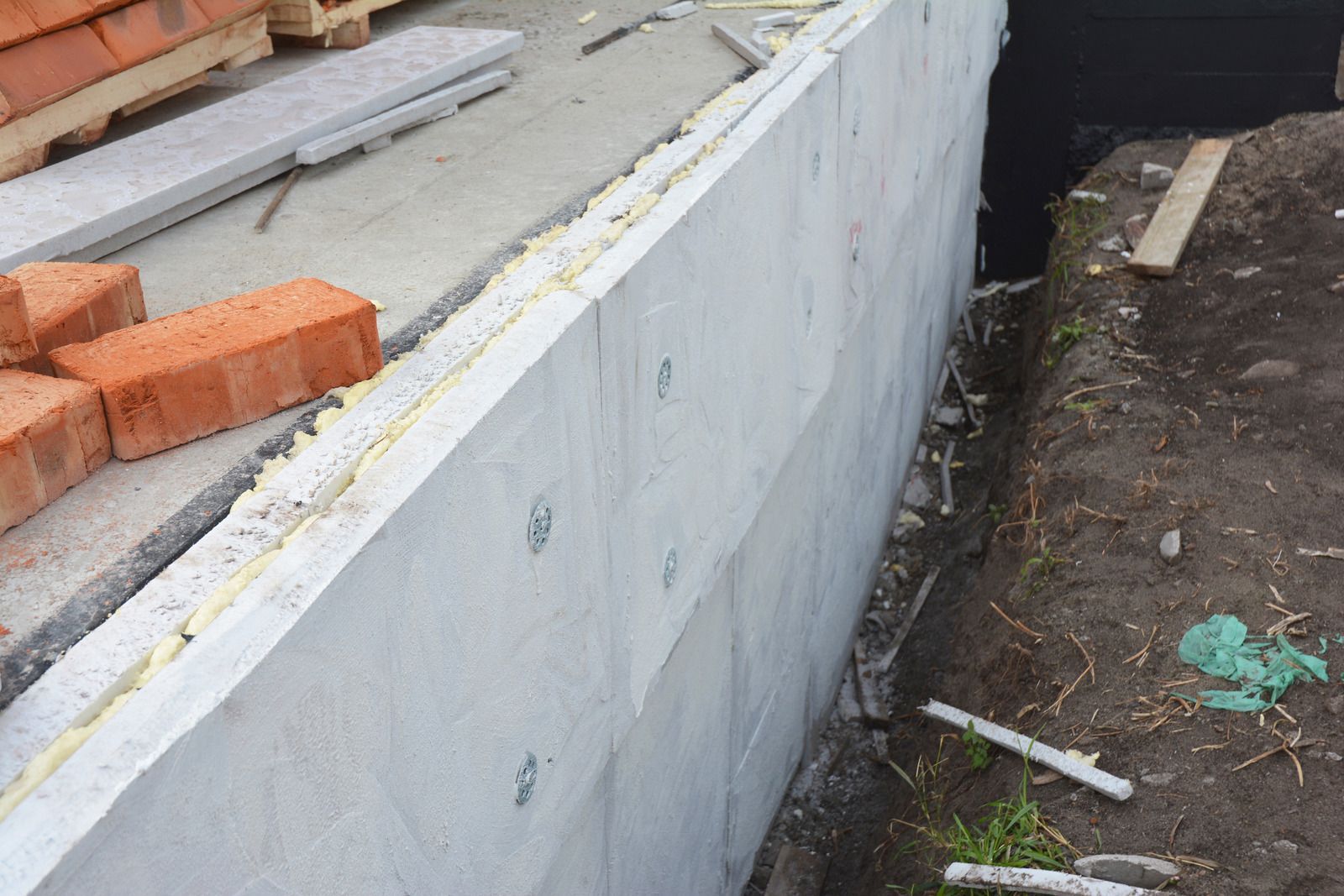
Your foundation carries the weight of the entire house, yet it often receives the least attention. Spray foam applied to foundation walls and the joints above them creates a continuous seal against air and a thermal layer against cold masonry. That reduces condensation, keeps lower levels drier and warmer, and helps prevent the small moisture problems that can grow into costly repairs. It is a practical upgrade that protects both comfort and structure for decades.

Hillside Lots and Clay Soils Put Pressure on Local Foundations.

Many Pittsburgh homes sit on sloped lots where groundwater moves toward one side of the house, and the region's clay-heavy soils hold moisture against foundation walls for long stretches. Older stone and block foundations have joints that open over time, while newer poured walls can still crack as they settle. We look at grading, drainage, wall type, and visible moisture before recommending how to seal and insulate.

We Know What Foam Can Fix and What It Can't.

Some foundation problems call for sealing and insulation, while others need drainage work, crack repair, or a structural engineer first. Our owner has spent 45+ years learning to tell the difference, and our crew gives you a straight answer before any work begins. That honesty saves money and protects your home in the long run. Would a clear assessment of your foundation help you decide what comes next?

What Foundation Sealing Delivers

Black-and-white icon of a hand operating a conveyor belt over rows of logs or bottles
Prevent Moisture Intrusion and Water Damage
Sealed, insulated foundation walls limit damp air and condensation in the lower level, reducing the conditions that lead to mold, mildew, musty odors, and water-damaged belongings or finishes over time.
Black-and-white icon of a saw cutting through stacked bricks and a woven pattern above them
Reduce Energy Bills by Improving Insulation
Foam stops cold masonry and leaky joints from pulling heat out of the house, so your furnace works less and energy costs drop throughout the long Western Pennsylvania heating season.
A black tire-track icon above a row of tires and brick pattern, suggesting off-road or tread-related signage
Enhance Indoor Air Quality
Air rising from basements and crawl areas carries dampness and odors into living spaces. Sealing the foundation keeps that air out, leaving the rooms above fresher and more pleasant.
Black-and-white icon of a chainsaw cutting into a stacked pile of logs or bricks
Increase Your Home's Overall Comfort
Floors above an insulated foundation feel warmer, drafts along baseboards fade, and the lower level becomes a comfortable part of the house rather than a cold, damp afterthought nobody wants to use.
Black safety icon with a drill above a brick wall and round hazard symbol.
Protect Against Pest Infestations
Gaps around pipes, wires, and the top of foundation walls give insects and rodents easy entry. Foam seals many of those openings, making the house harder for pests to enter.
Black and white tire tread with a small vehicle icon above it
Extend the Lifespan of Your Foundation
Controlling moisture and condensation reduces the long-term wear that damp conditions cause on masonry, mortar, and the wood framing resting on the foundation, helping preserve your home's structure for the long term.
Black horizontal rounded line on a white background

our services

Our Foundation Sealing Work
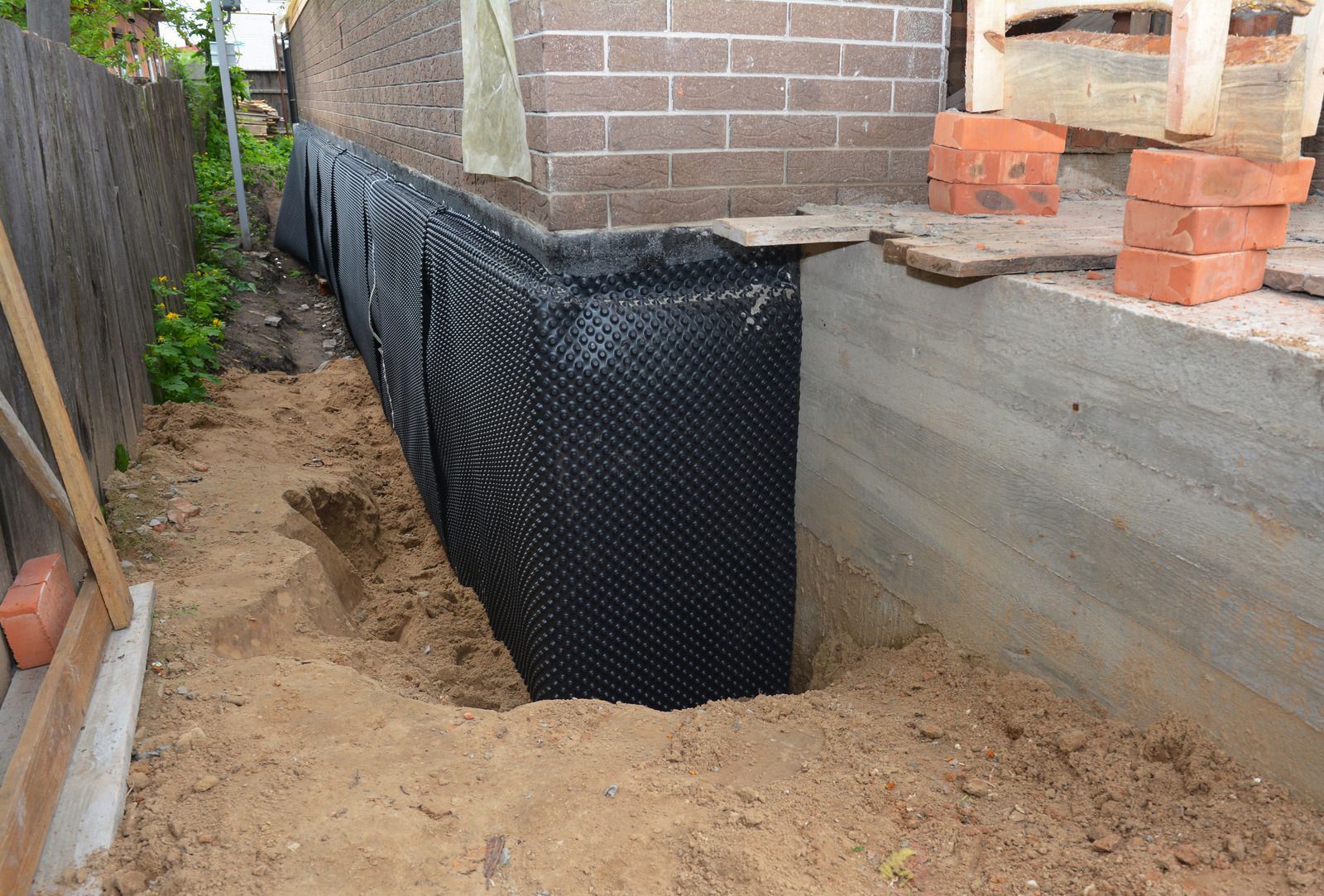
Foundations vary by age, material, and site conditions, so we tailor each project to what we find. Our work focuses on sealing air and moisture paths while adding insulation where it counts.
Template premium 99
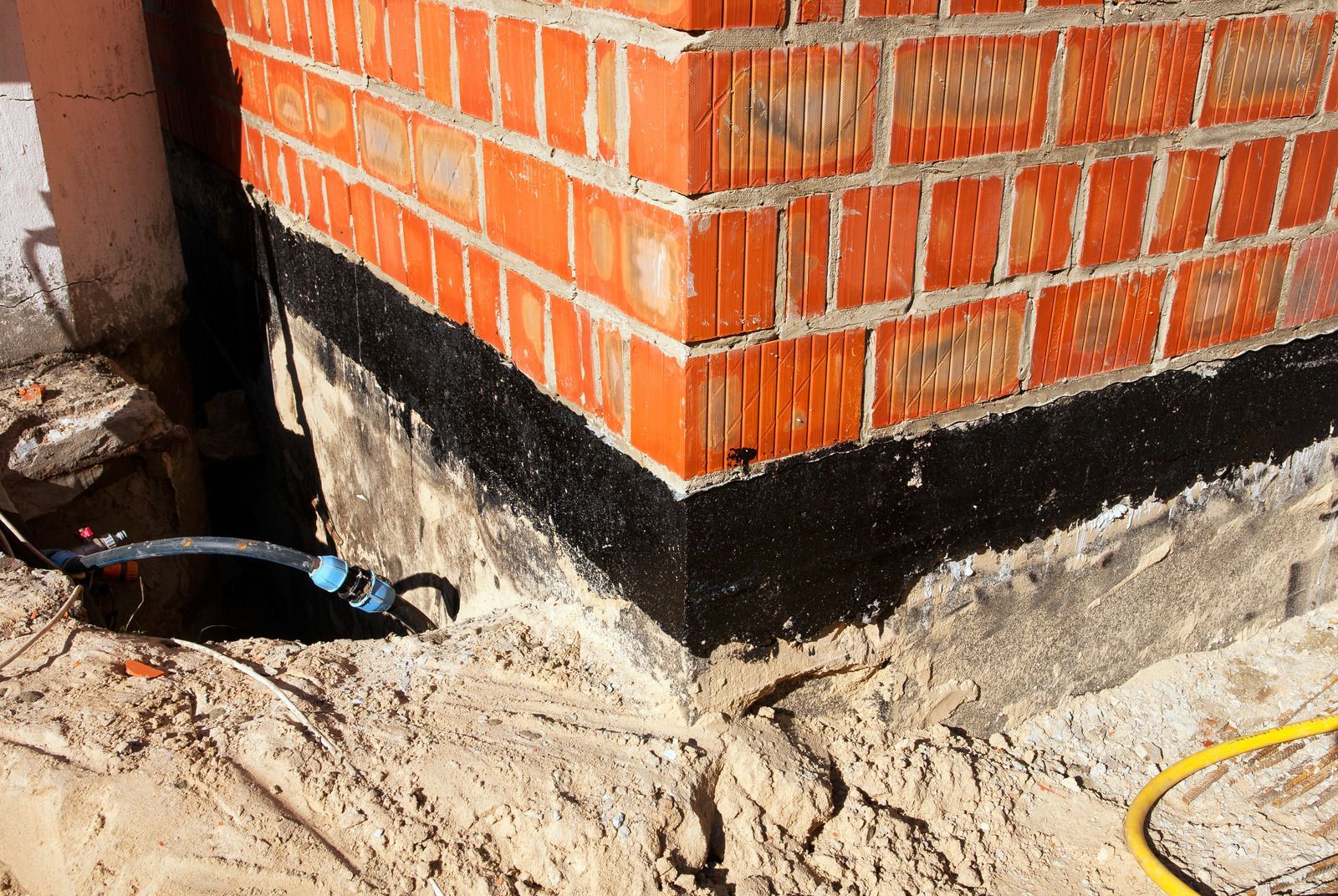
Moisture Defense

Foundation Waterproofing


Foam applied to interior foundation walls adds a moisture-resistant layer that limits damp air and condensation. For active leaks from outside, we recommend addressing drainage and cracks first so the treatment performs well.
Template premium 99
Crawl Areas

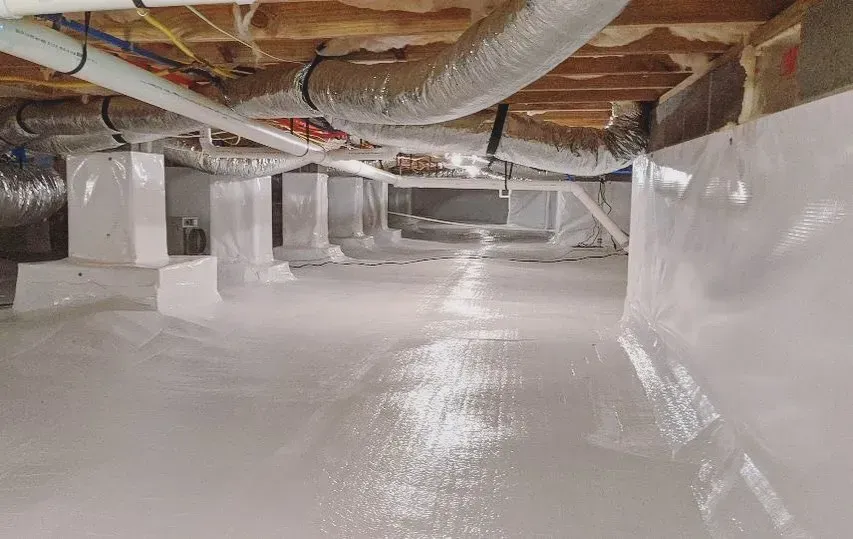
Crawl Space Encapsulation


Crawl areas under homes and additions often breathe damp ground air into the house. We seal and insulate the walls of these spaces to control humidity and keep cold air away from the floors above.
Template premium 99
Foam Sealing

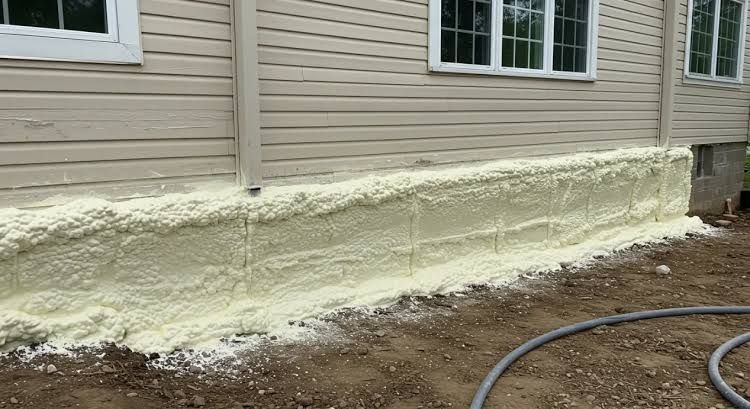
Spray Foam Foundation Sealing & Insulation
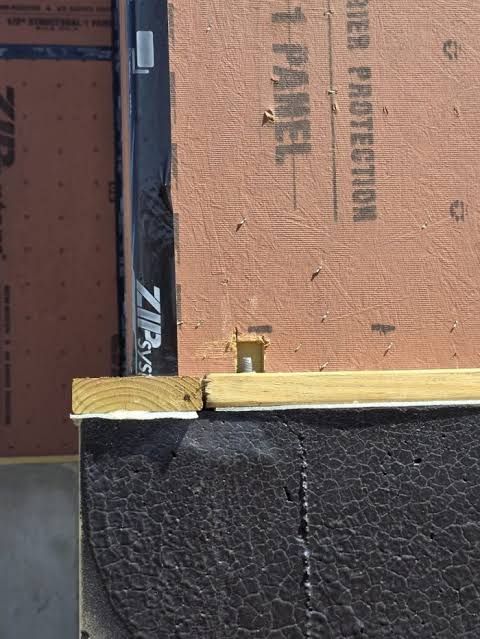

Spray foam bonds directly to concrete, block, and stone, sealing joints and small gaps while insulating the wall surface in one step for a warmer, drier, and more efficient lower level.
Template premium 99
Sill Plates

Sill Plate Air Sealing


The joint where wood framing rests on the foundation is one of the leakiest spots in many homes. Sealing it with foam stops drafts, insects, and cold air from entering right at the base.
Template premium 99
Wall Insulation

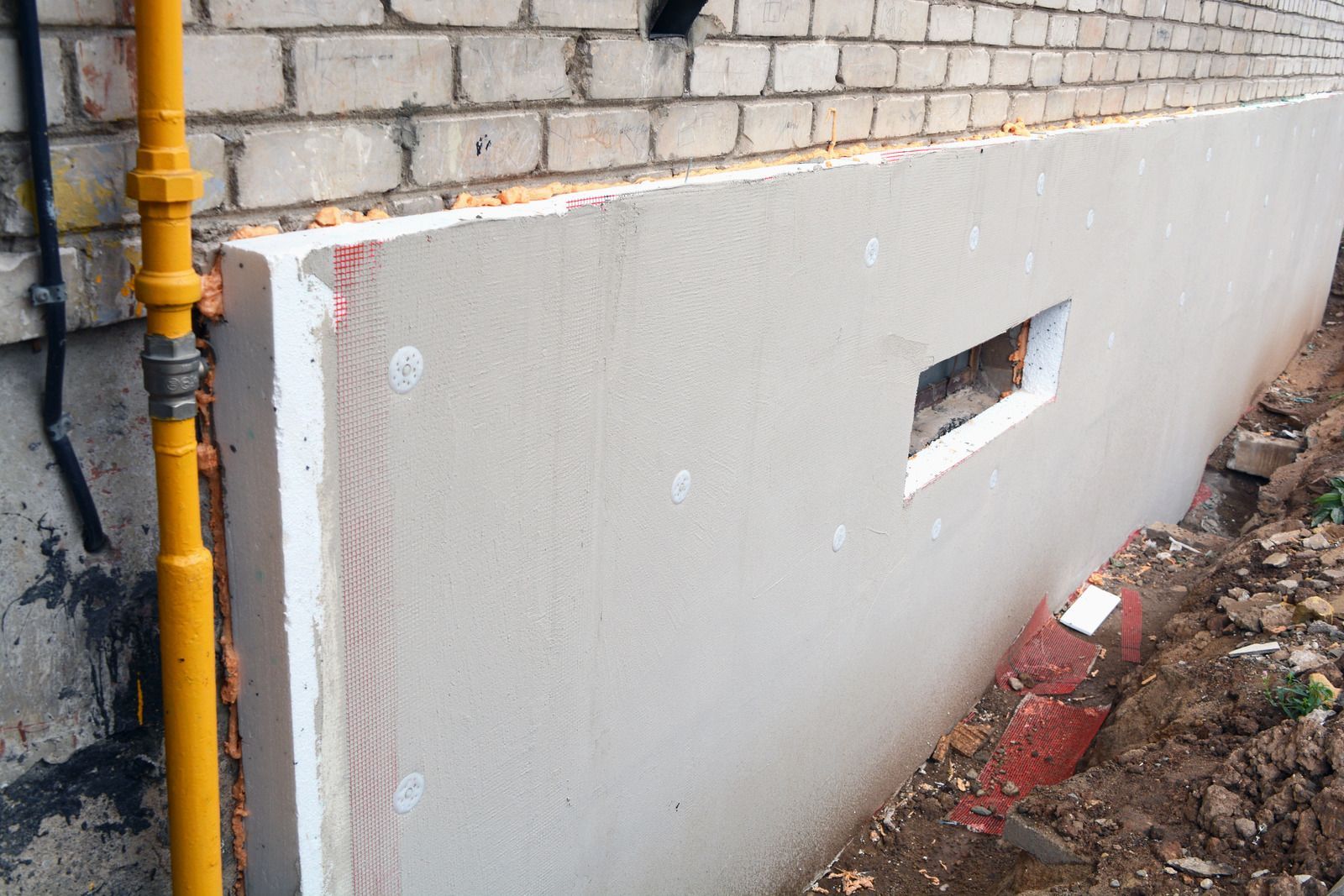
Foundation Wall Insulation


Bare foundation walls lose heat quickly. A continuous layer of foam insulates the masonry from top to bottom, raising wall surface temperatures and reducing condensation along the entire lower level.
Template premium 99
Entry Points

Pest Entry Point Sealing


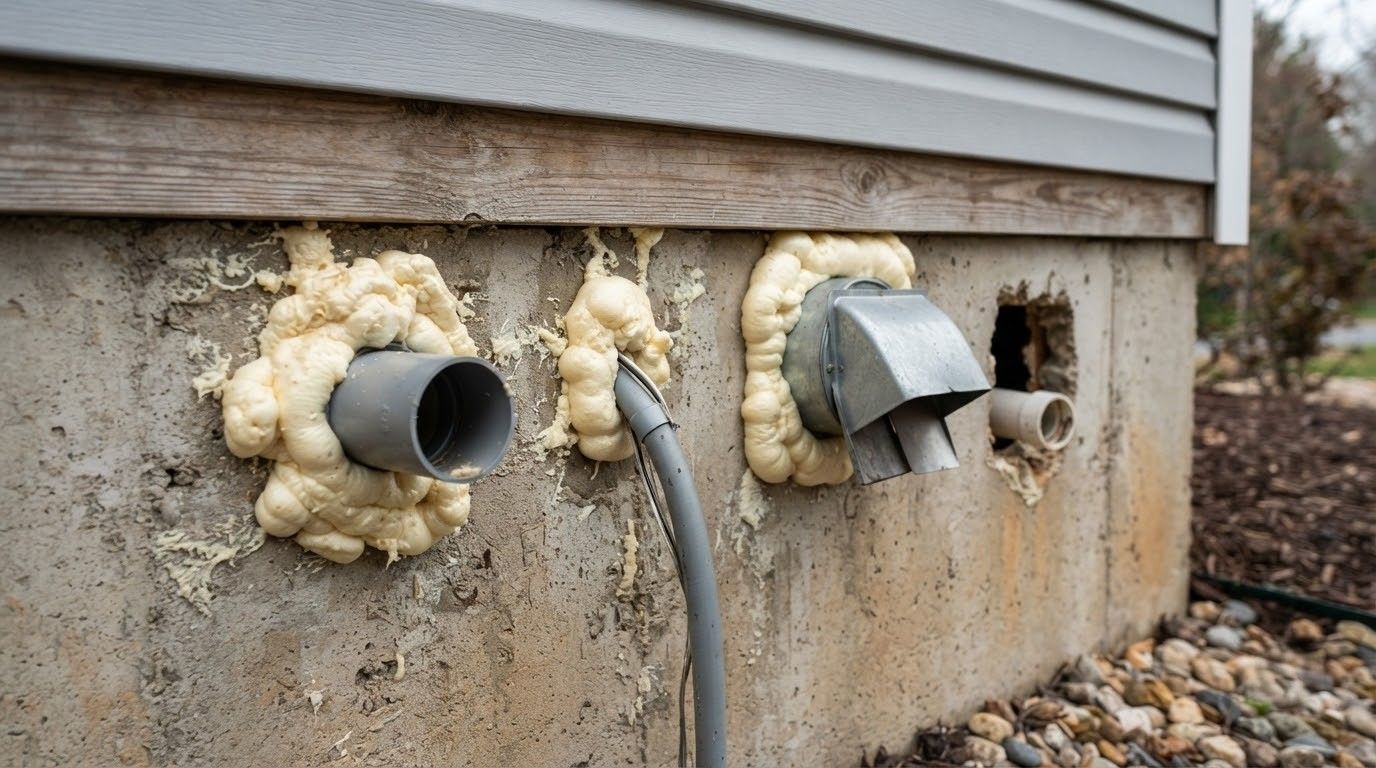
Openings around plumbing, wiring, dryer vents, and utility lines give pests easy paths inside. We seal these penetrations with foam to close the most common entry points along the foundation and sill.
Black horizontal rounded line on a white background

THE WORD ON OUR WORK

What Our Clients Say.

Homeowners tell us their basements smell fresher, their floors feel warmer, and the insects that used to wander in have mostly disappeared. Many also appreciate the honest advice about what needed repair first. Read their reviews and share your own experience once your foundation work is complete.
    Black horizontal line on a white background
    FAQ

    Frequently Asked Questions.

    Foundation work raises important questions about water, cracks, soil gas, and what spray foam can and cannot do for a home. These answers cover what homeowners ask most often before scheduling.

      What are the signs that my foundation needs sealing or insulation?

      Common signs include moisture in the basement or crawl area, high energy bills, uneven floors, cracks in walls or floors, and musty odors. If you notice any of these, an inspection is a smart next step.

      How long does a typical foundation seal and insulation project take?

      Most residential projects are completed in one to three days, depending on the size of the property and the scope of work. TrueFoam LLC works efficiently in Pittsburgh, Pennsylvania, homes to minimize disruption.

      Can foundation seal and insulation really lower my energy bills?

      Yes. Proper foundation sealing and insulation reduce heat loss and air infiltration from the lower level, which lowers heating and cooling costs. Savings depend on how leaky and uninsulated the foundation was beforehand.

      Can spray foam stop water from leaking through foundation cracks?

      Not on its own. Foam seals air and reduces condensation, but active water entry usually requires crack repair, grading, or drainage improvements. We identify water issues during our inspection and explain the right sequence.

      Are foundation cracks a structural problem?

      Many small cracks are cosmetic and common as concrete cures. Wide, growing, or displaced cracks can signal structural movement and should be evaluated by a qualified professional before sealing or insulating.

      Does sealing the foundation help with radon?

      Sealing openings can reduce some soil gas entry, but it is not a radon mitigation system. Pennsylvania has areas with elevated radon, so testing and, if needed, a dedicated mitigation system are the reliable path.

      Will foam on foundation walls need to be covered?

      In occupied or finished spaces, building codes generally require spray foam to sit behind an approved thermal barrier, such as drywall. Crawl areas entered only for service may need an ignition barrier instead.

      Why trust TrueFoam LLC with foundation sealing and insulation?

      Homeowners in Pittsburgh, Pennsylvania, trust TrueFoam LLC for our owner's 45+ years of experience, honest assessments, American-made materials, competitive pricing, clean job sites, and free quotes on every foundation project.

      Short black horizontal line on a white background
      How We Work

      From Damp Foundation to Sealed Base, Here is How.

      STEP 01

      We Examine the Foundation
      We inspect foundation walls, joints, and penetrations from inside and out, checking for cracks, moisture, efflorescence, pest activity, and grading problems that could affect how the sealing and insulation perform.

      STEP 02

      We Give a Straight Answer
      We explain what foam can solve, what may need repair first, and where sealing will make the biggest difference. Your quote details the scope, materials, and expected timeline without pressure.

      STEP 03

      We Prep the Surfaces
      Walls are cleaned of loose debris, dust, and flaking paint so the foam bonds properly. We protect floors, mechanical equipment, and stored belongings, and we set up ventilation for the work area.

      STEP 04

      We Seal the Gaps
      Sill plates, pipe and wire penetrations, and open joints get sealed first. Closing those openings stops drafts, damp air, and insects from entering at the base of the house.

      STEP 05

      We Insulate the Walls
      Foam goes onto the foundation walls in controlled passes, building an even insulating layer from top to bottom that warms the masonry and reduces condensation throughout the lower level.

      STEP 06

      We Review and Tidy up
      We check coverage, clean up debris and coverings, and walk you through the finished foundation. You learn what the space needs next, whether that is a covering, finishing, or simple monitoring.