Black horizontal line near the left side on a white background
Attic Insulation

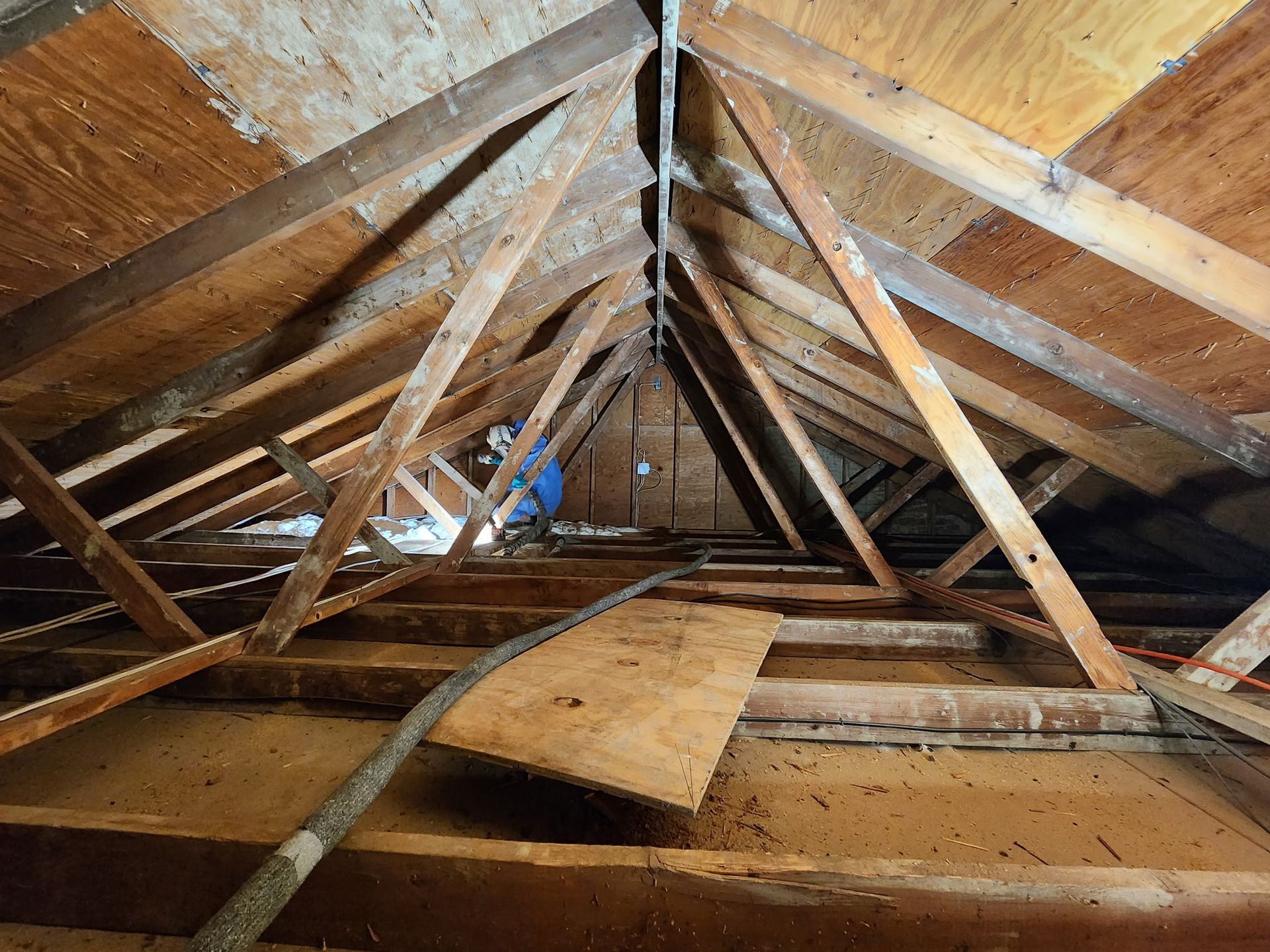
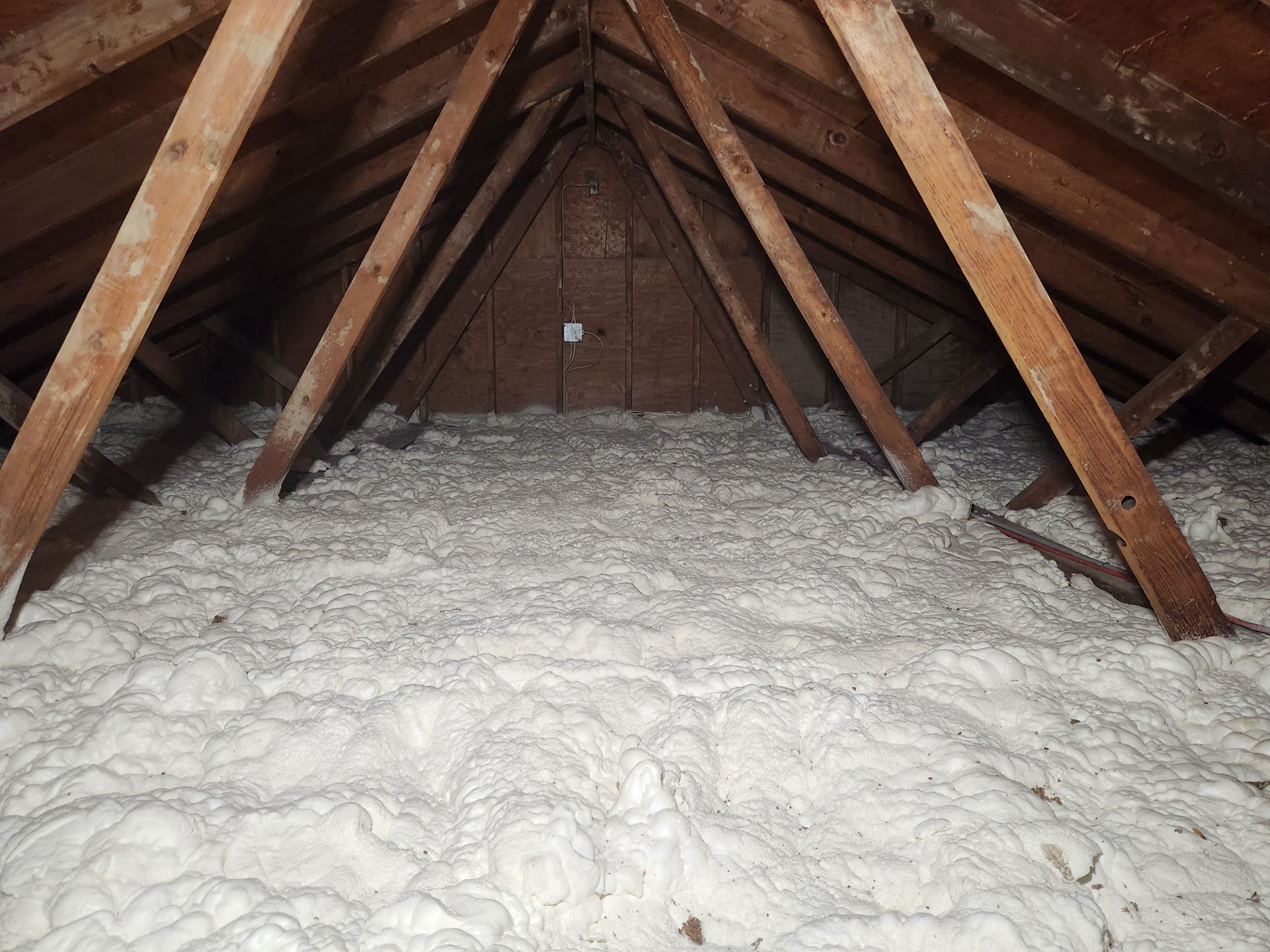
ENERGY STAR recommends R-49 to R-60 of attic insulation for uninsulated attics in Climate Zone 5, and many older Western Pennsylvania homes sit far below that level, some with only a few inches of settled fill. TrueFoam LLC provides attic insulation in Pittsburgh, Pennsylvania, using spray foam on roof decks, attic floors, knee walls, and the countless small openings where warm air escapes into the attic. Our team starts by locating leaks around chimneys, plumbing stacks, and top plates, then plans foam depth to match the space. We use American-made materials and treat the attic as the most important surface in your home's building envelope.
Construction workers pouring concrete at a building site, with a truck in the background
Wet concrete pouring from a truck chute onto a construction site, forming a gravelly slab surface

The Top of Your House Decides How the Rest Feels.

Heat rises, so the attic takes the brunt of your furnace's work every winter, especially during long stretches of freezing weather. When that space leaks through dozens of small gaps, warm air pours out through the roof, cold air gets pulled in below, and upstairs bedrooms swing between chilly and stuffy no matter where the thermostat sits.

A properly sealed attic stops that cycle, protects the roof from ice, and gives the whole house a steadier, quieter, and more predictable feel through every season.

  • Slows heat loss through the roof
  • Evens out upstairs temperatures
  • Helps limit ice dam formation
  • Takes strain off heating equipment
Black horizontal line on a white background
Attic Insulation

Upstairs Bedrooms Deserve the Same Comfort as the Kitchen.

Families often notice the problem first on the second floor, where rooms run cold in February and uncomfortably warm in August. A poorly insulated attic is usually the reason. Spray foam seals the leaks that thin batts leave behind and adds a continuous thermal layer, so upstairs rooms follow the thermostat instead of the weather. Many homeowners also find their heating system starts and stops less often once the attic is sealed.

Winters Here Are Hard on Rooflines and Gutters.

Snow that settles on Pittsburgh roofs melts from below when warm attic air heats the roof deck, then refreezes at the colder eaves. That cycle creates the ice dams and heavy icicles homeowners see along gutters every January. Sealing and insulating the attic keeps more heat inside the living space, which helps the roof stay cold, snow melt evenly, and gutters stay clear of the thick ice that can push water under shingles.

The Attic Tells Us More than the Thermostat Does.

Frost on roof nails, dark streaks on insulation, and dust trails around light fixtures all point to air leaks, and our owner has spent 45+ years learning to read those clues. That knowledge lets our crew find the openings that matter most before spraying any foam. It also keeps us honest about what an attic truly needs. Curious what your own attic would reveal during a quick walkthrough with our team?

What a Sealed Attic Delivers

Black-and-white icon of a hand operating a conveyor belt over rows of logs or bottles
Lower Energy Bills
ENERGY STAR estimates that air sealing and insulating attics and other key areas saves homeowners an average of 15% on heating and cooling, savings that repeat every single season.
Black-and-white icon of a saw cutting through stacked bricks and a woven pattern above them
Consistent Indoor Temperatures
Upstairs bedrooms stop running hotter or colder than the main floor. A sealed attic keeps conditioned air where it belongs, so every level of the house feels balanced and predictable year round.
A black tire-track icon above a row of tires and brick pattern, suggesting off-road or tread-related signage
Ice Dam Prevention
Keeping warm air out of the attic helps the roof deck stay cold, so snow melts evenly instead of refreezing at the eaves and forcing water back under shingles and into ceilings.
Black-and-white icon of a chainsaw cutting into a stacked pile of logs or bricks
Longer HVAC Lifespan
When less heat escapes through the roof, furnaces and air conditioners run shorter cycles. Reduced wear on motors, blowers, and compressors can extend equipment life and delay costly replacements.
Black safety icon with a drill above a brick wall and round hazard symbol.
Greater Home Comfort
Fewer drafts, quieter rooms, and steadier humidity make the whole house more pleasant to live in, especially the bedrooms, nurseries, and bonus spaces sitting directly beneath the attic floor.
Black and white tire tread with a small vehicle icon above it
Higher Property Value
Energy-efficient upgrades appeal to buyers who compare utility costs. A well-insulated, air-sealed attic gives your home a practical selling point and helps protect the investment you have already made.
Black horizontal rounded line on a white background

our services

Our Attic Insulation Work
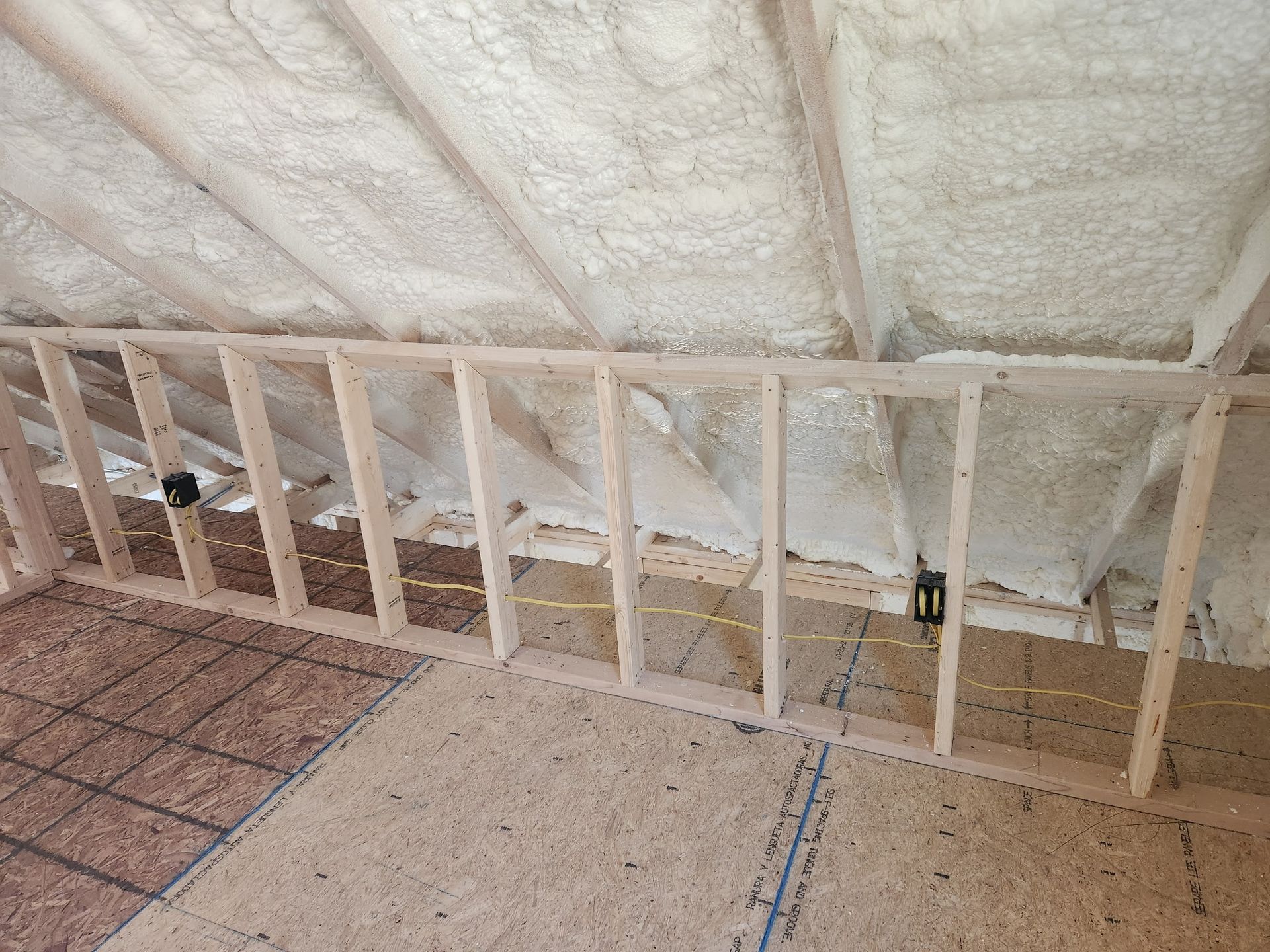
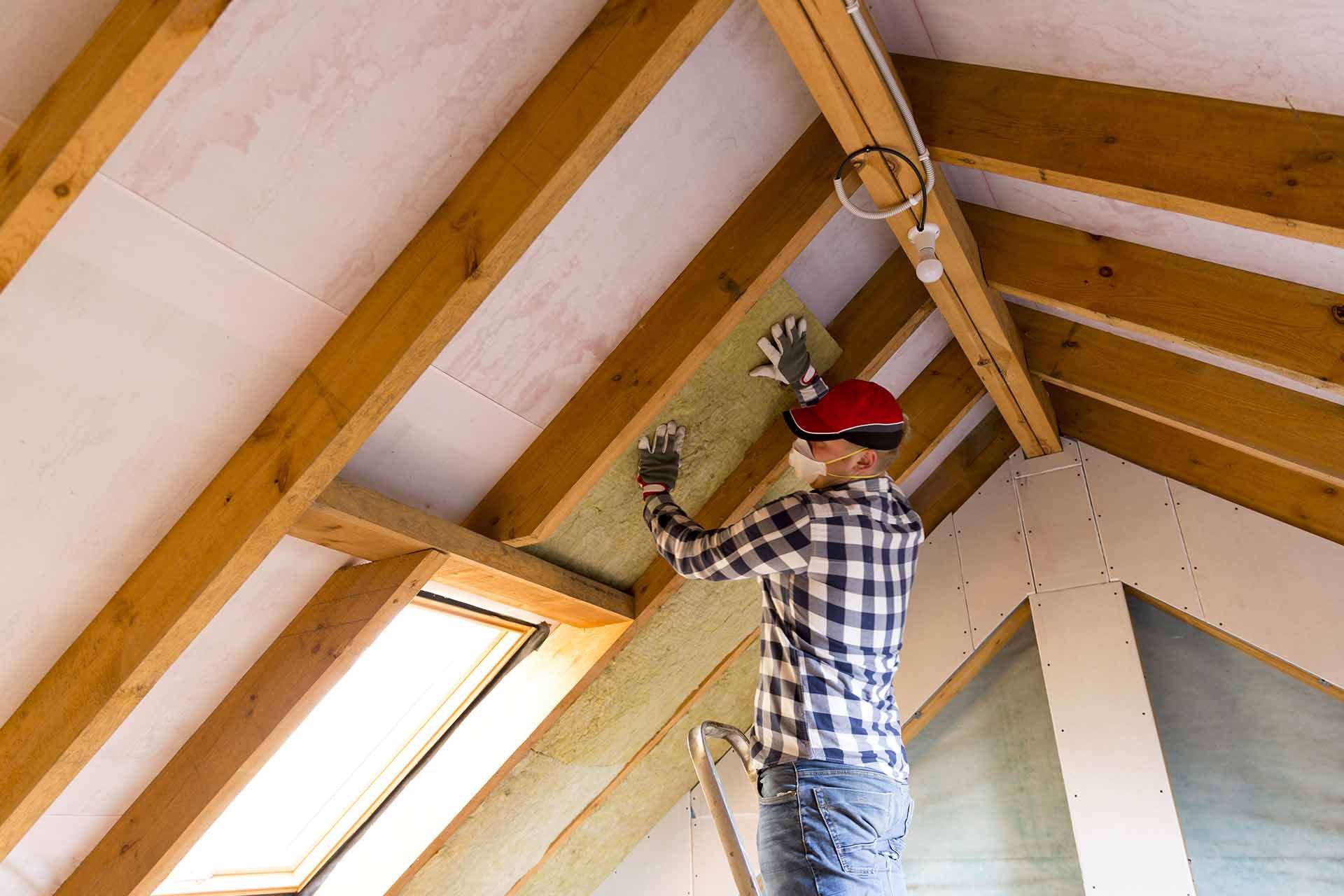
Attics come in many shapes, from open truss spaces to finished bonus rooms. We tailor the foam application to your roof framing, how the space gets used, and where your mechanical equipment sits.
Template premium 99
Roof Deck

Unvented Roof Deck Insulation


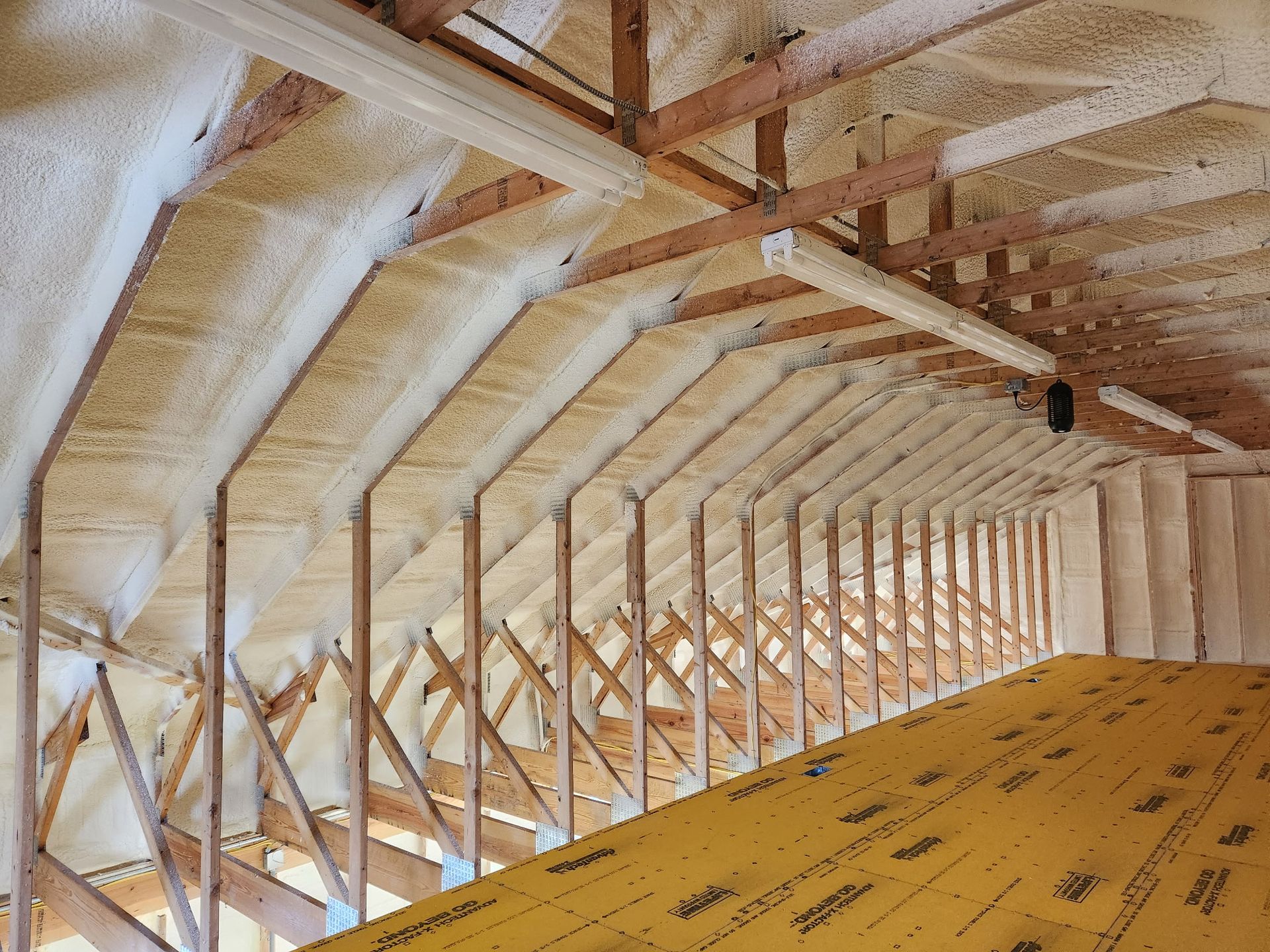
Spraying foam directly to the underside of the roof sheathing turns the attic into a conditioned space. It works well when ducts or equipment sit in the attic and need protection from extreme temperatures.
Template premium 99
Attic Floor

Attic Floor Air Sealing


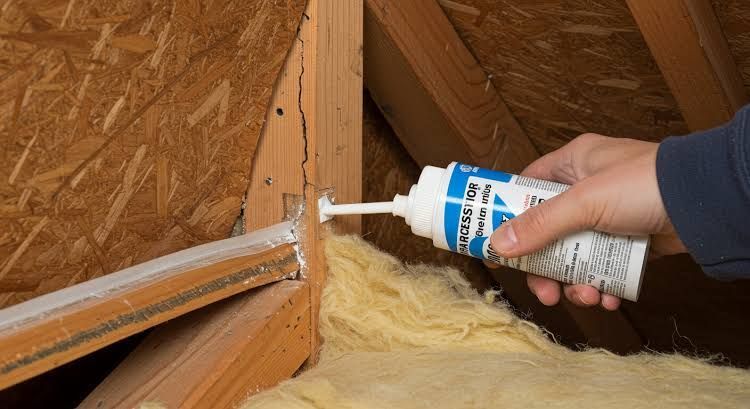
Top plates, wiring holes, and plumbing penetrations let warm air rise straight into the attic. We seal those openings from above, stopping leaks at the ceiling plane before any additional insulation goes down.
Template premium 99
Knee Walls

Knee Wall Insulation


Short walls in Cape Cods and finished attics often hide open framing and missing insulation. Foam seals and insulates both the wall and the floor cavities behind it, warming the rooms they surround.
Template premium 99
Access Points

Attic Access Sealing


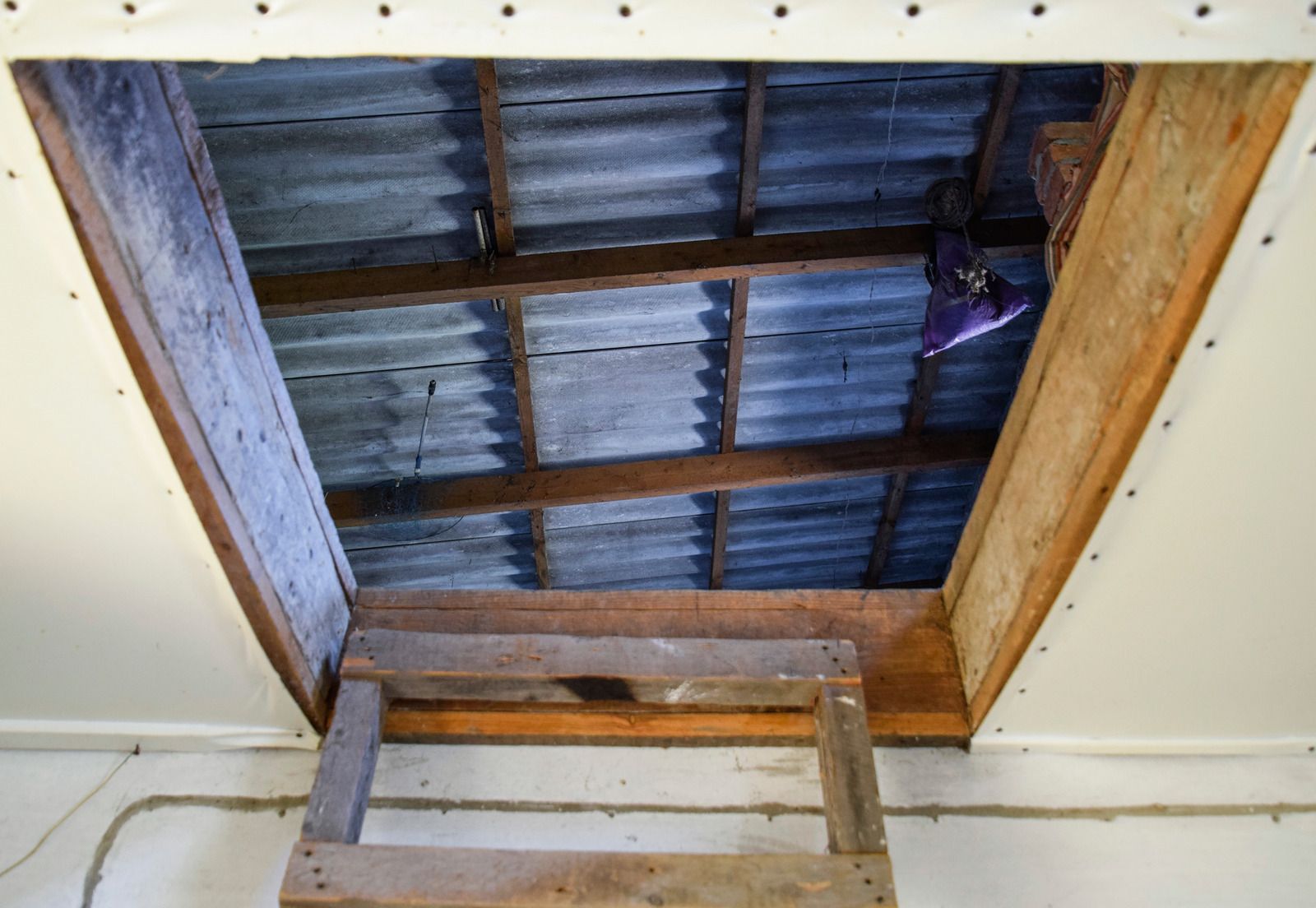
Pull-down stairs and hatches can leak like an open window all winter. We seal and insulate around attic access openings so the entry you use for storage no longer lets heated air escape upward.
Template premium 99
Bonus Rooms

Bonus Room Insulation


Rooms built over garages or tucked under the roof sit exposed on several sides. Foam in the surrounding slopes, walls, and floors makes those spaces comfortable enough to use in every season.
Template premium 99
Vaulted Spaces

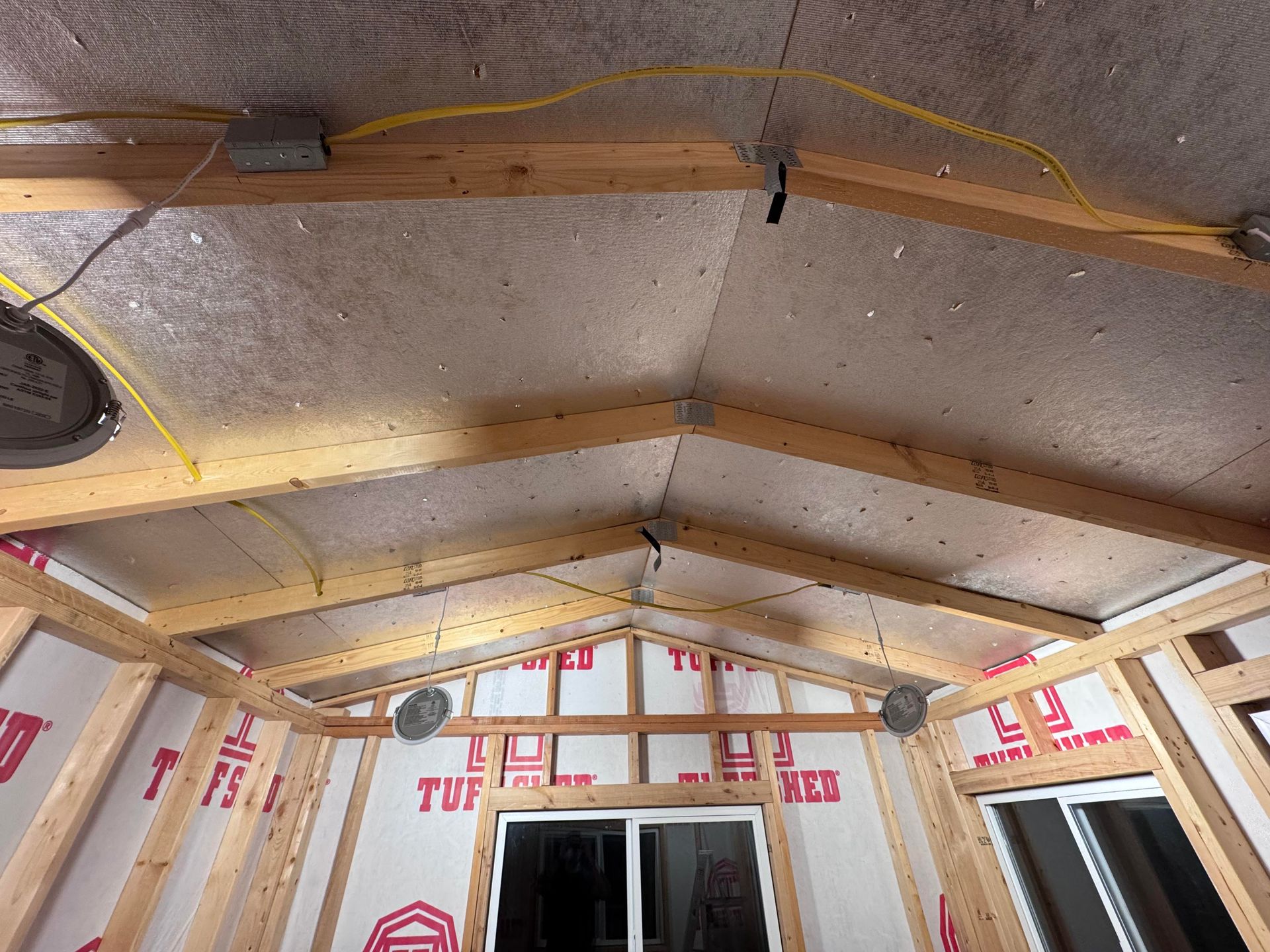
Cathedral Ceiling Insulation


Sloped ceilings leave little room for insulation between drywall and roof. Spray foam delivers a high R-value in shallow rafter bays while sealing the air paths that often cause stains and condensation.
Black horizontal rounded line on a white background

THE WORD ON OUR WORK

What Our Clients Say.

The best feedback often comes after the first cold snap, when homeowners realize the upstairs finally feels warm. Our reviews describe steadier bedrooms, quieter furnaces, and a crew that kept dust and debris out of the living space. See what they wrote and share your own story afterward.
    Black horizontal line on a white background
    FAQ

    Frequently Asked Questions.

    Attics are out of sight, so the questions usually start with what is actually happening up there. These answers cover what homeowners most often ask us before scheduling attic work.

      How does attic insulation improve energy efficiency?

      It creates a thermal barrier between your living space and the attic, slowing heat transfer in both directions. Your heating and cooling system works less, energy use drops, and temperatures stay more consistent throughout the year.

      What type of attic insulation does TrueFoam LLC install?

      TrueFoam LLC installs spray foam attic insulation for homes throughout Pittsburgh, Pennsylvania. Foam both insulates and air seals, and we recommend the application method that best fits your roof framing and energy goals.

      How long does attic insulation installation usually take?

      Most residential attic projects are completed in one to two days. Timing depends on the attic's size, access, and current condition, and we confirm the schedule during your estimate so there are no surprises.

      How much insulation does an attic in this region need?

      ENERGY STAR recommends R-49 to R-60 for uninsulated attics in Climate Zone 5, which includes the Pittsburgh area. Existing attics with some insulation often need R-38 to R-49 more to reach that range.

      Should foam go on the roof deck or the attic floor?

      It depends on the attic. Roof deck foam suits attics holding ductwork or equipment, while floor-level sealing works when the attic stays unconditioned. We explain which option fits after our inspection.

      Can attic insulation help stop ice dams?

      It helps a great deal. Most ice dams form when heat escaping from the house warms the roof deck. Sealing and insulating the attic keeps that heat inside, so snow melts more evenly across the roof.

      Does sealing the attic affect bathroom fans or recessed lights?

      Yes, and we plan around both. Bathroom fans must vent outdoors rather than into the attic, and older recessed lights may need rated covers or replacement before foam goes near them.

      Why choose TrueFoam LLC for attic insulation in Pittsburgh, Pennsylvania?

      TrueFoam LLC is locally owned and led by an owner with 45+ years of insulation experience. Homeowners in Pittsburgh, Pennsylvania, get free quotes, American-made materials, and a crew that leaves the attic and living space clean.

      Short black horizontal line on a white background
      How We Work

      From a Leaky Attic to a Steady Second Floor, Here is How.

      STEP 01

      We Climb up and Look
      Our inspection starts in the attic itself. We check existing insulation depth, look for moisture stains, frost marks, and dust trails, and note how ducts, vents, bathroom fans, and wiring run through the space and where they exit.

      STEP 02

      We Plan the Depth
      Based on what we find, we recommend roof deck or floor-level foam and the thickness needed to reach your target R-value. You get a clear quote outlining the scope, the materials, the expected results, and the timeline for the work.

      STEP 03

      We Clear the Way
      Stored boxes come out, access points get covered, and living areas below are protected from dust. Any old insulation that would block the foam from bonding properly to wood is removed before spraying begins.

      STEP 04

      We Seal the Penetrations
      Wiring holes, plumbing stacks, chimney chases, and top plates get sealed first. Closing those small but numerous openings stops the air leaks that cause the biggest comfort problems in the bedrooms and hallways below.

      STEP 05

      We Spray to Spec
      Technicians apply foam in even passes to the planned depth, building a continuous layer across the roof deck or attic floor with no gaps at corners, eaves, valleys, or around rafters and other framing members.

      STEP 06

      We Confirm the Result
      We check the finished foam for thickness and coverage, clean up the attic and access area, and walk you through what we did and why. Most families notice the difference in their upstairs rooms within the first few cold nights.