Basement Insulation in Pittsburgh, Pennsylvania
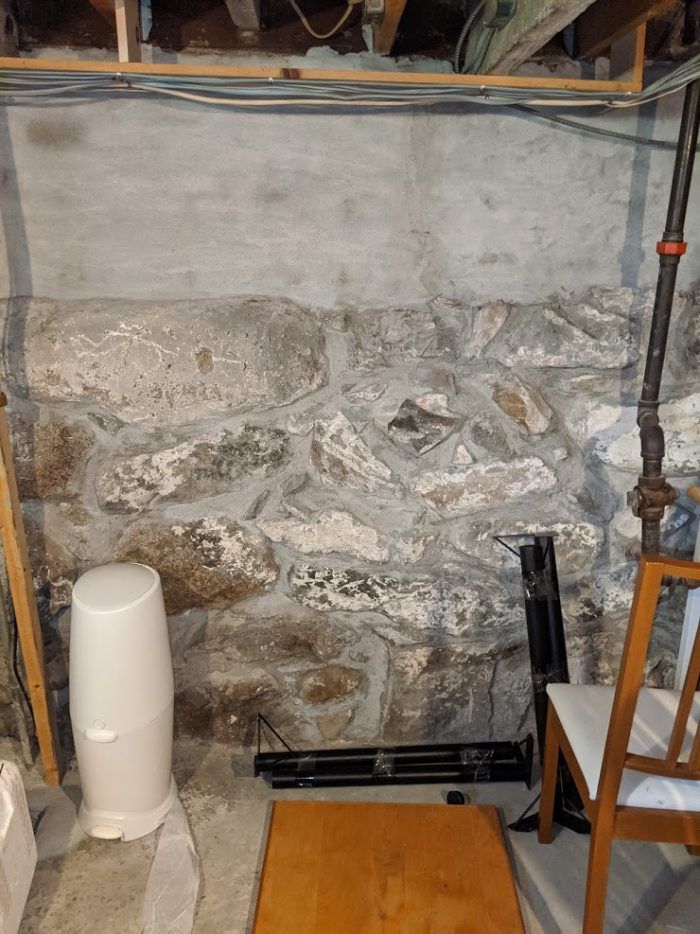
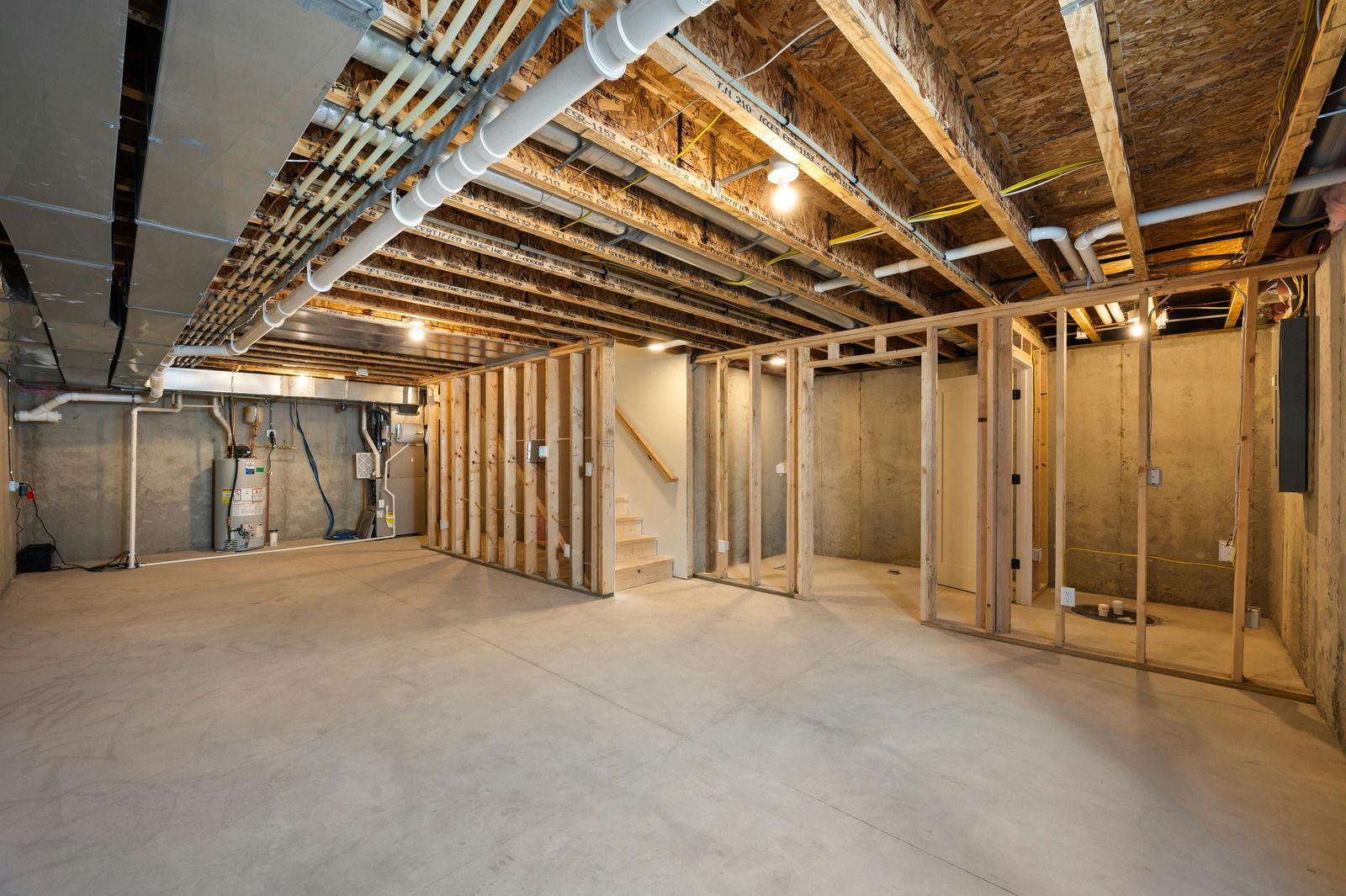
A Cold Basement Chills the Whole House Above It.
Concrete and masonry pull heat out of a basement all winter long, and that chill rises through the subfloor into kitchens, hallways, and living rooms, leaving bare feet cold on tile and hardwood. Damp air collects along the cold walls, feeding musty smells and the mildew that ruins stored boxes, drywall, and carpet in finished spaces.
Sealing and insulating those walls changes how the lower level feels, how the upstairs floors feel underfoot, and how hard your furnace has to work through the coldest months.
- Warmer floors on the main level
- Less musty, damp basement air
- A stronger base for finishing
- Lower heating costs each winter
Turn the Lower Level into Space Your Family Actually Uses.
Pittsburgh Foundations Come in Every Age and Material.
Damp Block Walls Don't Surprise Us Anymore.
What an Insulated Basement Delivers
Reduced Energy Costs
Improved Indoor Air Quality
Moisture and Mold Prevention
More Comfortable Living Space
Higher Home Value
Less Outside Noise
our services
Our Basement Insulation Work
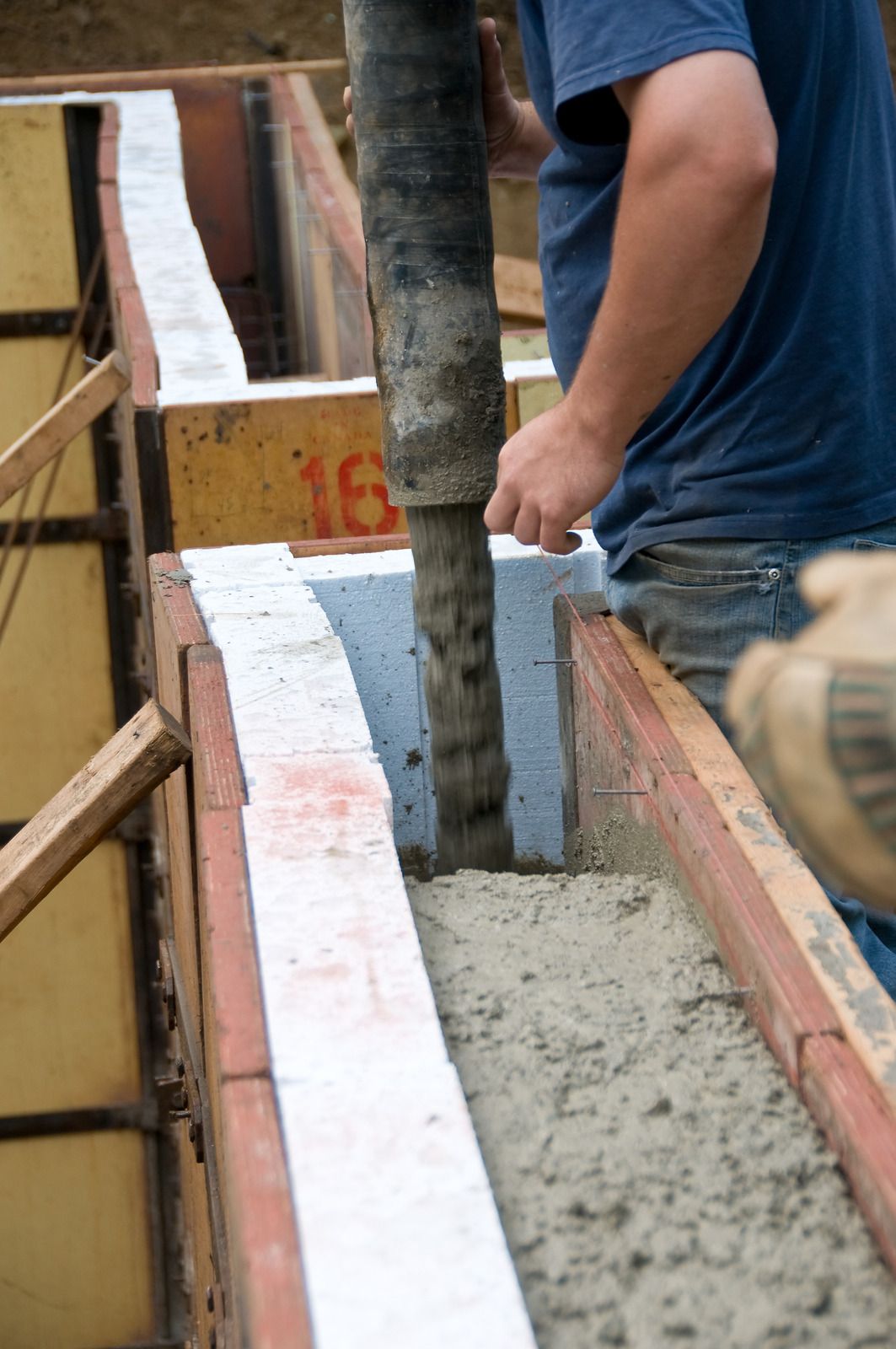
Poured Concrete Wall Insulation
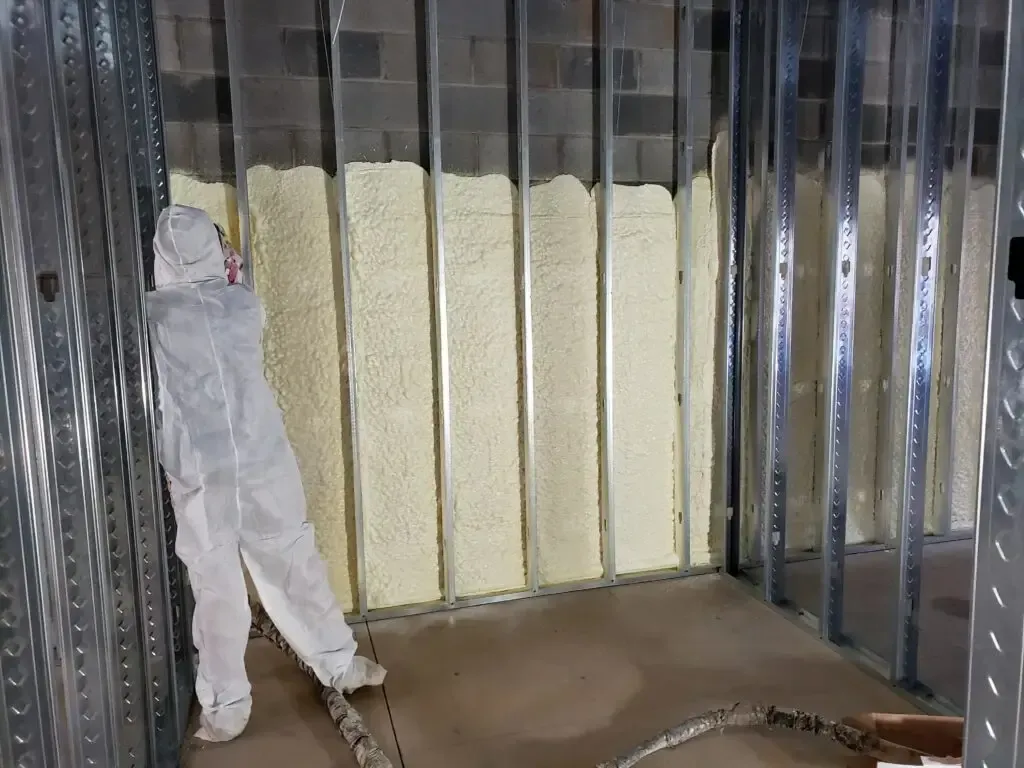
Concrete Block Wall Insulation
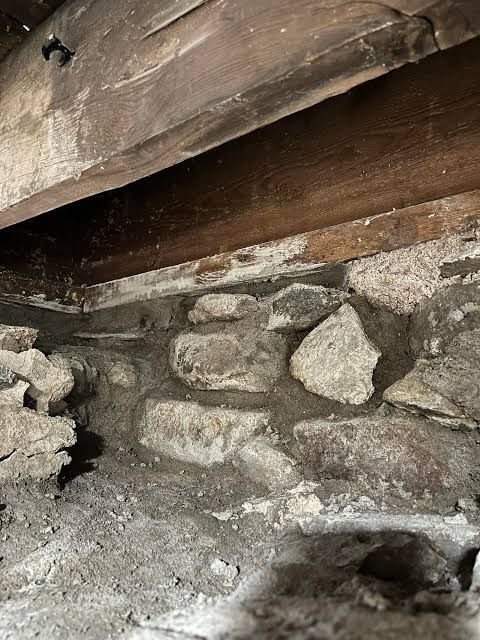
Stone Foundation Wall Insulation
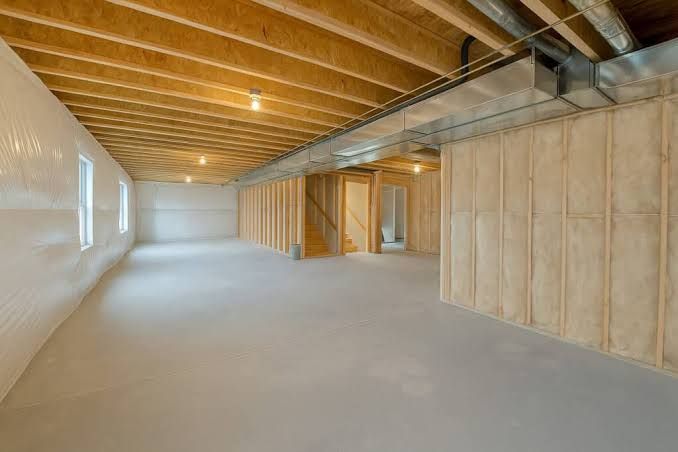
Pre-Finishing Basement Insulation
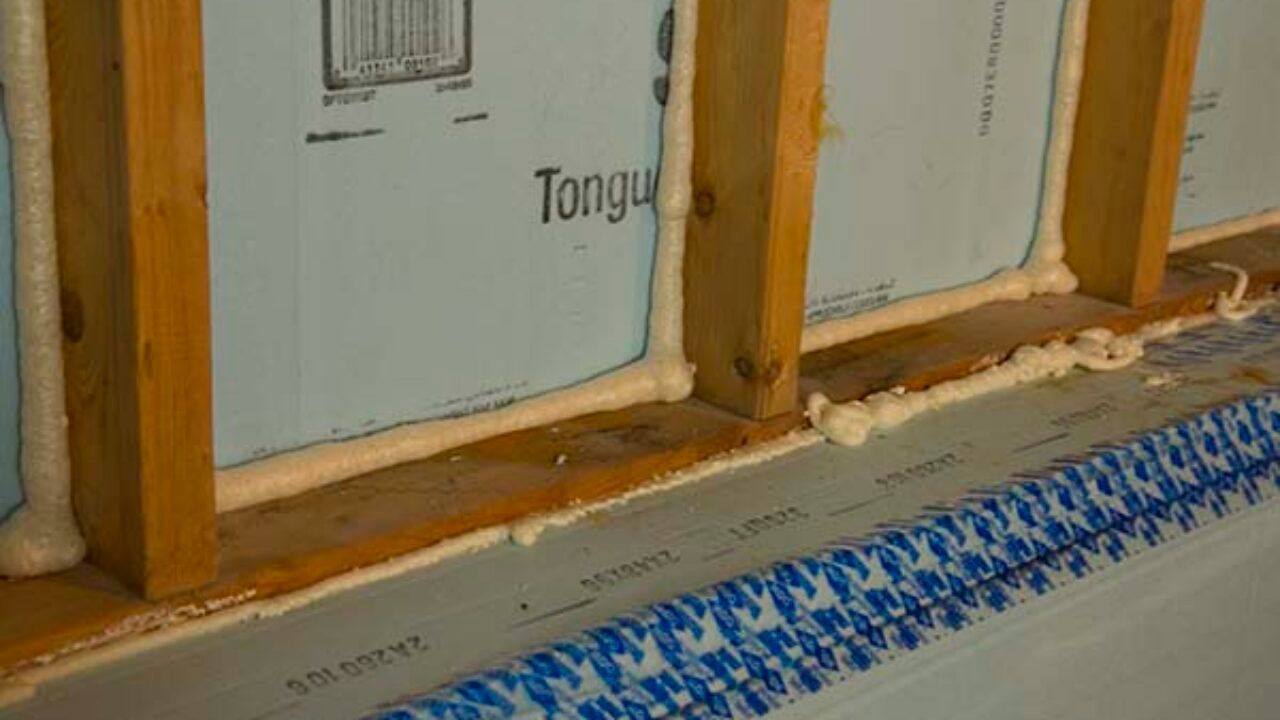
Walkout and Daylight Wall Insulation
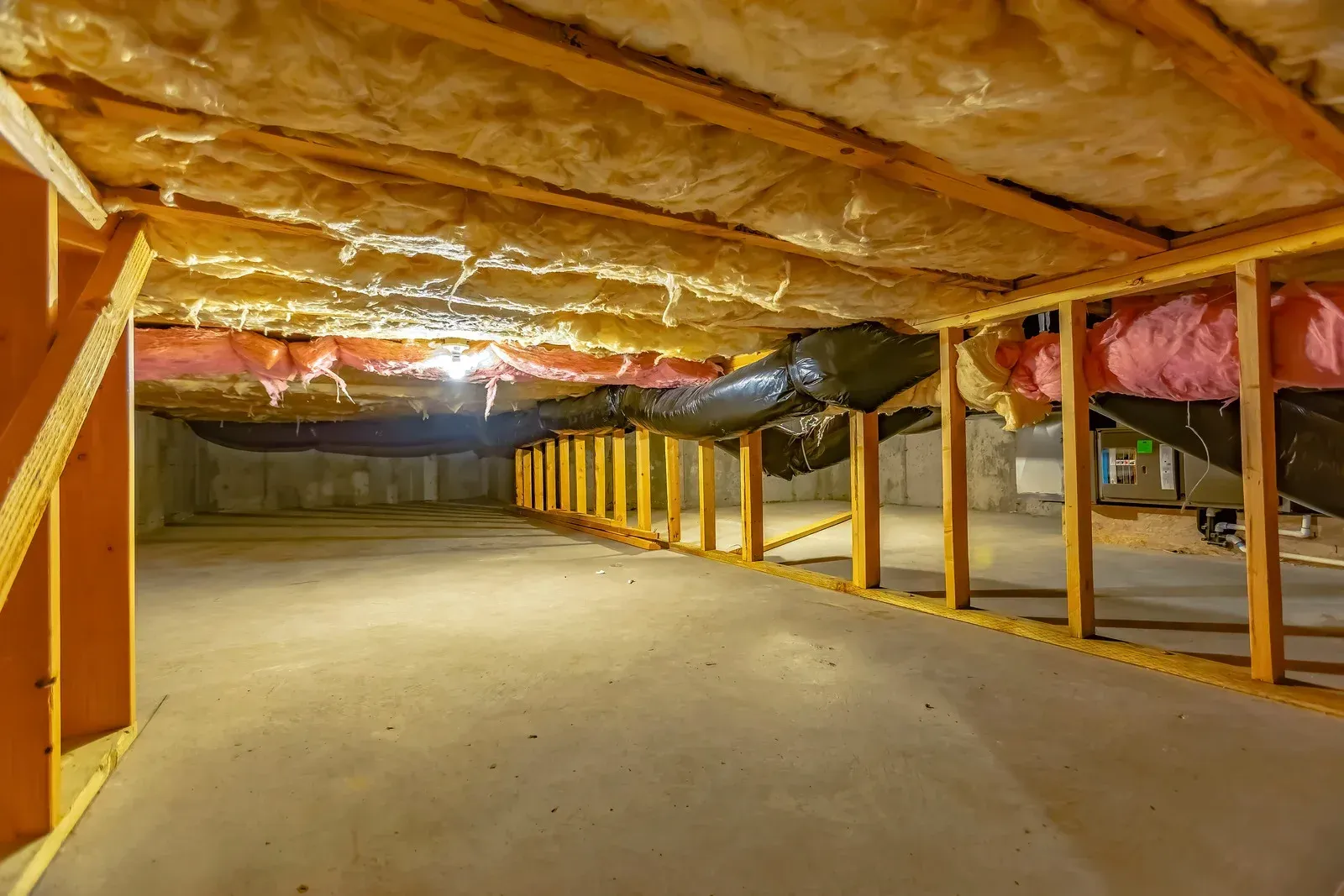
Basement Ceiling Insulation
THE WORD ON OUR WORK
What Our Clients Say.
Frequently Asked Questions.
What are the benefits of insulating my basement?
Basement insulation lowers energy costs, improves indoor air quality, and helps prevent moisture and mold problems. It also makes the space more comfortable, adds home value, and reduces outside noise reaching the lower level.
What type of insulation does TrueFoam LLC use for basements?
TrueFoam LLC uses spray foam insulation for basement walls throughout Pittsburgh, Pennsylvania. Foam bonds to concrete, block, and stone, sealing air leaks and resisting the condensation that forms on cold masonry surfaces.
How long does a basement insulation project take?
Most residential basement projects are completed within one to three days. Size, wall condition, and access all affect timing, and we give you a more accurate schedule during your free consultation.
Can spray foam fix a basement that leaks water?
No. Foam insulates and seals air leaks, but active water entry from cracks, poor grading, or failed drainage needs repair first. We point out any water issues we see before recommending insulation.
Does spray foam on basement walls need to be covered?
In most cases, yes. Building codes require foam in occupied spaces to sit behind an approved thermal barrier, such as half-inch drywall. We explain what your space will need during planning.
Should I insulate the basement walls or the ceiling?
Insulate the walls if you heat or plan to use the basement. Insulate the ceiling when the basement stays unheated and you want to separate it from the living space above.
Will insulating the basement help with musty smells?
Often, yes. Musty odors usually come from damp air condensing on cold walls. Warmer, sealed surfaces reduce that condensation, although persistent moisture sources should still be corrected for lasting results.
Why do homeowners trust TrueFoam LLC with basement insulation?
Homeowners in Pittsburgh, Pennsylvania, trust TrueFoam LLC for our owner's 45+ years of experience, honest moisture assessments, American-made materials, free quotes, and crews that keep the rest of the house clean.
From Cold Concrete to a Room You'll Use, Here is How.
STEP 01
We Check the Walls
STEP 02
We Explain Your Options
STEP 03
We Prep the Surface
STEP 04
We Foam the Foundation
STEP 05
We Inspect the Finish
STEP 06