Black horizontal line near the left side on a white background
Residential Spray Foam Insulation

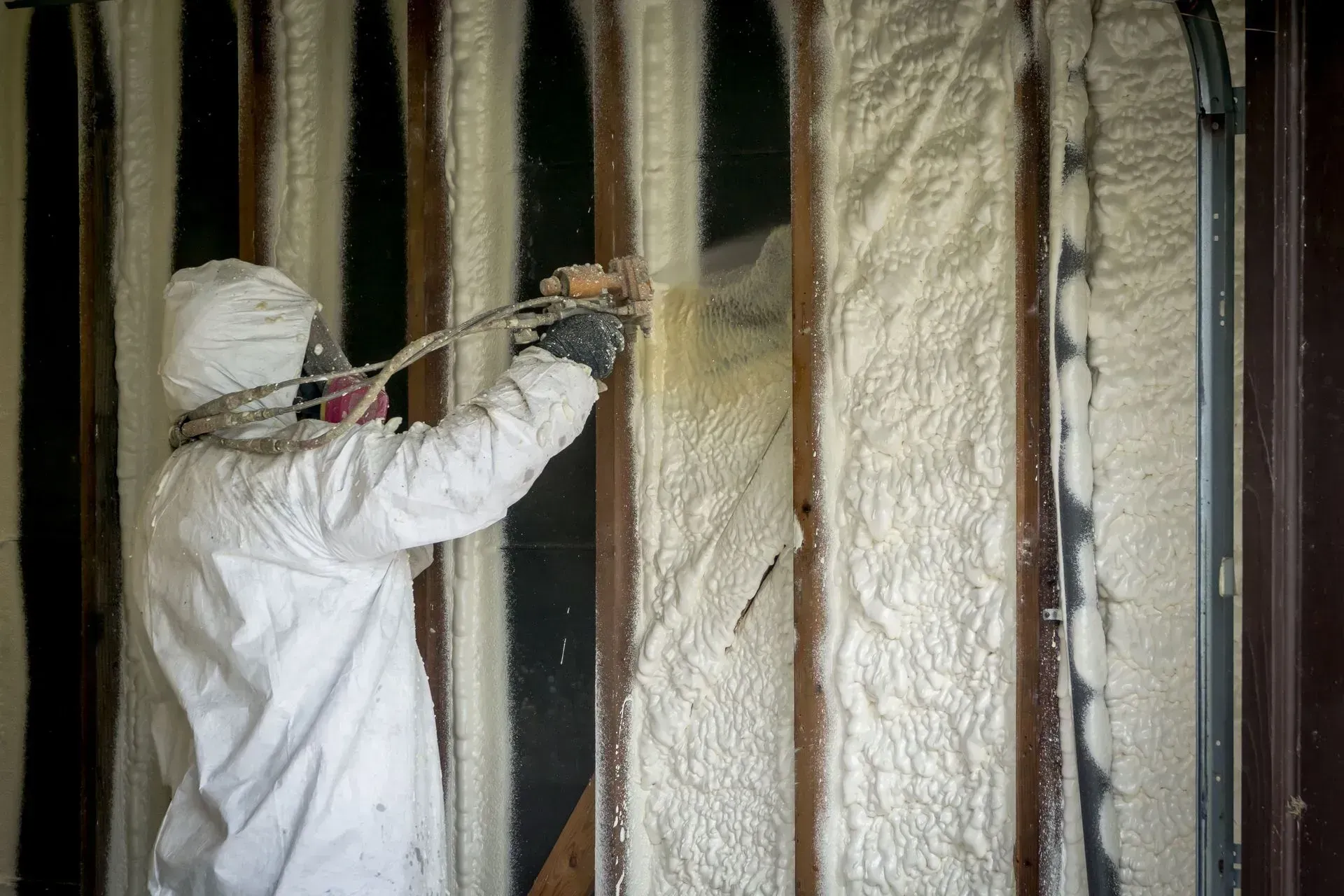
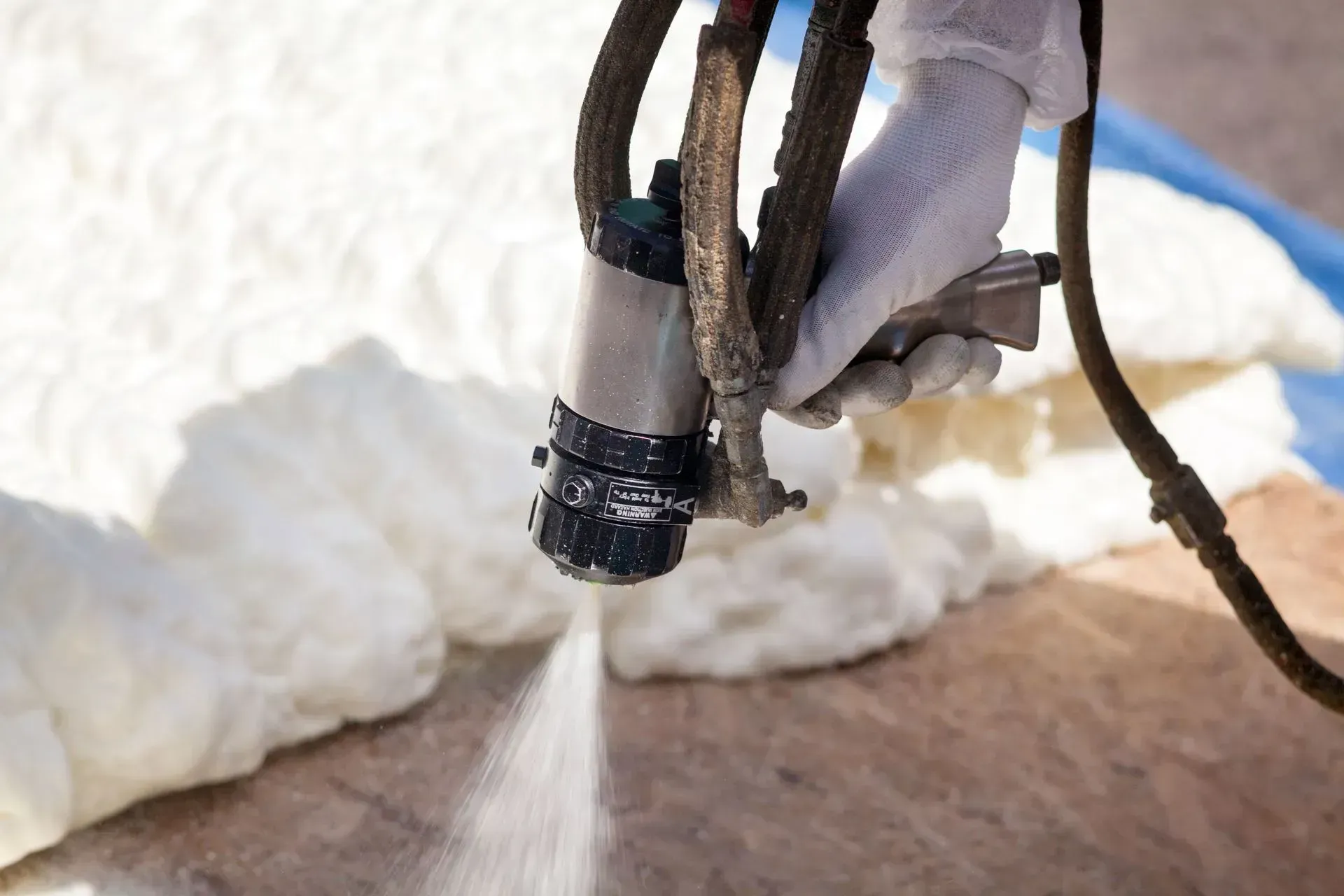
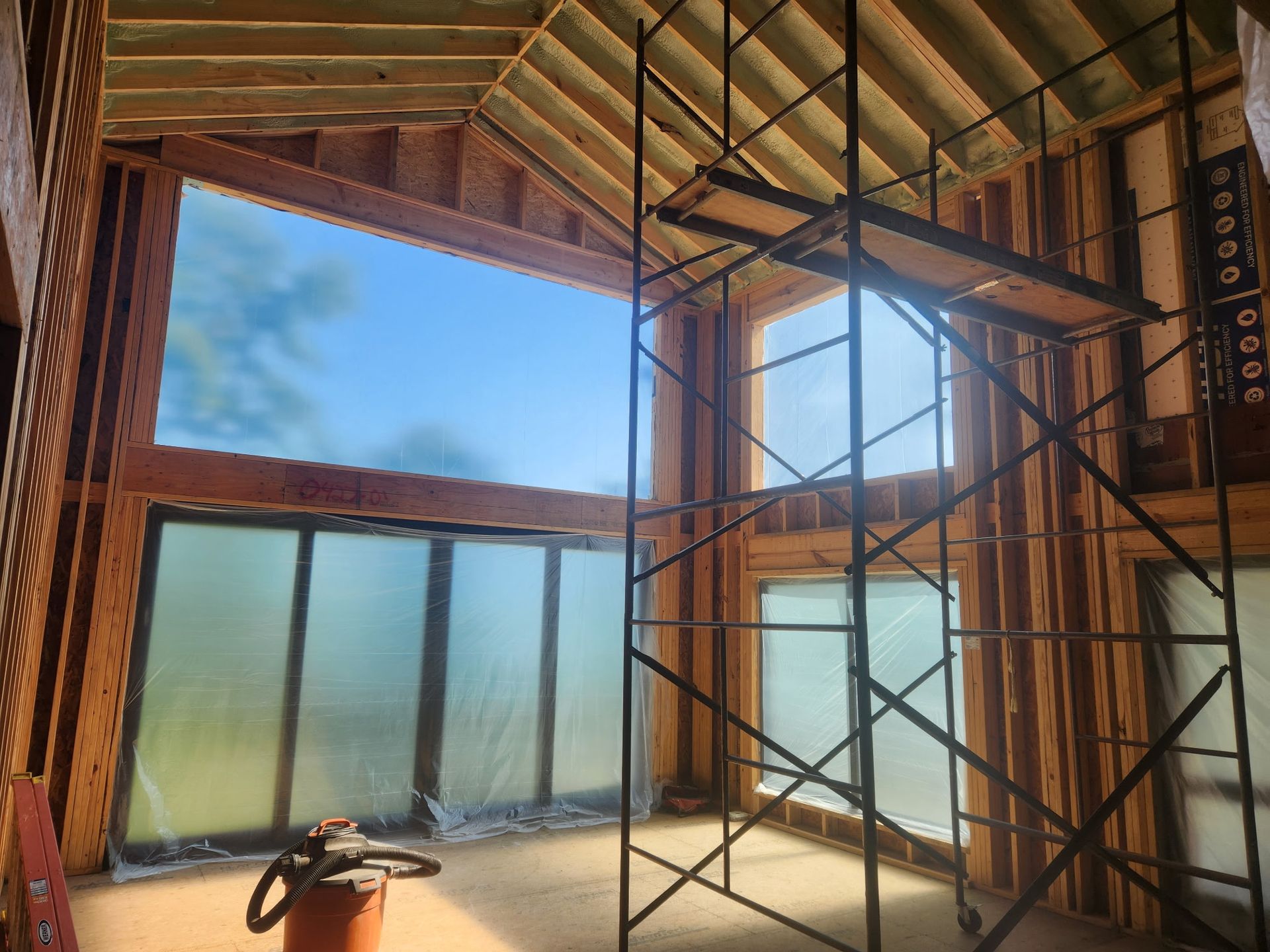
Closed-cell spray foam insulates at roughly R-6 to R-7 per inch, about double what the same thickness of fiberglass batts delivers, and it seals air leaks in the same pass, something batts can never do. TrueFoam LLC applies residential spray foam insulation across Pittsburgh, Pennsylvania, in attics, exterior walls, basements, and retrofit projects inside older homes. Our crew measures where drafts and moisture enter, then selects the foam type and depth that suit each area. As a locally owned team using American-made materials, we treat every home as its own project rather than a copy of the last one we finished.
Construction workers pouring concrete at a building site, with a truck in the background
Wet concrete pouring from a truck chute onto a construction site, forming a gravelly slab surface

Warm Floors, Quiet Rooms, and Bills That Stop Climbing.

Most homes lose comfort through gaps nobody can see: the seam where a wall meets the attic, the hole drilled for a cable line, the sill plate resting on the foundation. Spray foam expands into those openings and cures into a solid, airtight layer, so heated air stays inside and outdoor air stays out.

The result is a house that feels the same from the first floor to the bedrooms upstairs, whatever the forecast says.

  • Seals and insulates in one step
  • Fills irregular framing completely
  • Resists sagging and settling
  • Suits older and newer homes alike
Black horizontal line on a white background
Residential Spray Foam Insulation

Your Home Should Hold the Heat You Pay for.

Every winter, furnaces across Allegheny County run long cycles to replace warm air that leaks out through the attic and walls. Spray foam slows that loss at the source instead of asking your equipment to keep up. Homeowners notice fewer cold spots near windows, steadier temperatures between floors, and a furnace that cycles less often. In summer, the same seal keeps humid outdoor air from creeping in and making rooms feel sticky.

Built for Pittsburgh Houses, from Rowhomes to Ranches.

Housing here spans century-old brick in city neighborhoods, postwar Cape Cods in the suburbs, and newer construction in the northern townships. Each style leaks differently, with balloon framing, plaster walls, and stone foundations creating their own challenges. We plan every application around the framing we find, the moisture your home sees, and the rooms you use most, so the foam solves the problems your home actually has.

One Owner, 45+ Years of Learning Where Houses Leak.

Our owner learned this trade long before the first TrueFoam LLC truck rolled out, and that history shapes how our crew reads a house before any foam is mixed. We know which attic corners hide air leaks, which basement walls tend to sweat, and how to protect finished rooms during the work. That background keeps projects predictable and results consistent. Wondering what spray foam could change in your own home before winter settles in?

What a Sealed Home Delivers

Black-and-white icon of a hand operating a conveyor belt over rows of logs or bottles
Energy Savings
An airtight foam layer limits heat moving in and out of the house through walls and ceilings, which means your heating and cooling equipment runs less often and uses less energy through every season.
Black-and-white icon of a saw cutting through stacked bricks and a woven pattern above them
Moisture Control
Spray foam blocks the humid air that condenses on cold framing, lowering the risk of mold, mildew, and the damp smells that often settle into attics and lower levels.
A black tire-track icon above a row of tires and brick pattern, suggesting off-road or tread-related signage
Enhanced Comfort
Even temperatures replace cold spots near windows and stuffy upstairs bedrooms, so every room in the house feels usable instead of leaving a few spaces everyone avoids during winter or summer.
Black-and-white icon of a chainsaw cutting into a stacked pile of logs or bricks
Structural Support
Closed-cell foam bonds to studs and sheathing as it hardens, stiffening walls, roof decks, and attic framing and adding a level of long-term durability that loose fill or batt insulation simply cannot provide.
Black safety icon with a drill above a brick wall and round hazard symbol.
Improved Indoor Air Quality
Fewer air leaks mean less pollen, dust, and outdoor pollution drifting in through wall cavities, a practical advantage for anyone in the household who deals with seasonal allergies or asthma triggers.
Black and white tire tread with a small vehicle icon above it
Noise Reduction
Filling cavities with foam dampens traffic, lawn equipment, and neighborhood noise, helping bedrooms, nurseries, and home offices stay noticeably calmer throughout the day and during the evening hours.
Black horizontal rounded line on a white background

our services

Our Residential Spray Foam Work
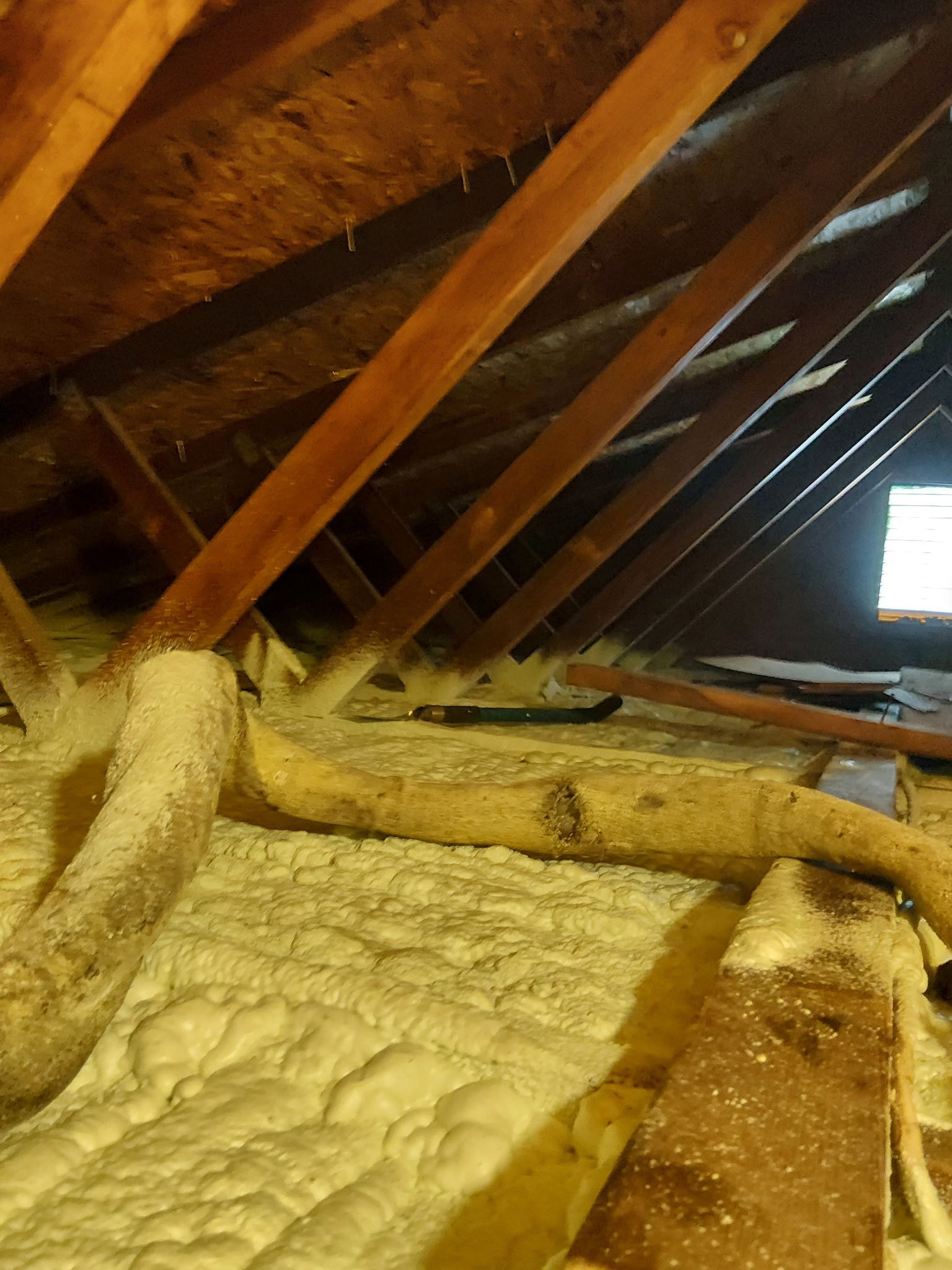
Spray foam belongs in more places than the attic. We apply it wherever a home loses heat or lets moisture in, from the roofline down to the basement, in both new and existing houses.
Template premium 99
Roof Line

Attic Insulation


Foam applied to the attic floor or the underside of the roof deck stops the largest source of heat loss in most houses and helps keep upstairs rooms comfortable in both January and July without overworking the furnace.
Template premium 99
Exterior Walls

Wall Insulation


Exterior walls gain a continuous seal around outlets, windows, and framing gaps. Open stud bays in remodels and additions fill completely, leaving no voids where cold air or outdoor noise can slip through.
Template premium 99
Lower Level

Basement Insulation


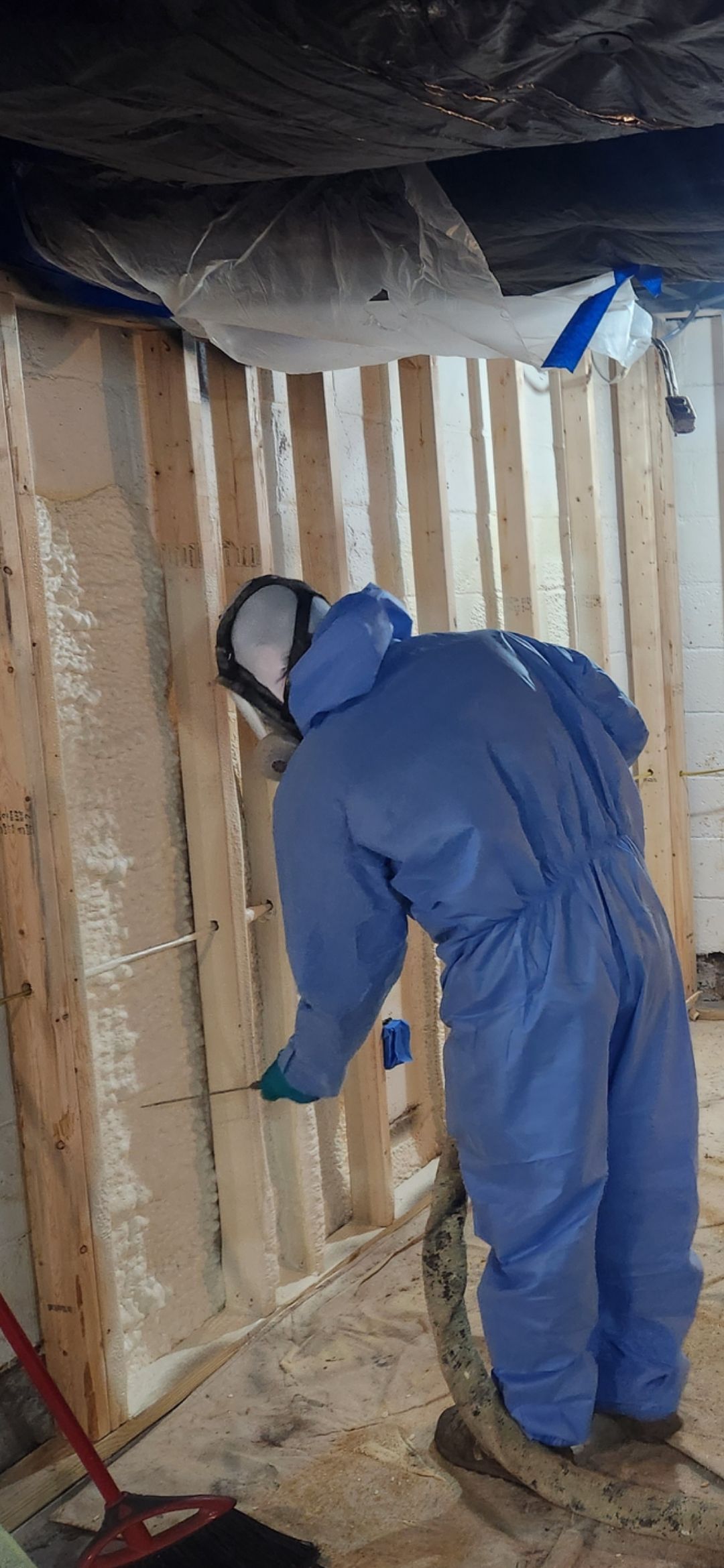
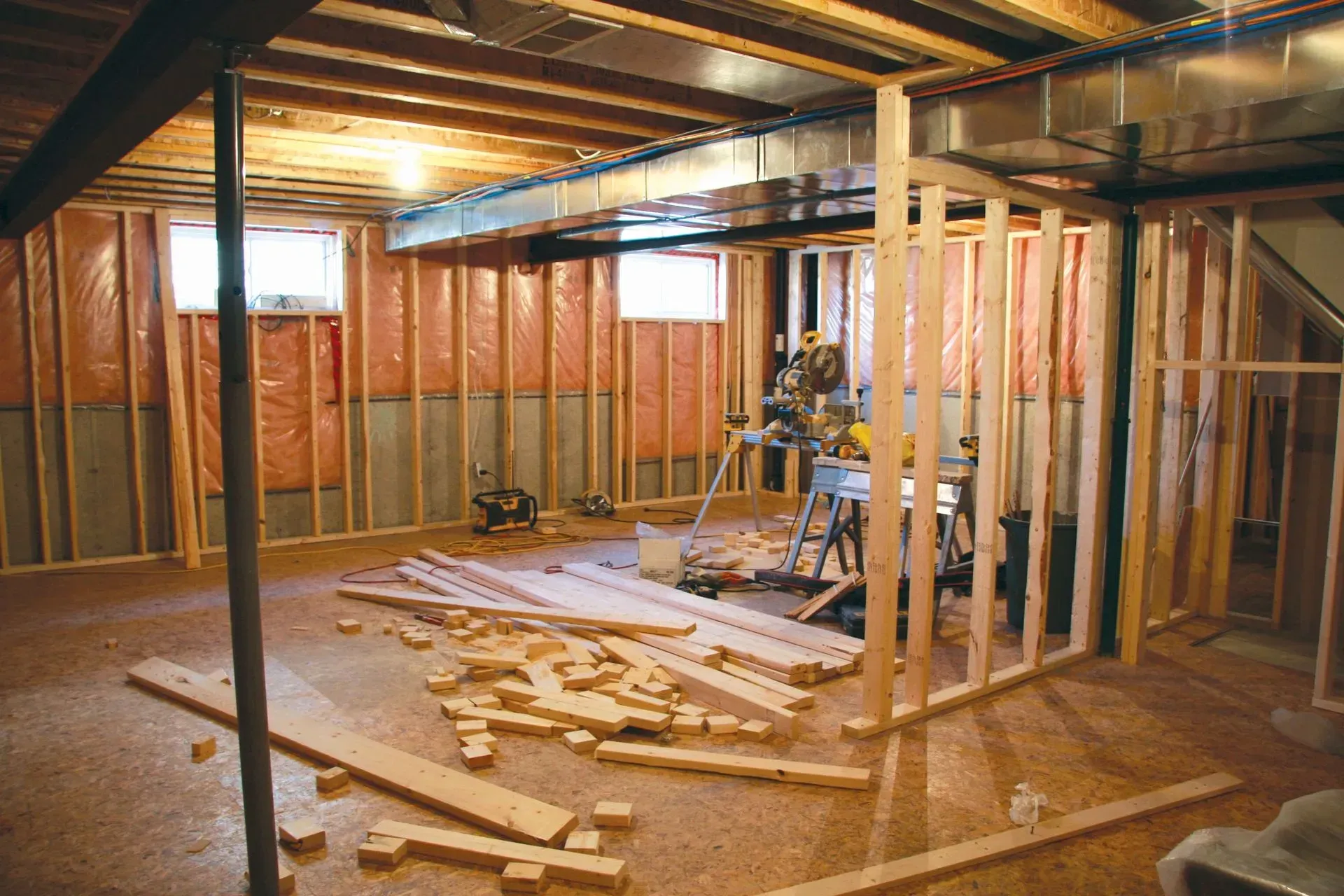
Cold, damp foundation walls turn basements into storage spaces nobody enjoys. Foam on block or poured concrete walls warms the room, controls damp air, and prepares the space for a future family room or workshop.
Template premium 99
Fresh Framing

New Construction Insulation


Open framing lets foam reach every cavity before drywall closes it off. Builders and homeowners get an airtight envelope from the start, with fewer drafts, fewer comfort complaints, and lower energy use after move-in day.
Template premium 99
Older Homes

Retrofit Insulation


Existing homes can still gain a tighter shell. We target accessible attics, basements, and open walls during renovations, adding real comfort and efficiency without rebuilding the house or tearing out finished rooms to make room for new insulation.
Template premium 99
Openings

Around Windows and Doors


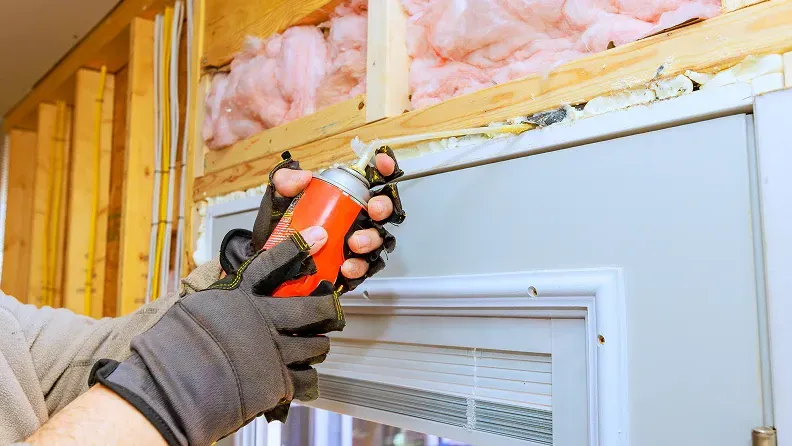
Rough openings around windows and exterior doors often leak more air than the units themselves. Sealing those gaps with foam stops drafts that raise utility bills and chill nearby seating areas.
Black horizontal rounded line on a white background

THE WORD ON OUR WORK

What Our Clients Say.

Homeowners across the region share what it felt like to walk into a warmer house the week after our crew finished. Their reviews talk about clear communication, careful protection of finished rooms, and a clean site afterward. Read their stories and add your own once your project is complete.
    Black horizontal line on a white background
    FAQ

    Frequently Asked Questions.

    Spray foam is a bigger upgrade than rolling out another layer of batts, so homeowners ask plenty before committing. These answers cover the questions we hear most often during residential estimates.

      How long does spray foam insulation last in a home?

      Properly installed spray foam can last for the life of the house. It does not sag, settle, or break down the way fiberglass and cellulose can, so it keeps performing for decades without top-offs.

      Is spray foam insulation safe for my family?

      Yes, once it has cured. TrueFoam LLC installs spray foam in homes across Pittsburgh, Pennsylvania, and asks families to stay out during application and the manufacturer's re-entry period. Cured foam is inert and stable.

      Should an older home get foam in the attic or the walls first?

      The attic usually comes first. Warm air rises and escapes through the top of the house, so sealing the attic often brings the biggest comfort gain before walls or the basement are addressed.

      Does spray foam need to be covered after installation?

      In living spaces, building codes require foam to sit behind an approved thermal barrier, such as half-inch drywall. Attics and crawl spaces entered only for service may need an ignition barrier instead.

      Can spray foam go over the insulation I already have?

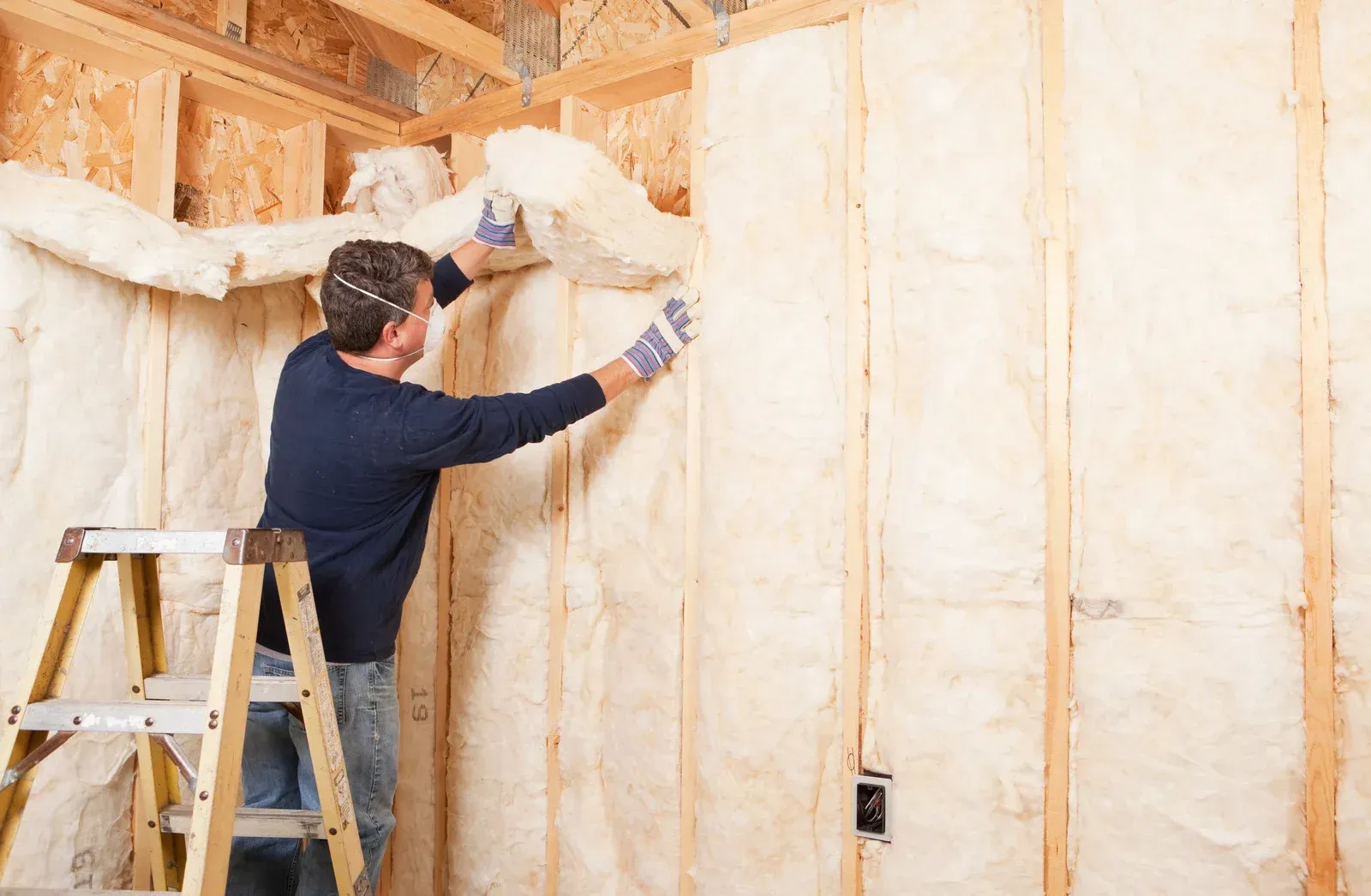
      Usually not. Foam needs to bond directly to framing or sheathing, so old batts or loose fill in the way typically come out first. Removing them also exposes air leaks worth sealing.

      How long does a residential spray foam project take?

      Many single-area projects, such as an attic or basement, wrap up in one to three days. Whole-home jobs take longer, and we confirm a realistic schedule during your free estimate so you can plan around it.

      Will spray foam make my house too airtight?

      A tighter house is a better house, but it still needs fresh air. Very airtight homes often benefit from mechanical ventilation, and we can flag this during planning so you can discuss it with your HVAC contractor.

      Why do homeowners choose TrueFoam LLC for residential spray foam?

      Homeowners in Pittsburgh, Pennsylvania, choose TrueFoam LLC for our owner's 45+ years of experience, American-made materials, free quotes, competitive pricing, and crews that protect finished rooms and leave the site clean.

      Short black horizontal line on a white background
      How We Work

      From Drafty Rooms to a Sealed Home, Here is How.

      STEP 01

      We Walk the House
      Our visit starts with the rooms that bother you most. We check the attic, walls, basement, and framing, look for moisture and air leaks, and note wiring, vents, or damage that could affect the installation.

      STEP 02

      We Match the Foam
      Using what we found, we recommend where foam belongs, which type suits each area, and how thick it should go. You receive a clear quote that explains the full plan, the materials, and the expected timing in plain language.

      STEP 03

      We Protect Your Space
      On installation day, we cover floors, furniture, windows, and anything nearby that should stay clean. Work areas get masked off and ventilated so the rest of your home, including finished rooms and belongings, stays protected throughout the job.

      STEP 04

      We Apply in Layers
      Technicians spray the foam in controlled passes, letting each layer expand and set before adding the next. This builds an even, consistent thickness that fills cracks, seams, and cavities completely, without the overexpansion that can push against drywall or trim.

      STEP 05

      We Verify Coverage
      Before anyone packs up, we inspect the cured foam for gaps, thin spots, or missed corners. Anything that falls short of the planned thickness gets corrected on the spot, not left for a return visit weeks later.

      STEP 06

      We Leave It Clean
      Our crew removes coverings, trims overspray where needed, hauls away debris, and walks the space with you. You get a finished project, a clean home, and a clear explanation of what changed, ready for the colder weather ahead.