Black horizontal line near the left side on a white background
Commercial Building Insulation

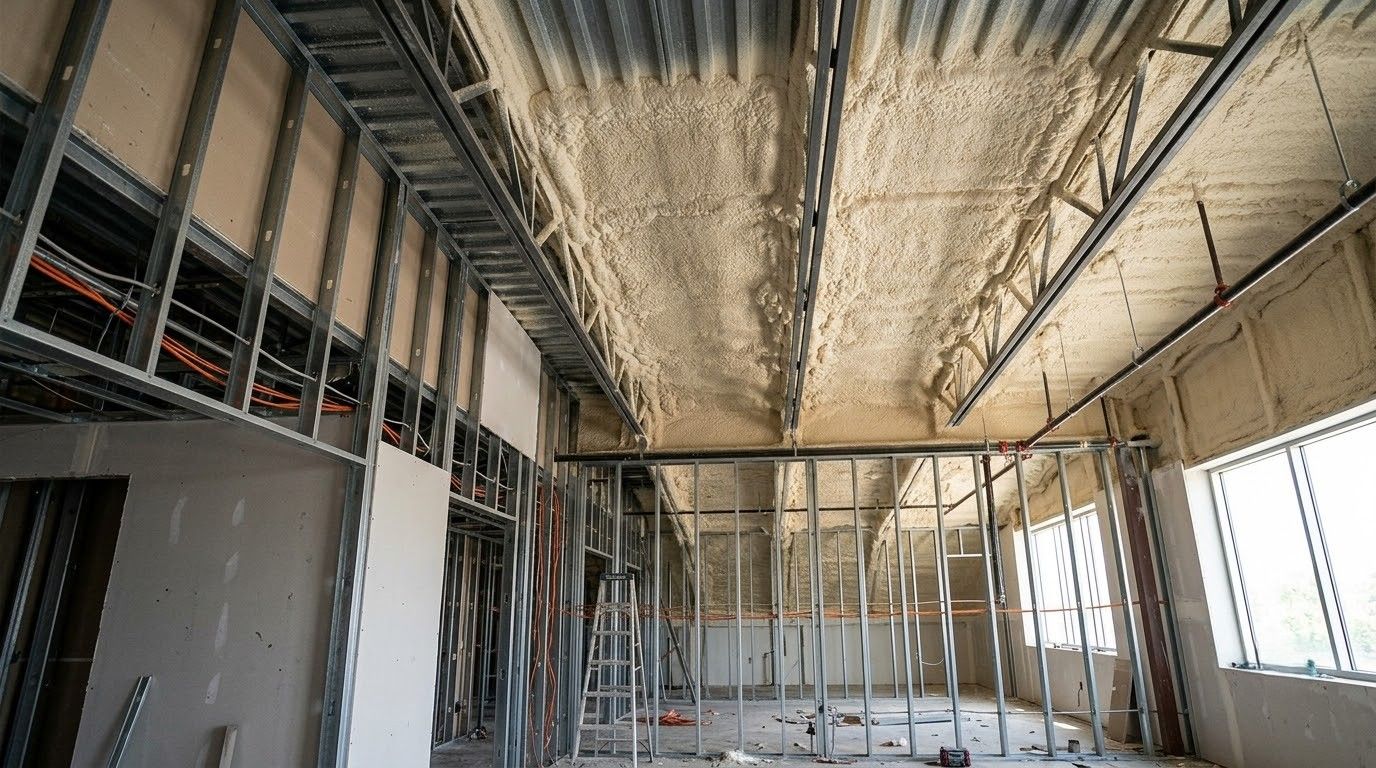
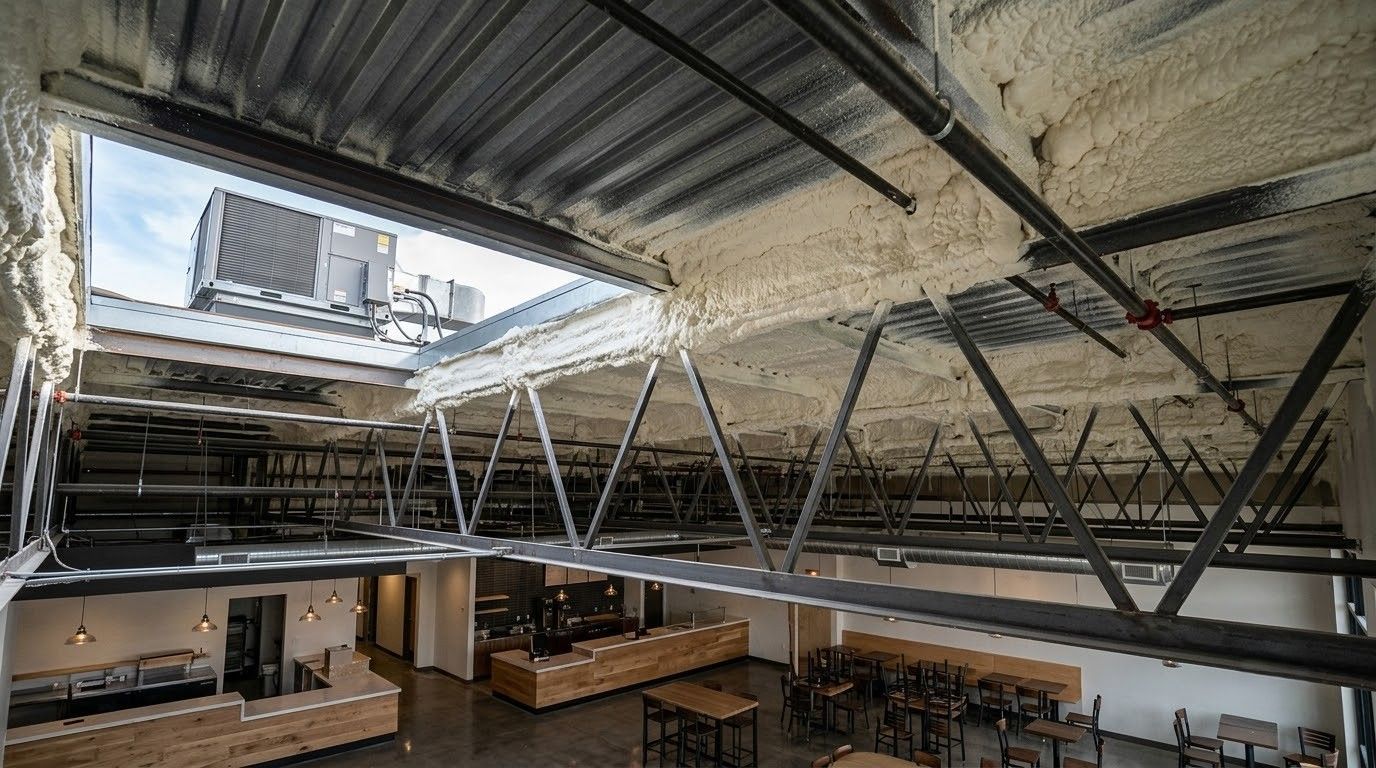
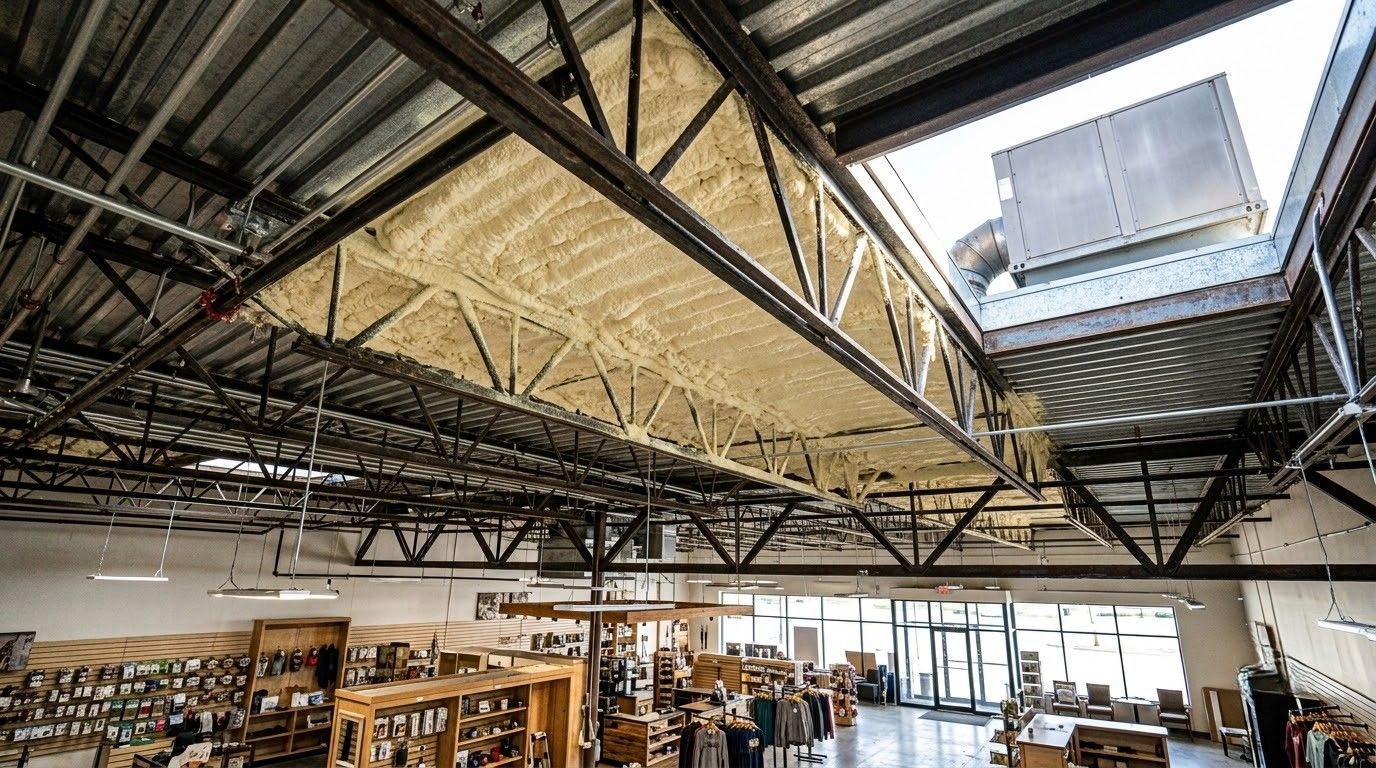
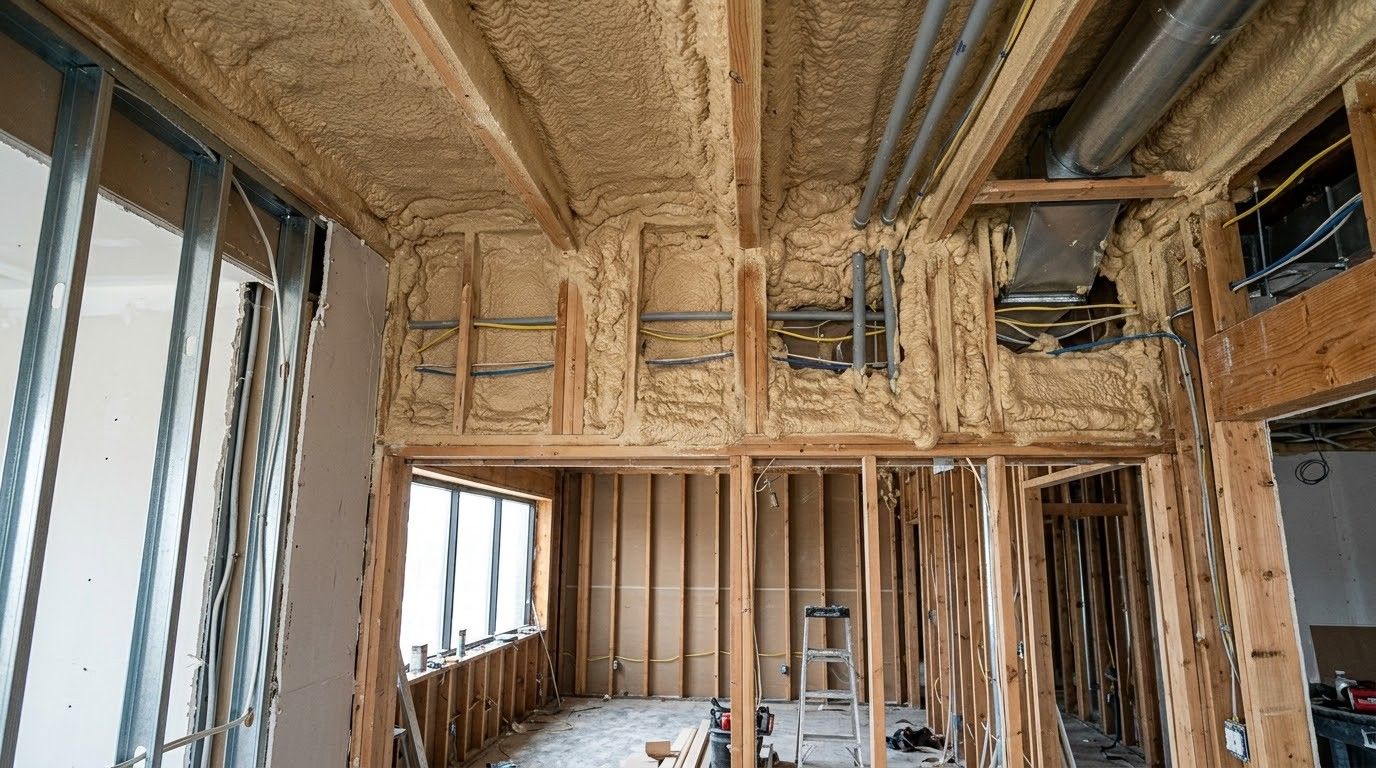
Steel framing conducts heat far faster than wood, so every girt, purlin, and stud in a metal building acts as a thermal bridge that bleeds energy straight through the walls and roof all winter long. TrueFoam LLC provides commercial building insulation in Pittsburgh, Pennsylvania, applying spray foam to warehouses, offices, churches, schools, retail spaces, and municipal buildings. Foam bonds to steel, masonry, and wood decks, sealing seams while insulating across the framing members that batts and blankets leave exposed. Our locally owned crew uses American-made materials and carefully plans each commercial project around your building's size, occupancy, and daily operations.
Construction workers pouring concrete at a building site, with a truck in the background
Wet concrete pouring from a truck chute onto a construction site, forming a gravelly slab surface

Every Leaky Seam in a Big Building Shows up on the Utility Bill.

Large roofs, tall walls, and overhead doors give commercial buildings enormous surface area for heat to escape. Metal panel seams, roof decks, and gaps where walls meet the foundation let conditioned air leak out around the clock, forcing rooftop units, boilers, and unit heaters to run far longer than they should, even when the building sits empty overnight.

Sealing that envelope turns wasted operating costs into savings you can see each month, while making the space more comfortable for everyone who works or gathers inside.

  • Lower heating and cooling costs
  • Seals seams in metal and masonry
  • Steadier temperatures for occupants
  • Less wear on mechanical equipment
Black horizontal line on a white background
Commercial Building Insulation

Your Building Should Work as Hard as Your Business.

Employees, customers, congregations, and students all notice when a building runs cold in winter or stuffy in summer. Spray foam gives commercial spaces a continuous thermal layer that keeps temperatures steady from the loading dock to the front office. It also reduces condensation on cold roof decks, quiets outside noise, and helps protect inventory and equipment from swings in temperature. Owners and facility managers gain a building that is easier to operate and more comfortable to occupy.

Western Pennsylvania Buildings Come in Every Shape and Age.

The region's commercial stock ranges from brick buildings over a century old to modern steel warehouses along the river corridors and new retail centers in the suburbs. Each type loses energy differently, and many have been added onto several times. We look at construction type, roof design, and how each space is used before recommending foam, so the plan fits a church hall as well as a manufacturing floor.

Square Footage is Where Small Mistakes Get Expensive.

A thin spot on a residential attic is a minor issue, but the same error repeated across 20,000 square feet of roof deck becomes a costly one. Our owner has spent 45+ years learning how to apply foam consistently over large areas, and our crew carries that discipline to every commercial job. We measure, spray, and verify with care. Would a clear plan for your facility help you budget with confidence?

What Commercial Foam Insulation Delivers

Black-and-white icon of a hand operating a conveyor belt over rows of logs or bottles
Reduced Energy Costs
A sealed, insulated envelope cuts the heat lost through walls and roofs, lowering the fuel and electricity needed to keep your building comfortable and freeing budget for other priorities.
Black-and-white icon of a saw cutting through stacked bricks and a woven pattern above them
Improved Indoor Comfort
Offices, sales floors, and classrooms hold steady temperatures without drafts or hot spots, helping employees stay productive, focused, and comfortable and customers stay longer during every season of the year.
A black tire-track icon above a row of tires and brick pattern, suggesting off-road or tread-related signage
Enhanced Sound Control
Foam in walls and roof assemblies dampens rain on metal roofs, traffic outside, and noise between spaces, making meeting rooms, sanctuaries, classrooms, and offices quieter and far easier to use.
Black-and-white icon of a chainsaw cutting into a stacked pile of logs or bricks
Increased Property Value
Energy-efficient buildings cost less to operate and appeal to tenants, lenders, and buyers. A well-insulated envelope strengthens the long-term value of the property you own or manage.
Black safety icon with a drill above a brick wall and round hazard symbol.
Compliance with Building Codes
Commercial energy codes set minimum insulation and air leakage requirements. Spray foam helps new construction, additions, and major renovations meet those standards while outperforming many traditional insulation methods.
Black and white tire tread with a small vehicle icon above it
Extended HVAC System Lifespan
When the envelope holds conditioned air, rooftop units, furnaces, and chillers run fewer hours. Less runtime means less wear, fewer repairs, and a longer service life for costly equipment.
Black horizontal rounded line on a white background

our services

Our Commercial Insulation Work
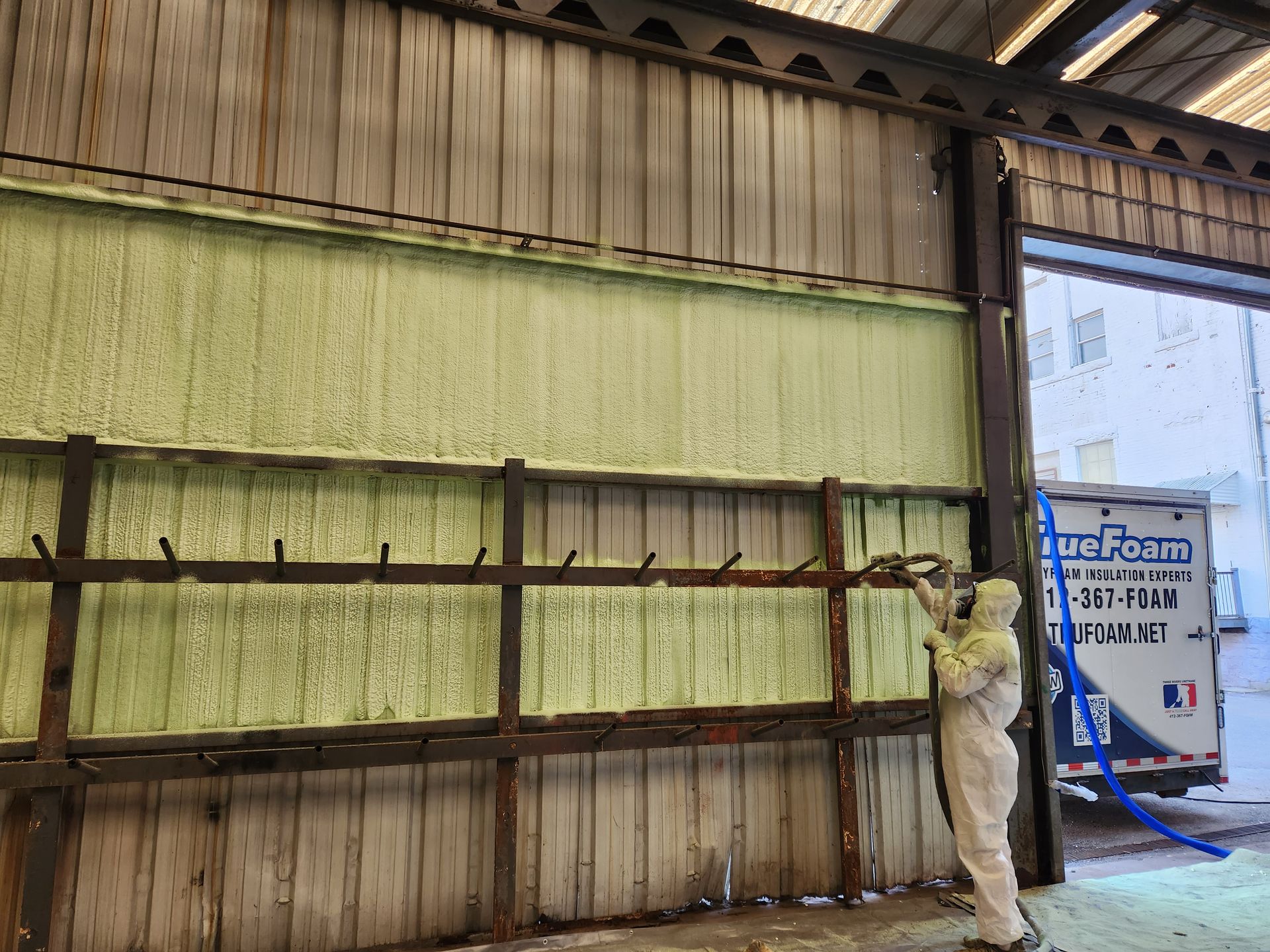
We insulate commercial and institutional buildings of many sizes and uses. Each project is planned around the building's construction, its occupants, and the operating schedule you need to keep.
Template premium 99
Industrial

Industrial Buildings


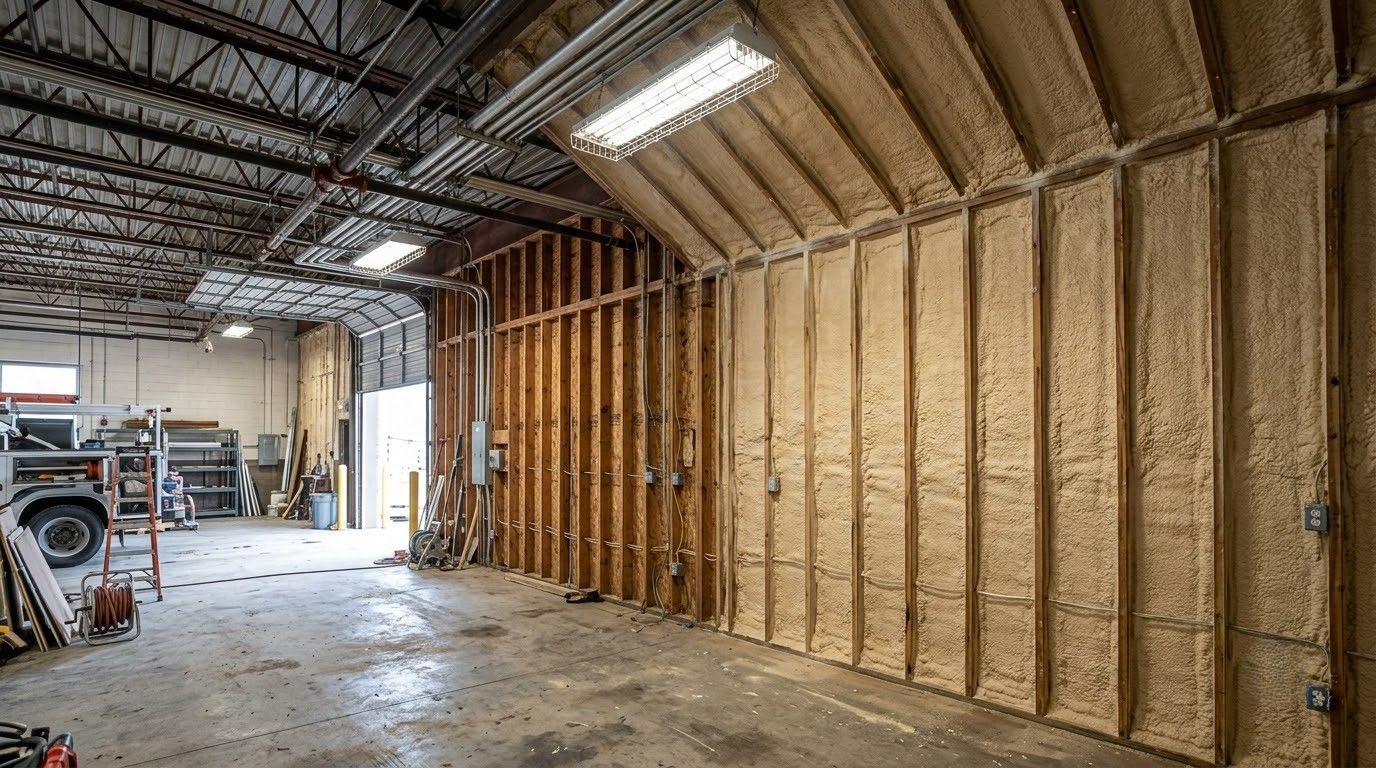
Warehouses, manufacturing plants, and cold storage facilities receive foam on walls and roof decks, controlling temperatures for workers, inventory, and machinery while reducing the condensation that forms on cold steel surfaces.
Template premium 99
Municipal

Municipal Facilities


Fire stations, public works buildings, and water treatment plants need dependable comfort and low operating costs. Foam insulation helps public buildings protect taxpayer budgets while keeping crews and equipment comfortable.
Template premium 99
Worship

Religious Institutions


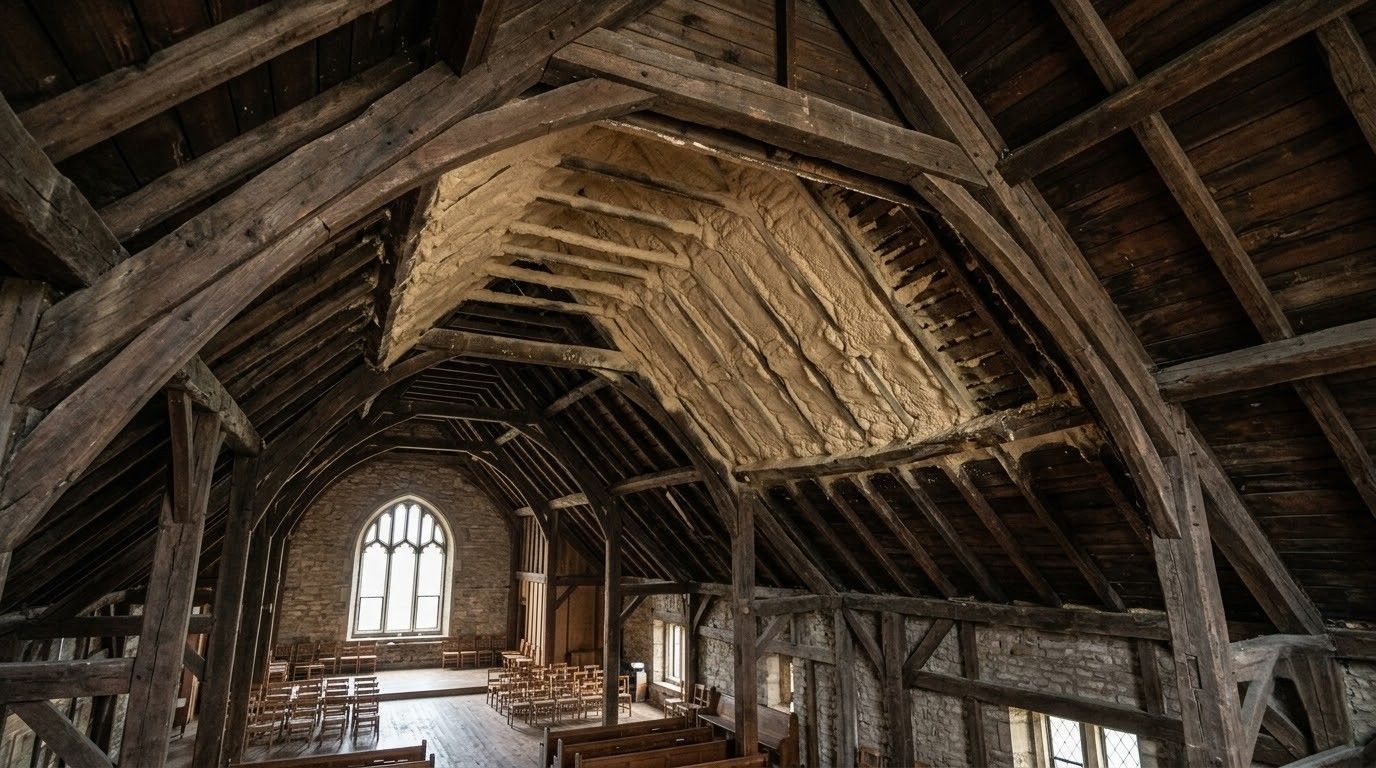
Churches, temples, mosques, and fellowship halls often have high ceilings and older construction. Foam seals and insulates those large spaces so services, events, and gatherings stay comfortable without runaway heating bills.
Template premium 99
Retail

Retail and Commercial Spaces


Shopping centers, restaurants, gas stations, and auto dealerships benefit from steady temperatures that keep customers comfortable, protect products, and reduce the energy costs that steadily eat into margins.
Template premium 99
Offices

Office and Medical Buildings


Corporate offices, clinics, law firms, and banks need quiet, comfortable interiors. Foam improves temperature control, reduces noise between rooms, and helps sensitive exam rooms and records areas stay consistent throughout the day.
Template premium 99
Education

Educational Facilities


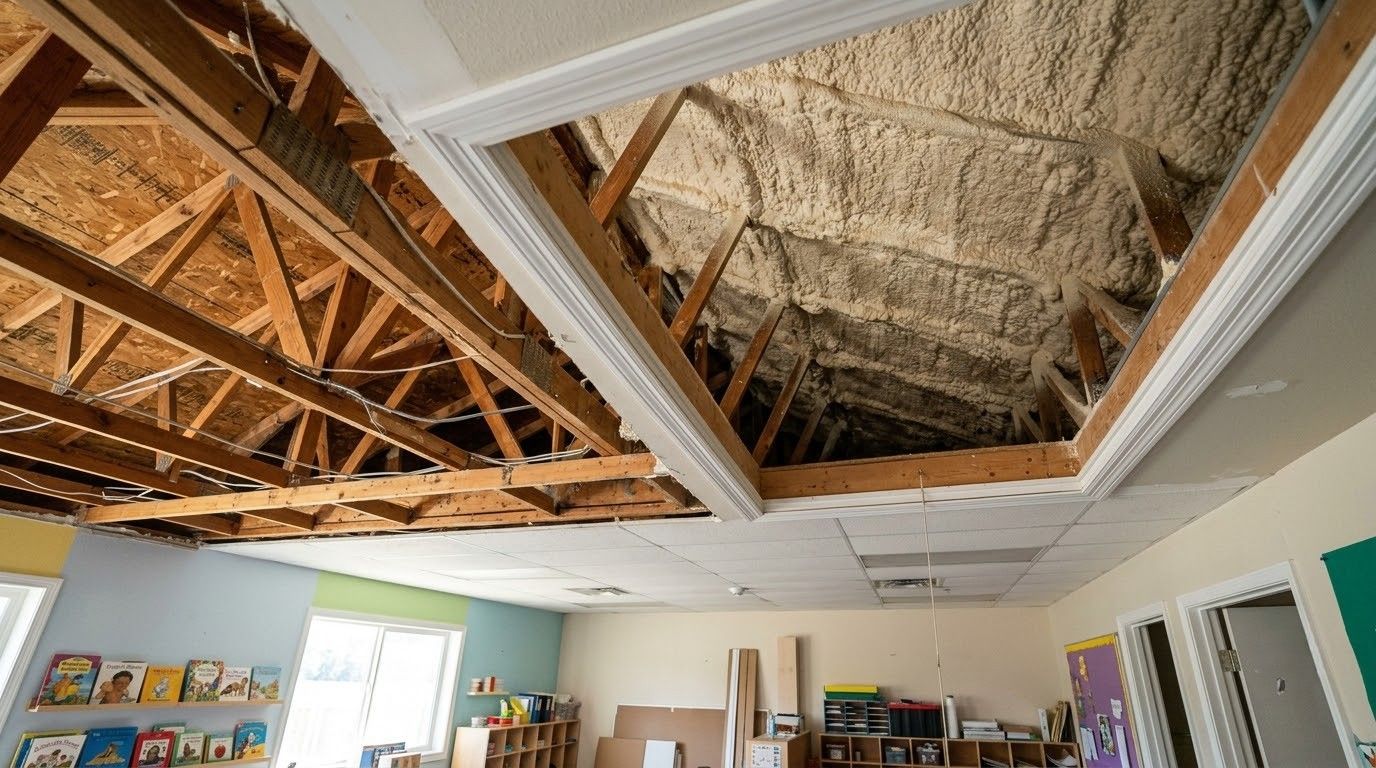
Schools, universities, and daycare centers serve people who need comfortable, healthy spaces to learn. Foam insulation steadies classroom temperatures, quiets hallways, and helps administrators control long-term facility costs.
Black horizontal rounded line on a white background

THE WORD ON OUR WORK

What Our Clients Say.

Business owners and facility managers describe lower utility bills, fewer comfort complaints, and a crew that worked around their operations. Our reviews also mention clear communication from estimate to final walkthrough. Read their experiences, then share yours once your building project is complete and running.
    Black horizontal line on a white background
    FAQ

    Frequently Asked Questions.

    Commercial projects bring practical questions about daily operations, building codes, scheduling, and return on investment. These answers address what owners and facility managers most often ask us before work begins.

      What types of insulation does TrueFoam LLC offer for commercial buildings?

      TrueFoam LLC offers spray foam insulation for commercial buildings throughout Pittsburgh, Pennsylvania. We apply it to metal, masonry, and wood assemblies, adapting the approach to each building's construction and use.

      How can proper insulation benefit my commercial building?

      It reduces energy costs, improves indoor comfort, and enhances sound control. Proper insulation also increases property value, supports building code compliance, promotes sustainability, and extends the service life of your HVAC equipment.

      Can you work around our business hours?

      We plan commercial projects around your operations whenever possible, sequencing work by area and discussing timing during the estimate. Occupants stay out of active spray zones until the manufacturer's re-entry period passes.

      Does spray foam help with condensation on metal roofs?

      Yes. Condensation forms when warm, humid indoor air meets cold steel. Foam applied directly to the roof deck keeps that surface warmer and seals out moist air, greatly reducing drips onto inventory and equipment.

      Does commercial spray foam need a protective covering?

      Often, yes. Building codes typically require foam in occupied spaces to be separated by an approved thermal barrier or to use an assembly tested for that application. We review requirements for your building during planning.

      Can spray foam be applied in occupied buildings?

      In many cases, yes, by working in sections. We isolate each area, ventilate it during application, and keep occupants out until re-entry is safe, so the rest of the building can stay in use.

      How long does a commercial insulation project take?

      Timing depends on square footage, access, and the areas included. Smaller buildings may take a few days, while larger facilities require phased scheduling that we lay out clearly in your quote.

      What sets TrueFoam LLC apart from other insulation contractors?

      Businesses in Pittsburgh, Pennsylvania, choose TrueFoam LLC for local ownership, an owner with 45+ years of experience, American-made materials, competitive pricing, fast and efficient crews, and free quotes on every project.

      Short black horizontal line on a white background
      How We Work

      From Site Walk to Sealed Building, Here is How.

      STEP 01

      We Walk the Facility
      We tour the building with you, looking at roof decks, walls, overhead doors, and existing insulation. We note construction type, condensation signs, occupancy patterns, and any access limitations that affect scheduling.

      STEP 02

      We Scope and Schedule
      Our recommendation outlines where foam belongs, the depth for each assembly, and a phased schedule that fits your operations. The quote details scope, materials, and timing so you can plan budgets accurately.

      STEP 03

      We Isolate Work Zones
      Each area is sectioned off, with equipment, inventory, and finishes covered and protected. We set up ventilation and signage so employees, customers, and visitors stay safely clear of active spray zones.

      STEP 04

      We Coat the Envelope
      Using lifts where needed, technicians spray roof decks and walls in controlled passes, sealing seams and covering girts, purlins, and other framing members to build a continuous insulated layer across large surfaces.

      STEP 05

      We Measure the Results
      We check foam thickness across each section to confirm it matches the specified depth. Any thin areas or missed seams are corrected before a zone is released back to your team.

      STEP 06

      We Return the Space
      Coverings come down, debris leaves the site, and each area is cleaned before reopening. We review the finished work with your facility contact and share details useful for maintenance records.