Black horizontal line near the left side on a white background
New Construction Spray Foam Insulation

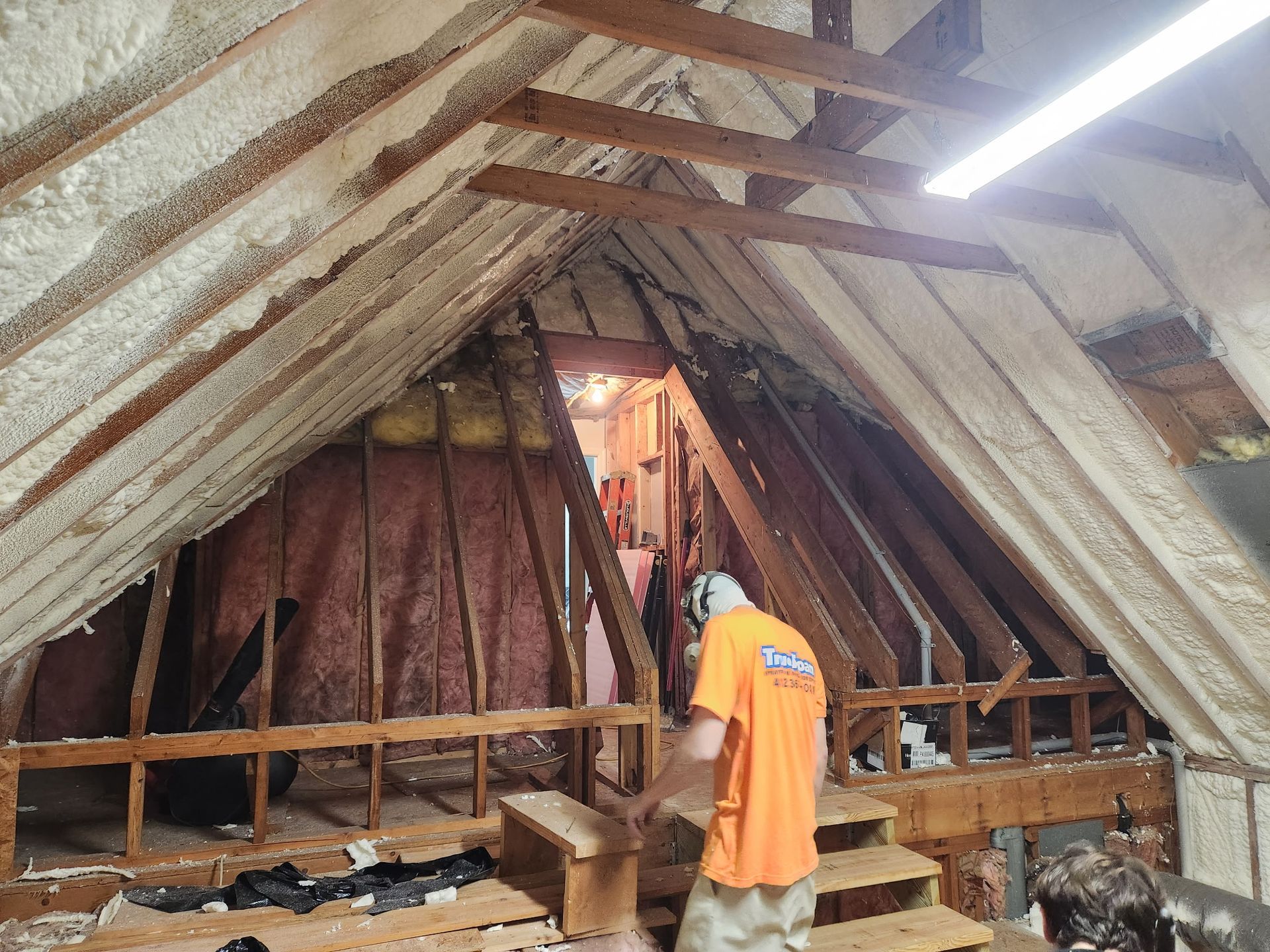
Since its 2012 edition, the International Energy Conservation Code has called for new homes in Climate Zones 3 through 8 to test at 3 air changes per hour or less during a blower door test, although local adoption and amendments vary by state and municipality. TrueFoam LLC provides new construction spray foam insulation in Pittsburgh, Pennsylvania, sealing and insulating walls, attics, rooflines, and basements while the framing is still open. We coordinate with builders, general contractors, and owner-builders so foam goes in after rough-in and before drywall. Our locally owned crew uses American-made materials and keeps pace with demanding construction schedules.
Construction workers pouring concrete at a building site, with a truck in the background
Wet concrete pouring from a truck chute onto a construction site, forming a gravelly slab surface

Open Framing is the Best Chance You'll Get to Insulate Right.

Once drywall goes up, every gap around wiring, plumbing, and framing is sealed inside the walls for good. During construction, foam can reach every cavity, joint, and penetration, creating an airtight envelope before any finish work begins. That is far easier, cleaner, and more complete than retrofitting a finished home years later.

Getting insulation right at this stage protects comfort, energy performance, indoor air, and the building itself for decades, long after the last contractor has left the site.

  • Airtight envelope from day one
  • Complete coverage before drywall
  • Supports energy code compliance
  • Fewer callbacks after move-in
Black horizontal line on a white background
New Construction Spray Foam Insulation

Build a Home That Feels Finished the Day It's Done.

New homes should not arrive with drafty rooms or cold floors. Spray foam applied during construction seals the gaps that batts miss around wiring, boxes, and plates, so the house holds heat and humidity levels from the first night. Owners move into steady temperatures and lower bills, and builders hand over homes that perform the way the plans intended. It is one of the most cost-effective moments to invest in the building envelope.

New Neighborhoods Around Pittsburgh Are Built Tighter Now.

Subdivisions in the northern and southern suburbs, infill homes in city neighborhoods, and custom builds on hillside lots all face long heating seasons and humid summers. Energy codes and buyer expectations continue to push for tighter, better-insulated homes. We work with builders and owners on projects of many sizes, planning foam around framing type, roof design, and the blower door and insulation inspections local officials may require.

Builders Keep Their Schedules When We Keep Ours.

Construction runs on timing, and a delayed insulation crew holds up drywall, finishes, and closing dates. Our owner has worked alongside builders and site supervisors for 45+ years, so our team understands how to show up prepared, spray efficiently, and leave the site ready for the next trade. We communicate clearly about inspections and cure times. Have a project coming up that needs insulation planned into the schedule?

What Foam in a New Build Delivers

Black-and-white icon of a hand operating a conveyor belt over rows of logs or bottles
Superior Energy Efficiency
Sealing and insulating in one step during construction gives the house a tight, well-insulated envelope from the start, keeping heating and cooling costs low from the first utility bill onward.
Black-and-white icon of a saw cutting through stacked bricks and a woven pattern above them
Improved Air Quality
With fewer leaks in the building shell, less dust, pollen, and outdoor pollution enter through walls and ceilings, and ventilation can be planned to deliver fresh air where it belongs.
A black tire-track icon above a row of tires and brick pattern, suggesting off-road or tread-related signage
Moisture Barrier Protection
Foam limits humid air reaching cold framing and sheathing, lowering the risk of condensation, mold, and rot hidden inside walls and roof assemblies throughout the entire life of the home.
Black-and-white icon of a chainsaw cutting into a stacked pile of logs or bricks
Noise Reduction
Foam-filled cavities dampen outside noise and sound moving between rooms, giving new homes and commercial spaces a quieter, more solid feel that owners, tenants, and occupants notice right away.
Black safety icon with a drill above a brick wall and round hazard symbol.
Increased Structural Integrity
Closed-cell foam bonds to studs and sheathing as it cures, adding rigidity to walls and roof decks and helping the structure resist racking, wind loads, and seasonal movement over time.
Black and white tire tread with a small vehicle icon above it
Long-Lasting Performance
Foam installed during construction does not sag, settle, or shift behind drywall. It keeps delivering the energy performance designed into the building for as long as the structure stands, with no need for top-offs.
Black horizontal rounded line on a white background

our services

Our New Construction Insulation Work
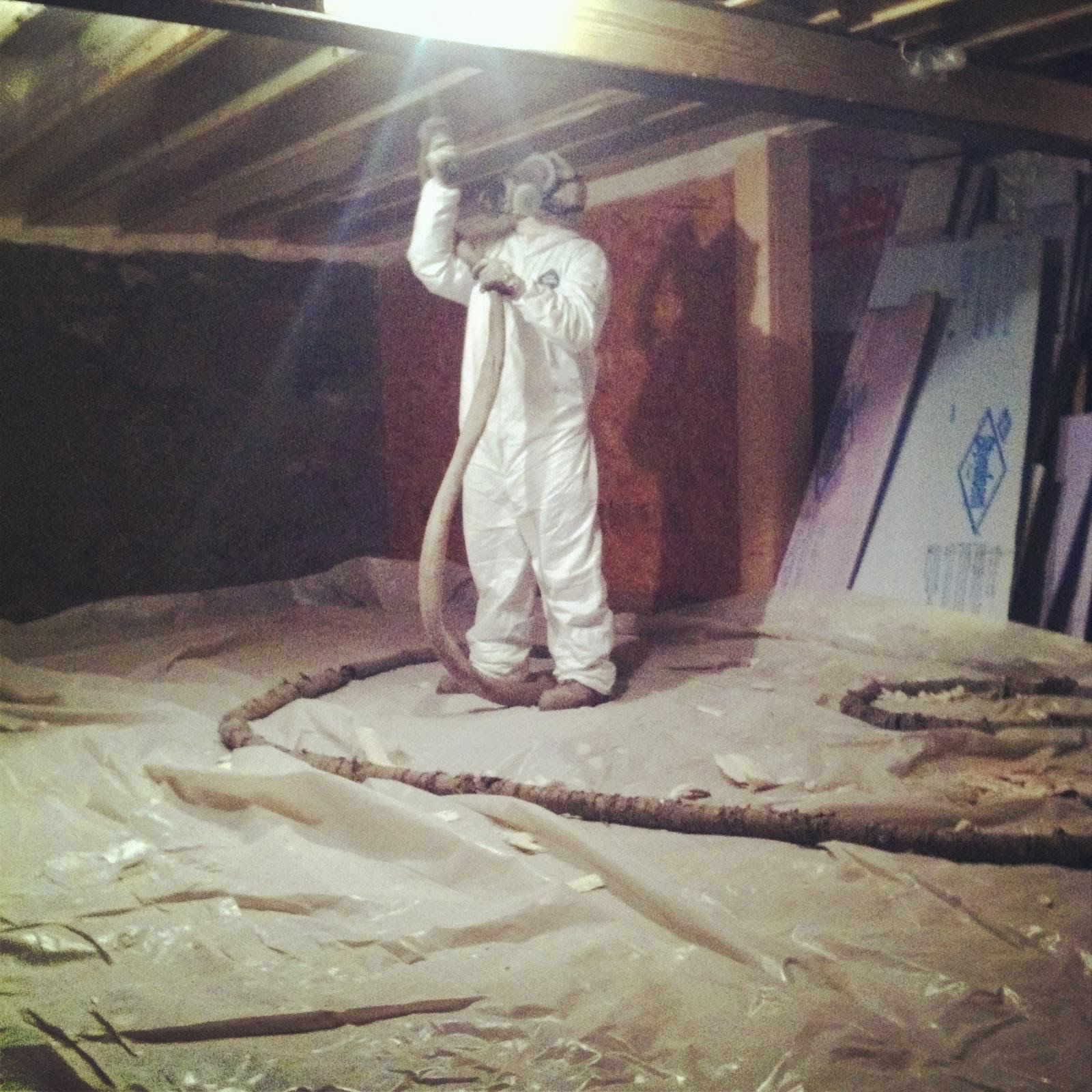
We insulate new homes and commercial shells at the stage when foam can reach everything. Our work adapts to the building type, the plans, and the schedule your project already follows.
Template premium 99
New Homes

Residential Spray Foam Application


Single-family homes, townhouses, and custom builds receive foam in exterior walls, rooflines, and framing joints before drywall goes up, creating a continuous, airtight seal throughout the entire living space.
Template premium 99
New Commercial

Commercial Building Insulation


New offices, retail spaces, warehouses, and institutional buildings get foam applied to walls and roof decks, helping owners control heating and cooling costs from the moment the doors open to customers or staff.
Template premium 99
Envelope

Attic and Wall Insulation


Walls and attics are the largest surfaces in any new building. We seal and insulate both, whether the design calls for a vented attic floor or an unvented, conditioned roof assembly.
Template premium 99
Lower Levels

Basement Insulation


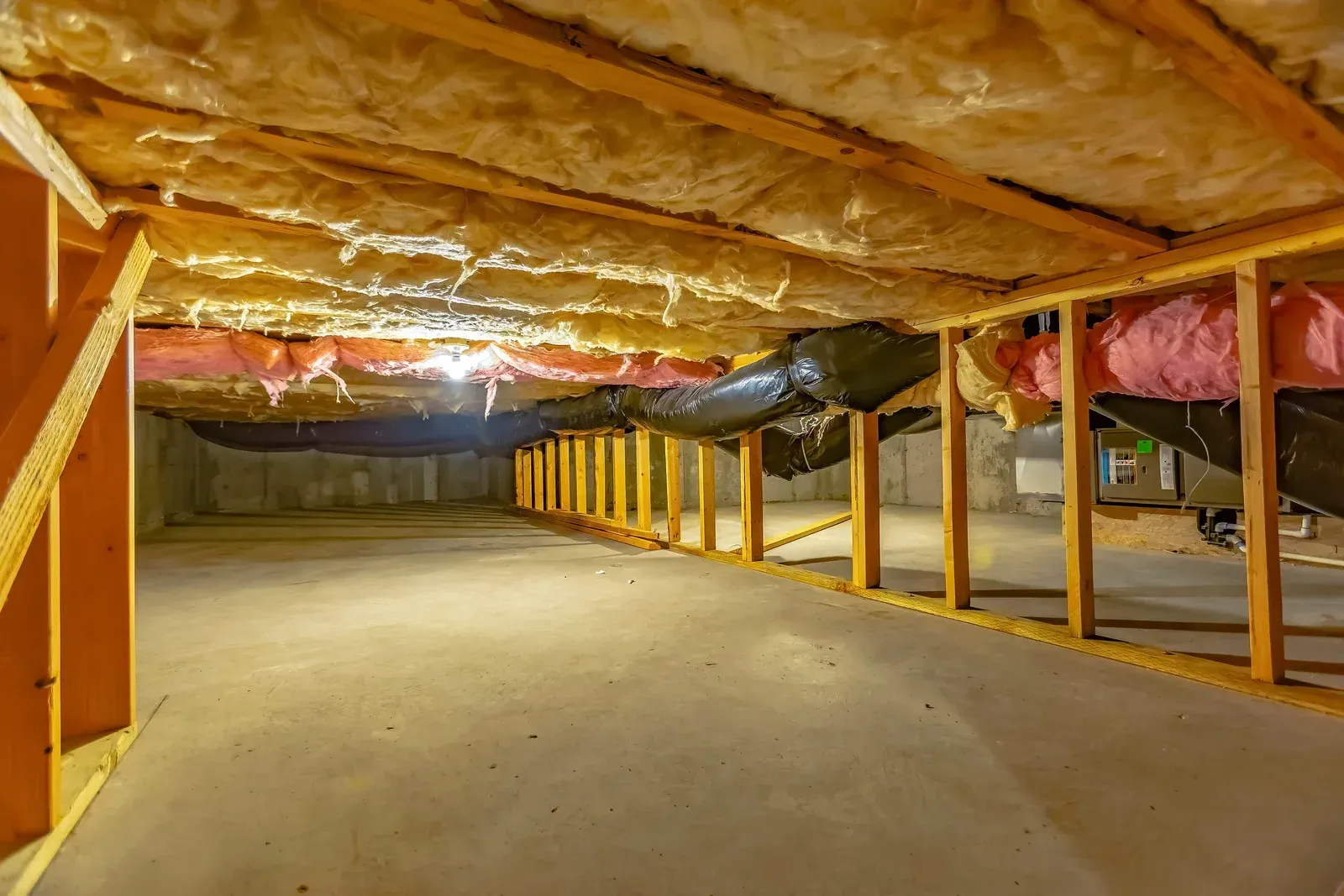
New foundations can be insulated before the basement is framed or finished. Foam on the walls creates a warm, dry lower level ready for a future family room, office, or storage.
Template premium 99
Quiet Rooms

Sound Reduction Solutions


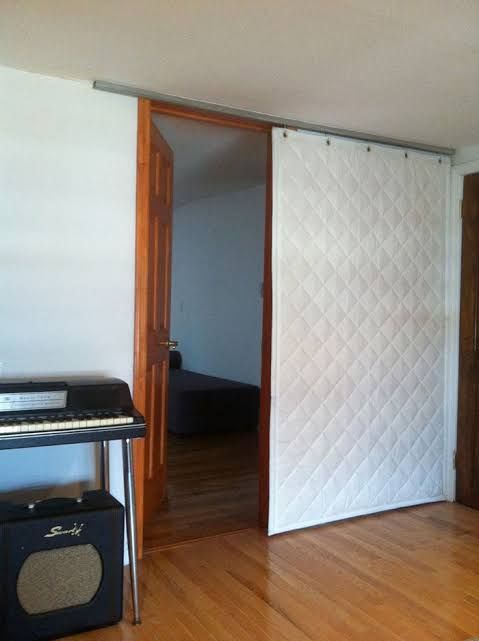
Interior walls and floors around bedrooms, media rooms, and offices can receive foam to dampen noise. It reduces sound transfer between spaces noticeably, though it does not create complete soundproofing on its own.
Template premium 99
Pre-Drywall

Pre-Drywall Air Sealing


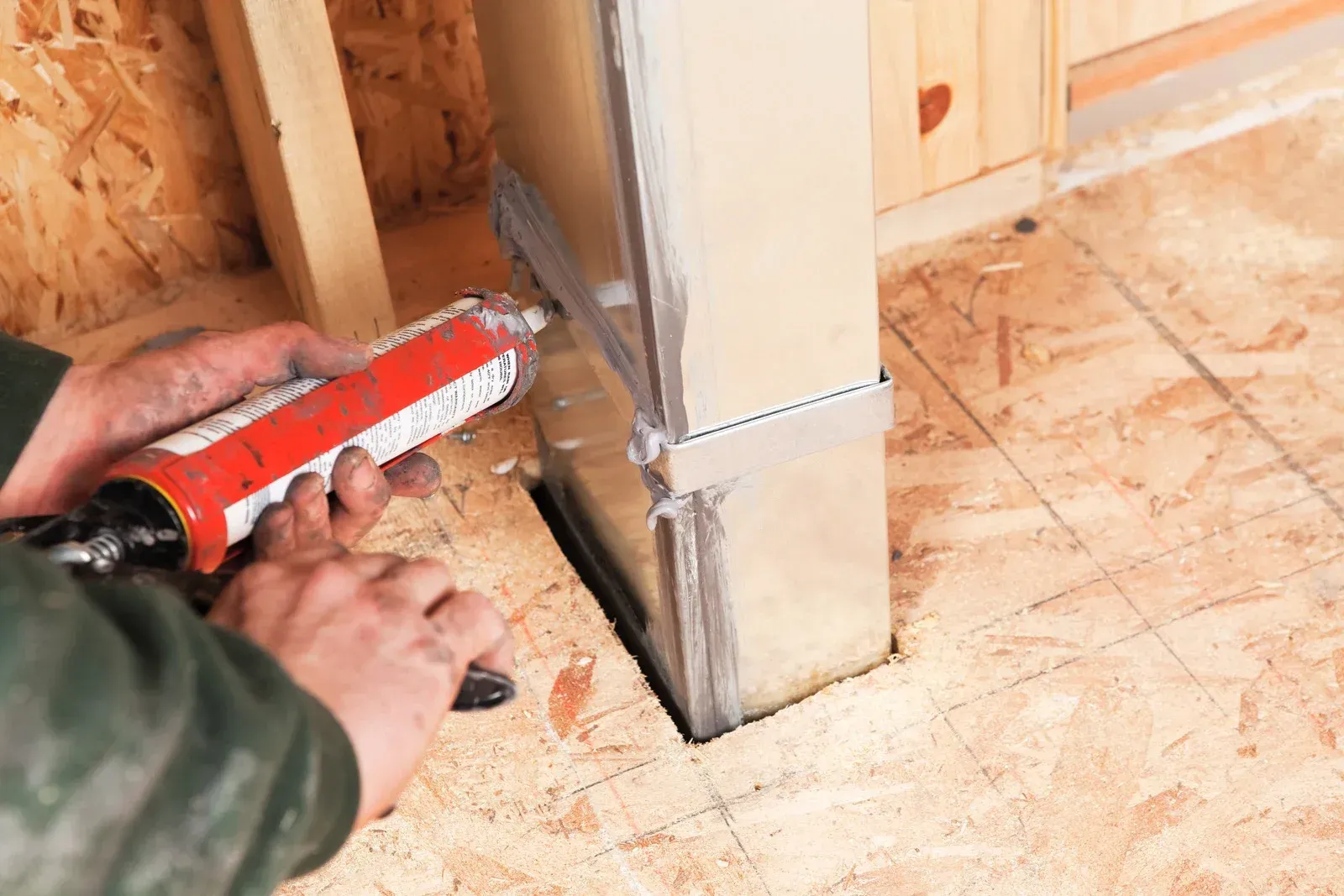
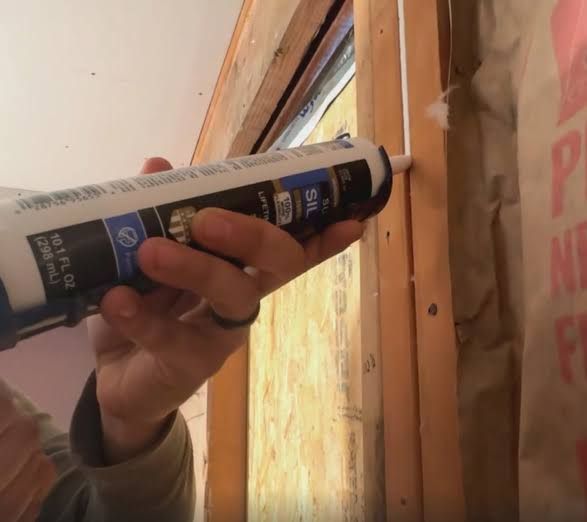
Before walls close, we seal penetrations for wiring, plumbing, and ductwork along with top plates and framing joints, closing the air leaks that most commonly cause blower door test failures.
Black horizontal rounded line on a white background

THE WORD ON OUR WORK

What Our Clients Say.

Builders mention our crew arriving on schedule and leaving the site ready for drywall, while homeowners describe new houses that felt comfortable from the first night. Our reviews reflect both sides of a construction project. Read what they have written and add your own feedback afterward.
    Black horizontal line on a white background
    FAQ

    Frequently Asked Questions.

    New construction insulation involves inspections, tight schedules, and several trades working in sequence on the same site. These answers cover the questions builders and homeowners most often ask us.

      What are the advantages of spray foam insulation in new construction?

      Spray foam offers superior energy efficiency, improved air quality, moisture barrier protection, noise reduction, and added structural integrity. It creates a seamless air barrier that lowers energy costs and improves comfort throughout the building.

      How long does spray foam insulation last in new construction?

      When properly installed, spray foam can last for the lifetime of the building. It does not sag, settle, or degrade behind the walls, so its insulating performance holds for decades.

      Can spray foam be used in all areas of a new build?

      It can be used in virtually all areas, including walls, attics, rooflines, basements, and hard-to-reach spaces. That versatility makes complete, consistent coverage possible throughout the entire structure, from the foundation to the roof.

      When should spray foam go in during construction?

      Foam typically goes in after framing, windows, and rough-in work for electrical, plumbing, and HVAC are complete and inspected, and before drywall. Coordinating that window keeps the whole schedule on track.

      Does spray foam help a new home pass a blower door test?

      It helps significantly. Foam seals top plates, penetrations, and sheathing seams that often cause test failures. Air sealing details elsewhere, such as windows and doors, still matter for passing results.

      Do you work directly with builders and general contractors?

      Yes. TrueFoam LLC works with builders, general contractors, and owner-builders across Pittsburgh, Pennsylvania. We coordinate site access, crew schedules, and inspection timing so insulation fits smoothly into the build.

      Does spray foam need to be covered in a new home?

      In occupied spaces, foam must sit behind an approved thermal barrier, usually half-inch drywall, under building codes. Attics and crawl spaces entered only for service may need an ignition barrier instead.

      Why do builders choose TrueFoam LLC for new construction insulation?

      Builders in Pittsburgh, Pennsylvania, choose TrueFoam LLC for our owner's 45+ years of experience, dependable scheduling, American-made materials, competitive pricing, free quotes, and crews that leave every site ready for drywall.

      Short black horizontal line on a white background
      How We Work

      From Rough-In to Ready for Drywall, Here is How.

      STEP 01

      We Review the Plans
      We look at the drawings, framing type, roof design, and energy targets for the project. That review tells us where foam belongs, what thickness each assembly needs, and how inspections will be scheduled.

      STEP 02

      We Set the Timing
      We agree on the insulation window with the builder or owner, usually after rough-in inspections and before drywall. Your quote covers the scope, materials, and the days our crew needs on site.

      STEP 03

      We Prep the Site
      Windows, electrical boxes, and anything that should stay clean get masked. We confirm the framing and sheathing are dry and ready, and we set up ventilation so the application proceeds safely for everyone working on site.

      STEP 04

      We Seal the Details
      Top plates, sill plates, and penetrations for wiring, plumbing, and ductwork get sealed carefully. These small, easily overlooked details make the biggest difference in airtightness, comfort, and blower door results.

      STEP 05

      We Spray the Assemblies
      Walls, rooflines, and foundation walls receive foam in controlled passes to the specified depth. We trim excess material from stud faces so drywall installs flat, cabinets hang true, and trim fits cleanly.

      STEP 06

      We Hand Off to the Next Trade
      After checking coverage and thickness, we clean up debris and leave the site ready for inspection and drywall. Builders and owners get a clear update on what was completed and any details to note.