Pole Barn Insulation in Pittsburgh, Pennsylvania
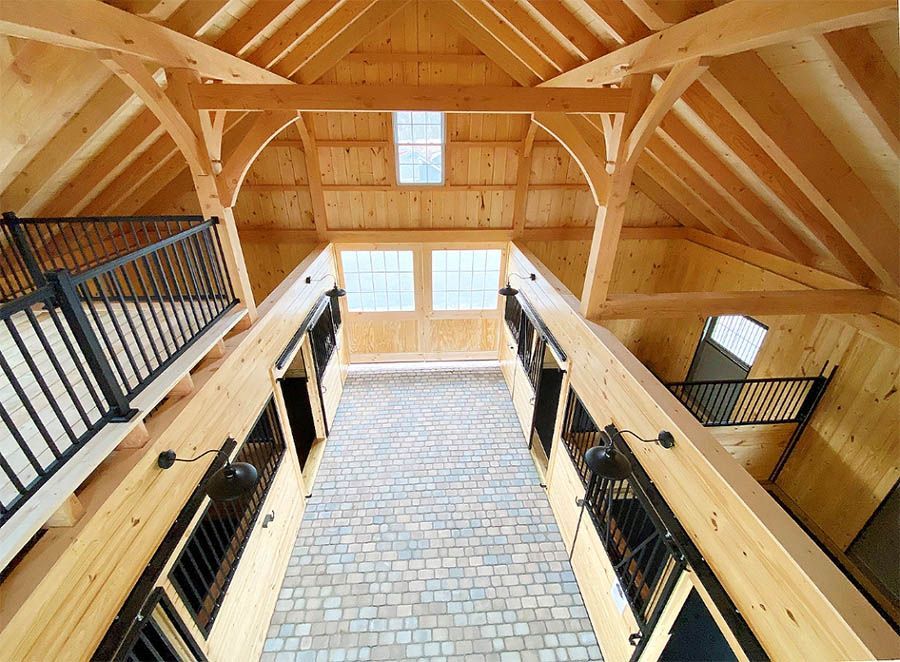
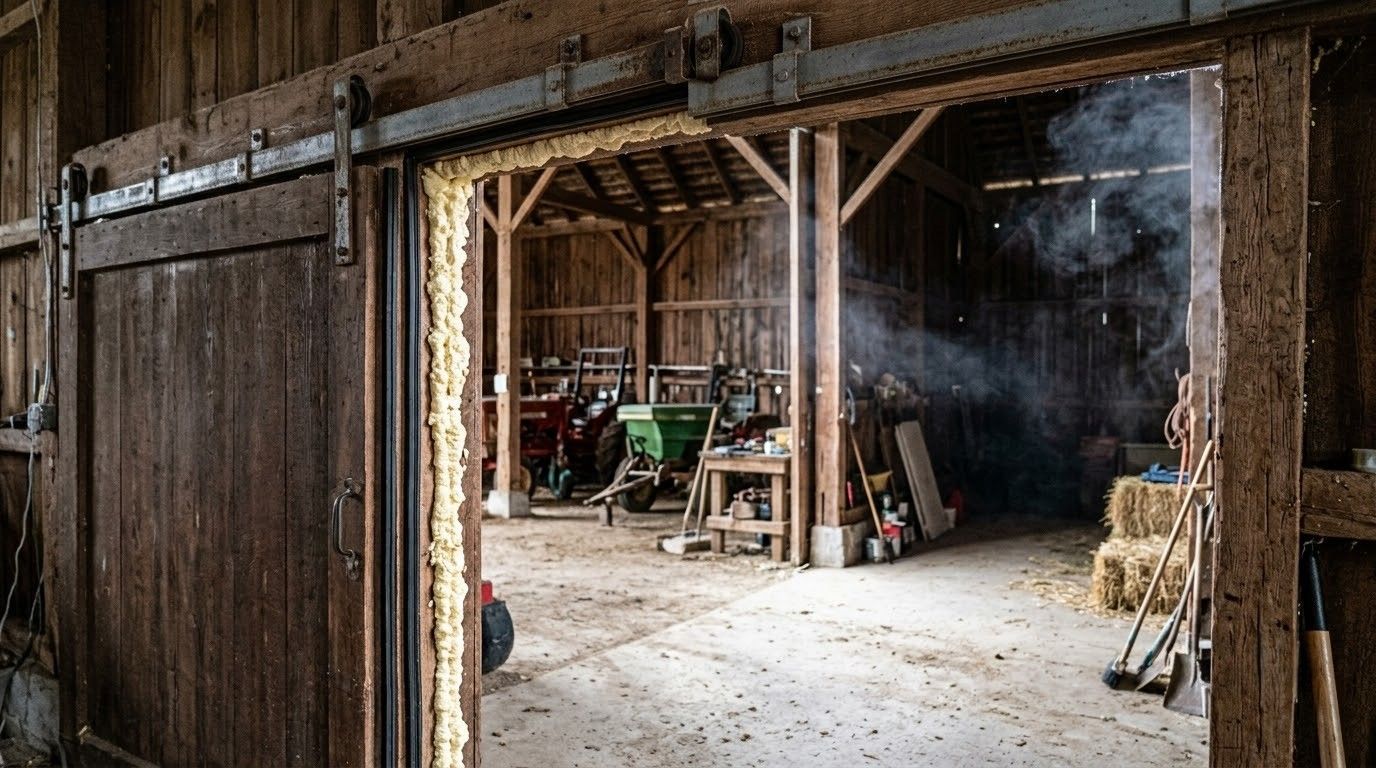
Metal Buildings Drip, Freeze, and Bake Without Insulation.
Steel roofs and siding offer little resistance to heat, so a bare pole barn follows every swing in the weather. Condensation forms on the underside of the roof and drips onto equipment, hay, and workbenches, while winter cold makes the space miserable and summer sun turns it into an oven by midafternoon.
Spray foam stops the drip, steadies the temperature, quiets the rain on the roof, and turns the barn into a building you can actually use comfortably in every season of the year.
- Stops metal roof condensation
- Holds heat in winter
- Keeps summer heat outside
- Seals seams and fastener rows
A Barn That Works in January as Well as in June.
Post-Frame Buildings Are Everywhere Around Western Pennsylvania.
A Dry Barn is Built on Details Most Crews Skip.
What an Insulated Pole Barn Delivers
Temperature Control
Energy Cost Reduction
Moisture Management
Noise Reduction
Increased Structural Longevity
Enhanced Usability of Space
our services
Our Pole Barn Insulation Work
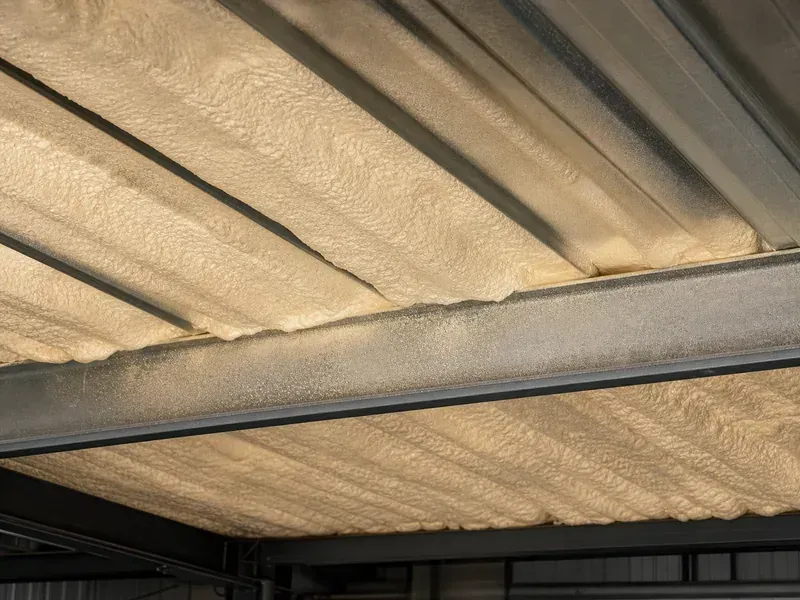
Metal Roof Underside Insulation
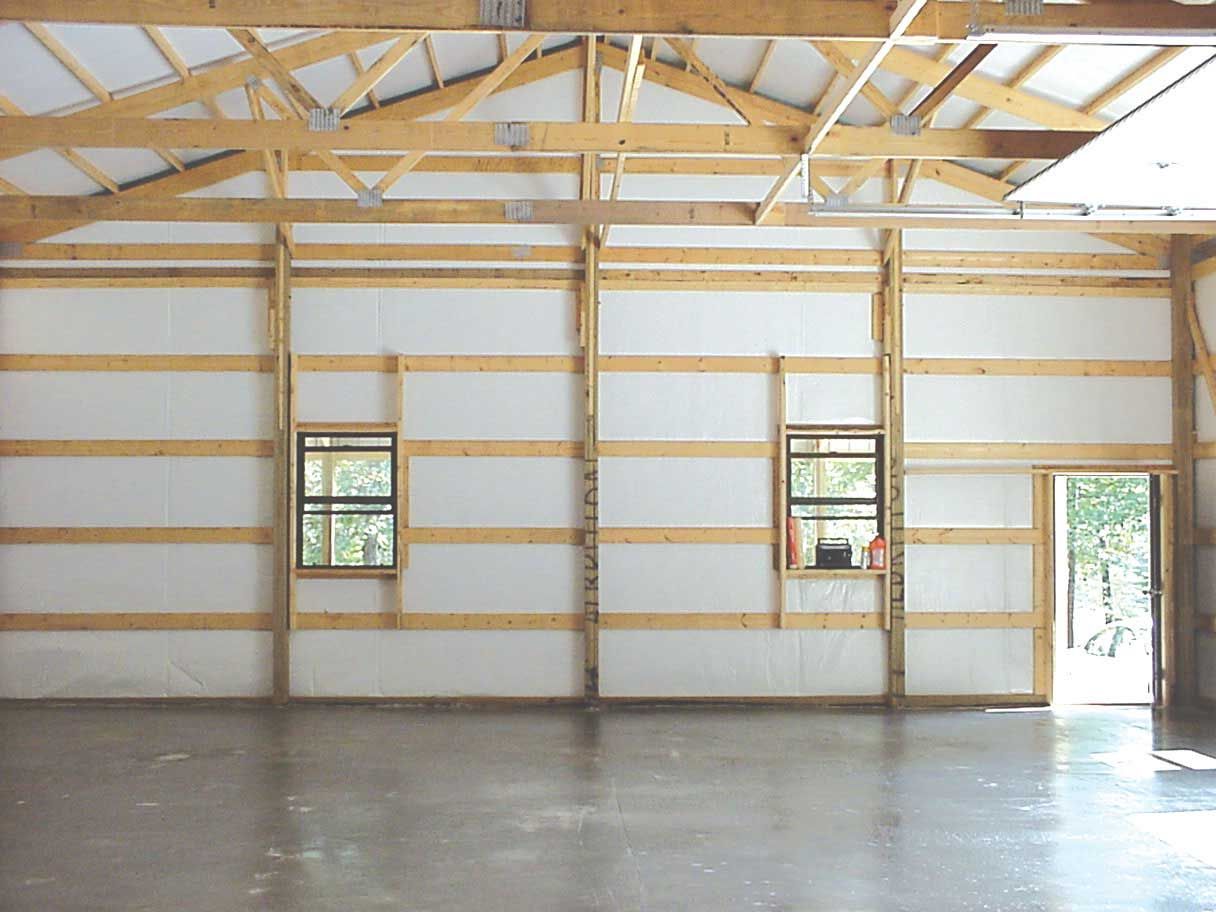
Pole Barn Wall Insulation
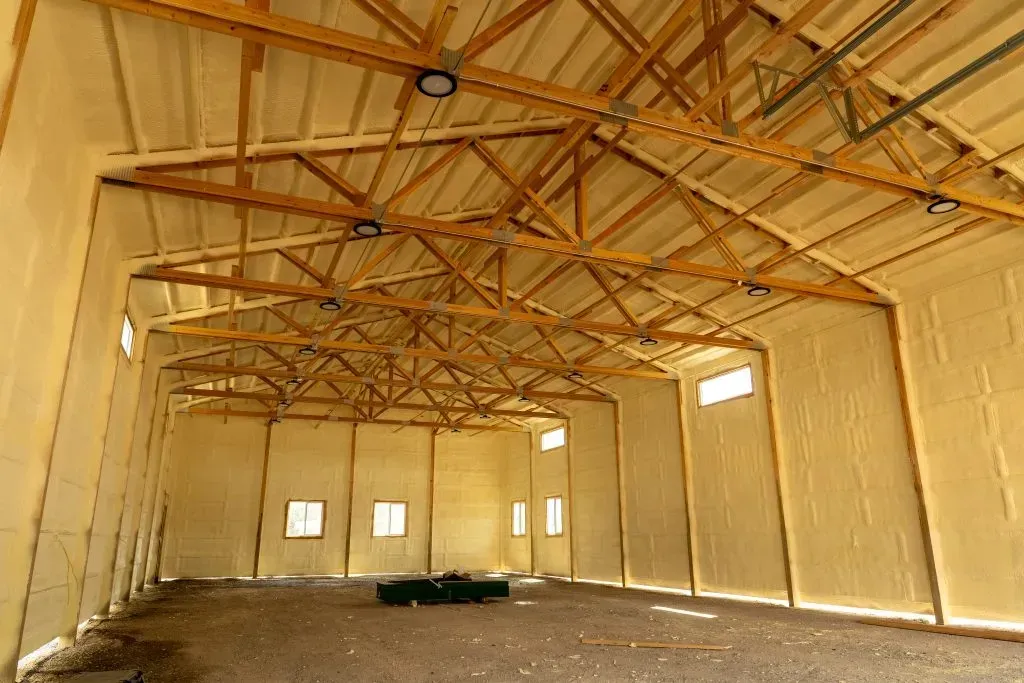
Workshop and Hobby Barn Insulation
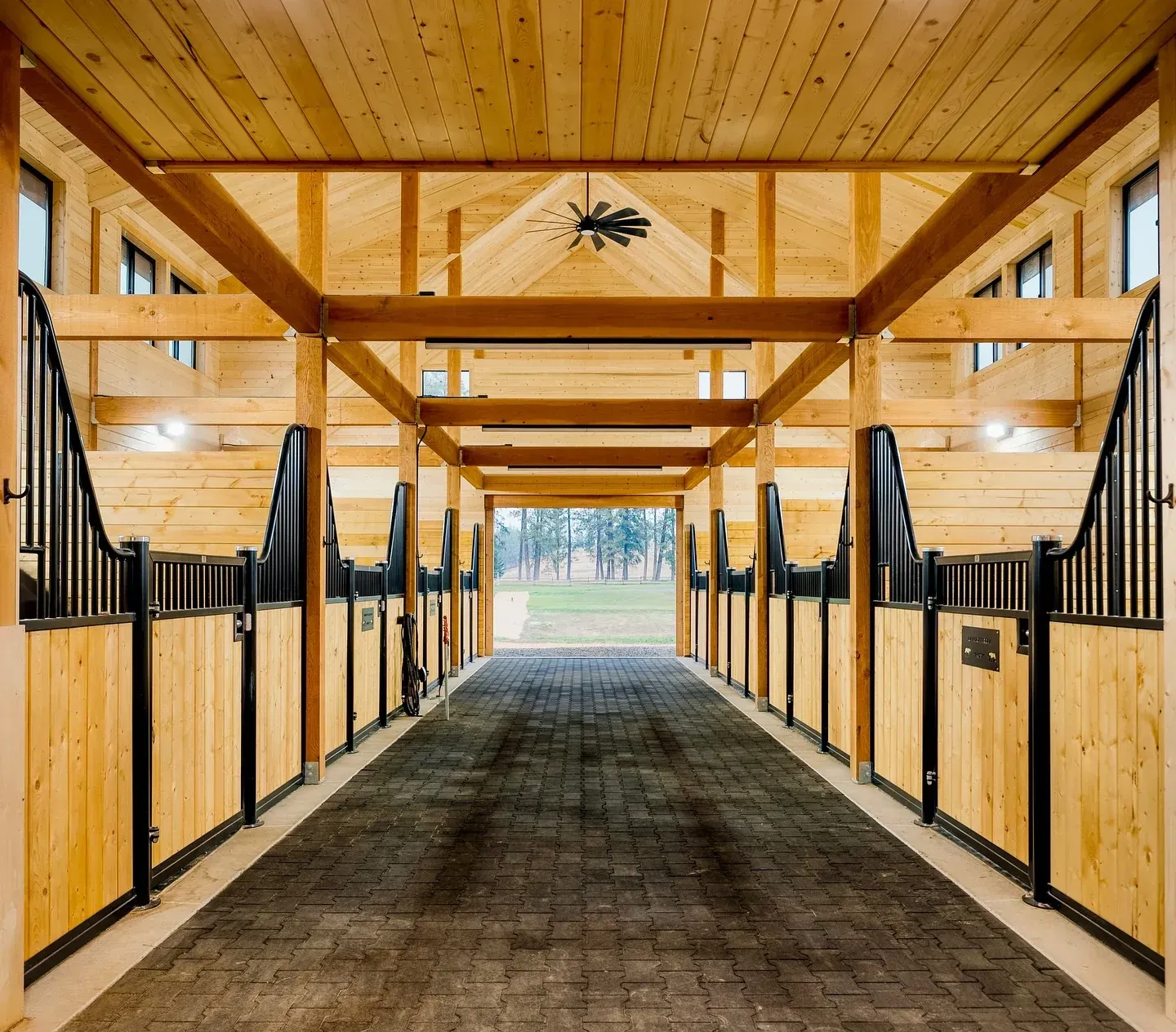
Livestock and Horse Barn Insulation
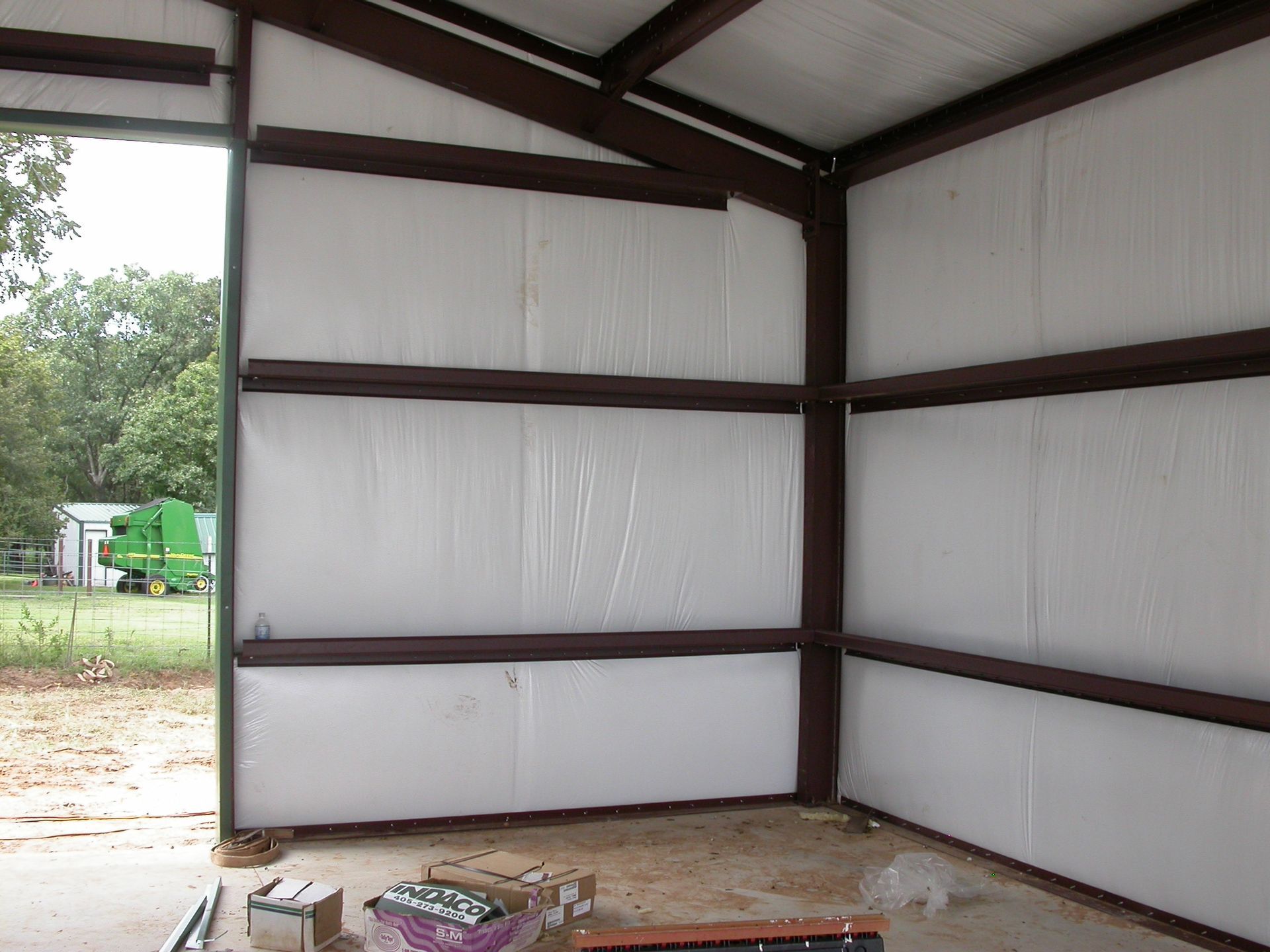
Equipment Storage Building Insulation
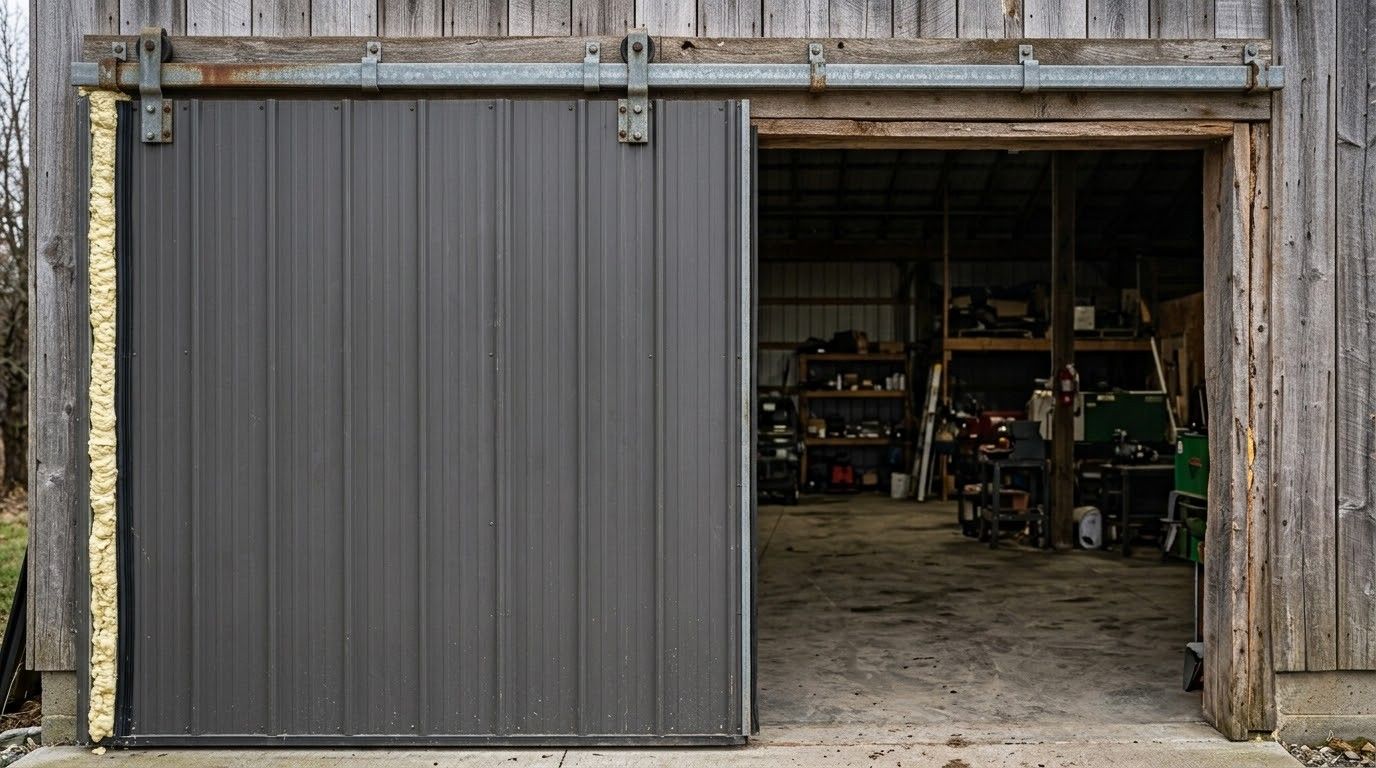
Door and Opening Air Sealing
THE WORD ON OUR WORK
What Our Clients Say.
Frequently Asked Questions.
What are the benefits of insulating a pole barn?
Insulating a pole barn improves temperature control, reduces energy costs, and manages moisture. It also cuts noise, helps protect the structure from corrosion and rot, and makes the space more usable throughout the year.
What types of insulation are best for pole barns?
TrueFoam LLC uses spray foam for pole barns around Pittsburgh, Pennsylvania, because it bonds directly to steel, seals laps and fasteners, and controls condensation that loose or blanket insulation often cannot stop.
How long does pole barn insulation typically last?
Spray foam protected from physical damage can last for decades on a pole barn. Unlike loose or blanket materials, it does not sag or settle, so it keeps controlling condensation and heat loss year after year.
Can you insulate a pole barn that already has contents inside?
Yes, with preparation. Equipment and stored items should be moved or covered, and we protect what cannot be moved. Clearing wall and roof access makes the work faster and the coverage more complete.
Will spray foam stop the condensation dripping from my barn roof?
In most cases, yes. Foam bonded to the underside of the steel keeps humid air from reaching the cold metal, which is what causes dripping. Ventilation and moisture sources inside the barn still play a role.
Do livestock barns need special considerations?
Yes. Animals produce moisture and need fresh air, so livestock barns require proper ventilation alongside insulation. We plan foam coverage to work with your ventilation rather than sealing the barn too tightly.
Should the whole barn be insulated or just the roof?
The roof is the top priority because it drives most condensation and heat loss. Insulating the walls as well creates a complete shell, which matters most if you plan to heat the building.
Why choose TrueFoam LLC for pole barn insulation?
Barn owners in Pittsburgh, Pennsylvania, choose TrueFoam LLC for our owner's 45+ years of experience, careful attention to steel laps and fasteners, American-made materials, competitive pricing, and free quotes.
From Dripping Steel to a Dry, Usable Barn, Here is How.
STEP 01
We Inspect the Barn
STEP 02
We Recommend Coverage
STEP 03
We Prepare the Interior
STEP 04
We Foam the Roof
STEP 05
We Foam the Walls
STEP 06