Black horizontal line near the left side on a white background
Sound Reduction Insulation

A typical interior wall with drywall on both sides and empty stud cavities rates around STC 33 to 35, a level where ordinary conversation in the next room can still be heard and often understood. TrueFoam LLC provides sound reduction insulation in Pittsburgh, Pennsylvania, filling wall cavities, ceilings, and floors with spray foam that absorbs sound and closes the air gaps noise travels through. We describe results honestly: foam reduces noise noticeably, but it does not create complete soundproofing entirely on its own. Our locally owned crew uses American-made materials in homes, offices, studios, and commercial spaces across the region.
Construction workers pouring concrete at a building site, with a truck in the background
Wet concrete pouring from a truck chute onto a construction site, forming a gravelly slab surface

Noise Travels Through Every Gap You Can't See.

Sound moves through air, so the same gaps that leak heat also carry voices, televisions, footsteps, and traffic from one space to another. Hollow wall cavities act like drums, amplifying noise between bedrooms, offices, and shared walls, while outlets, recessed fixtures, and pipe openings give sound a direct path straight through.

Filling and sealing those cavities makes rooms noticeably calmer, more private, and easier to rest, work, study, and focus in throughout the day and late into the evening.

  • Fills hollow wall cavities
  • Seals gaps that carry sound
  • Adds privacy between rooms
  • Honest, realistic noise goals
Black horizontal line on a white background
Sound Reduction Insulation

Quieter Rooms Make Better Homes and Workplaces.

A bedroom next to a busy family room, a home office near the kitchen, or a conference room beside a break area all benefit from less noise passing through the walls. Spray foam dampens airborne sound inside cavities and seals the leaks that let it escape, so conversations stay private and distractions fade. Combined with good construction details, it can make a meaningful difference in how peaceful a space feels day to day.

City Living and Busy Suburbs Both Bring Noise Inside.

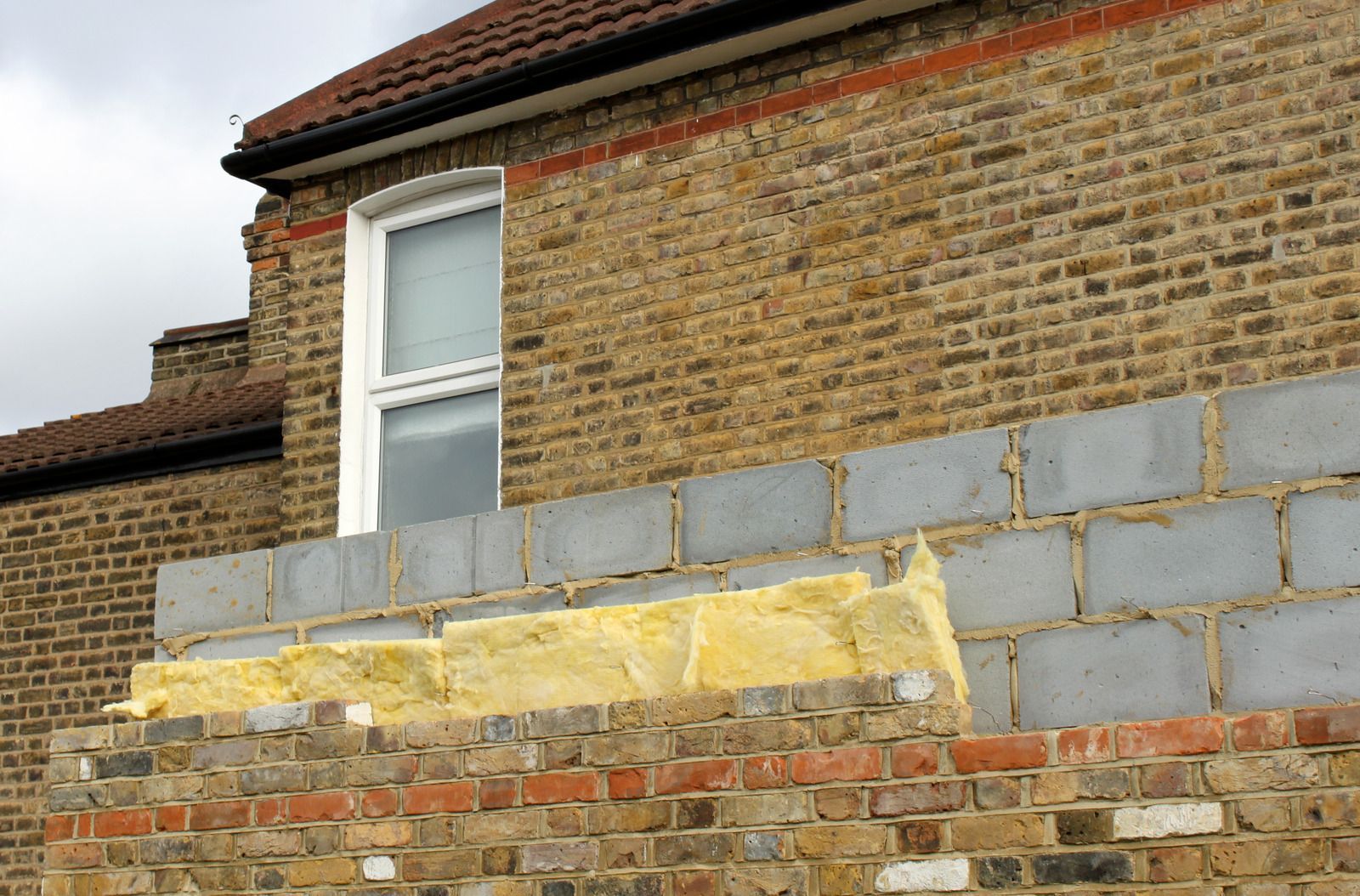
Rowhomes with shared walls, apartments in converted buildings, homes along busy suburban roads, and offices near highways all deal with noise from outside and next door. Many older Pittsburgh buildings were never insulated between rooms at all, and some were never insulated anywhere. We look at your walls, ceilings, and floors, the noise you want to reduce, and where it enters before recommending how foam can help.

We'll Tell You Honestly How Quiet a Room Can Get.

Sound control depends on mass, air sealing, and construction details as much as insulation, and promising total silence would not be fair to you. Our owner has spent 45+ years learning what insulation can realistically achieve, and our crew sets clear expectations before any foam goes in. You get improvements you can hear without inflated claims. Which room in your home or building would you most like to quiet?

What Sound Reduction Insulation Delivers

Black-and-white icon of a hand operating a conveyor belt over rows of logs or bottles
Enhanced Privacy and Confidentiality
Conversations in offices, bedrooms, and meeting rooms stay where they belong. Filled and sealed cavities make it much harder for voices to carry through shared walls into neighboring rooms and offices.
Black-and-white icon of a saw cutting through stacked bricks and a woven pattern above them
Improved Focus and Productivity
Less noise from kitchens, hallways, and nearby rooms helps people concentrate on work, homework, and calls, making home offices, classrooms, and workplaces more productive throughout the day.
A black tire-track icon above a row of tires and brick pattern, suggesting off-road or tread-related signage
Calmer Living Spaces
Reducing the constant background noise from traffic, neighbors, and household activity helps rooms feel more relaxed, giving everyone in the home a quieter place to unwind after a long day.
Black-and-white icon of a chainsaw cutting into a stacked pile of logs or bricks
Better Sleep Quality
Bedrooms insulated against hallway noise, televisions, and outdoor sounds stay calmer at night, helping light sleepers, young children, and shift workers rest more comfortably and wake less often during the night.
Black safety icon with a drill above a brick wall and round hazard symbol.
Increased Property Value
Quiet bedrooms, private offices, and peaceful shared walls appeal to buyers and tenants alike, adding a kind of everyday comfort that people notice right away when touring a home or leasing a space.
Black and white tire tread with a small vehicle icon above it
Quieter Shared Walls
Rowhomes, duplexes, and multi-unit buildings benefit from foam in shared walls, which reduces the everyday sounds that pass between neighbors and helps keep relationships with the people next door friendly and relaxed.
Black horizontal rounded line on a white background

our services

Our Sound Reduction Work

Noise problems differ from room to room, so we match the application to where sound enters, what kind of noise it is, and how the space is built and used.
Template premium 99
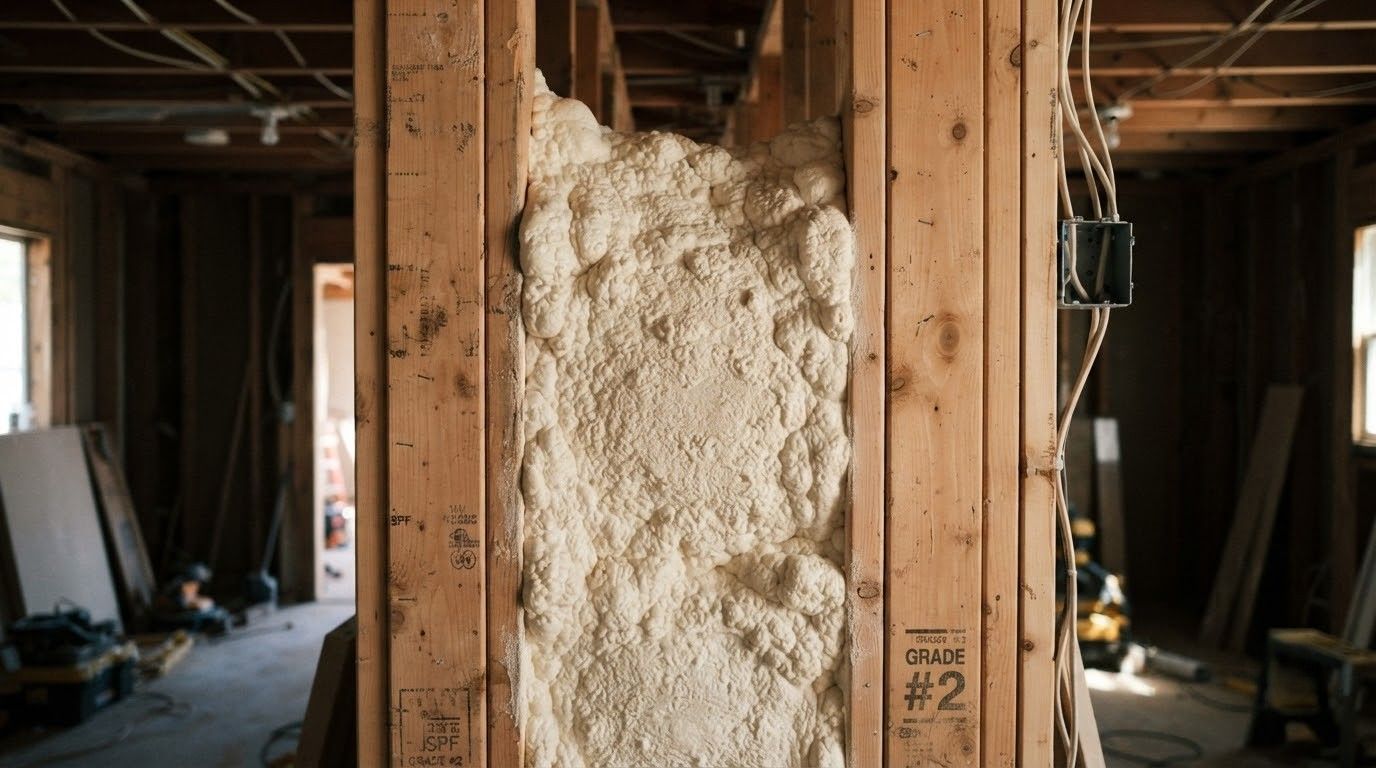
Wall Cavities

Wall Cavity Insulation


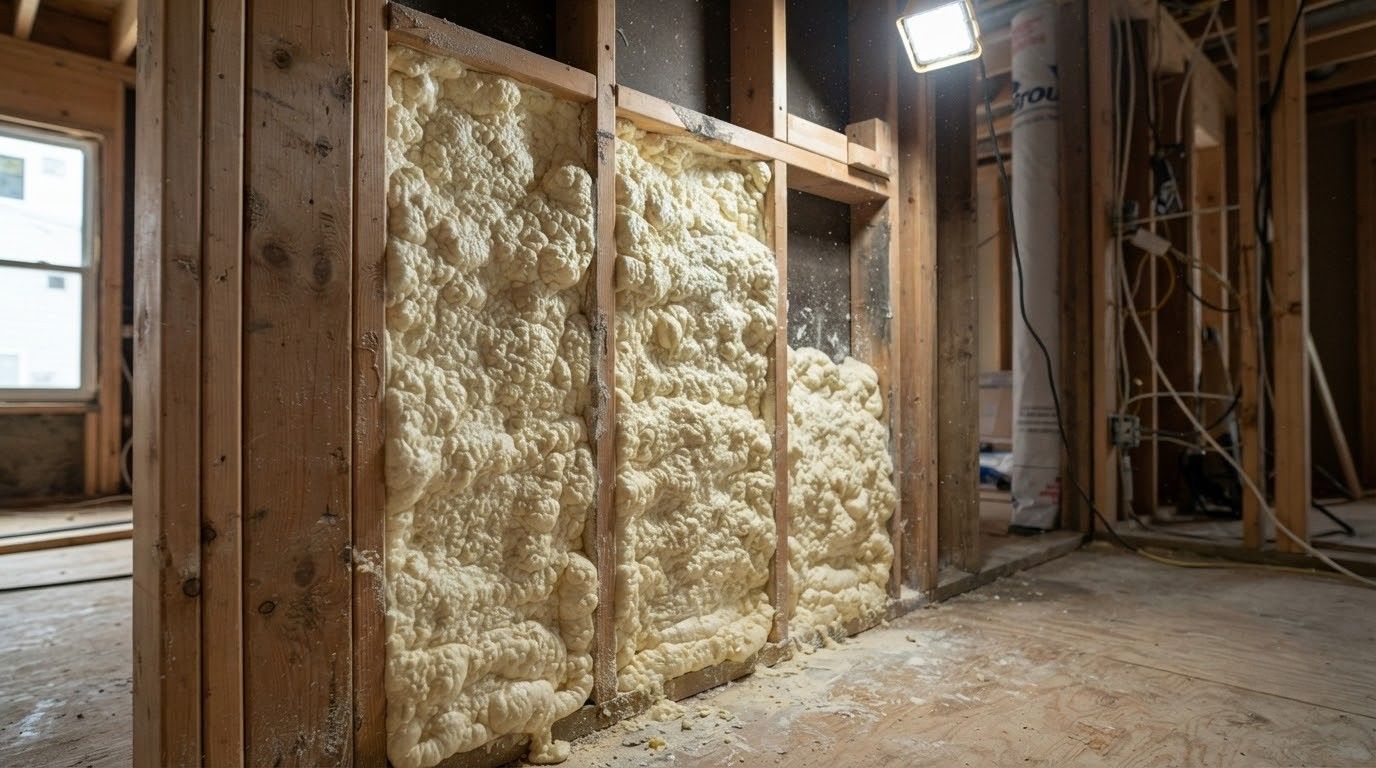
Foam fills interior and exterior stud cavities, absorbing airborne sound and sealing gaps around outlets and framing so voices, music, and televisions carry far less from one room to the next.
Template premium 99
Between Floors

Ceiling and Floor Sound Reduction


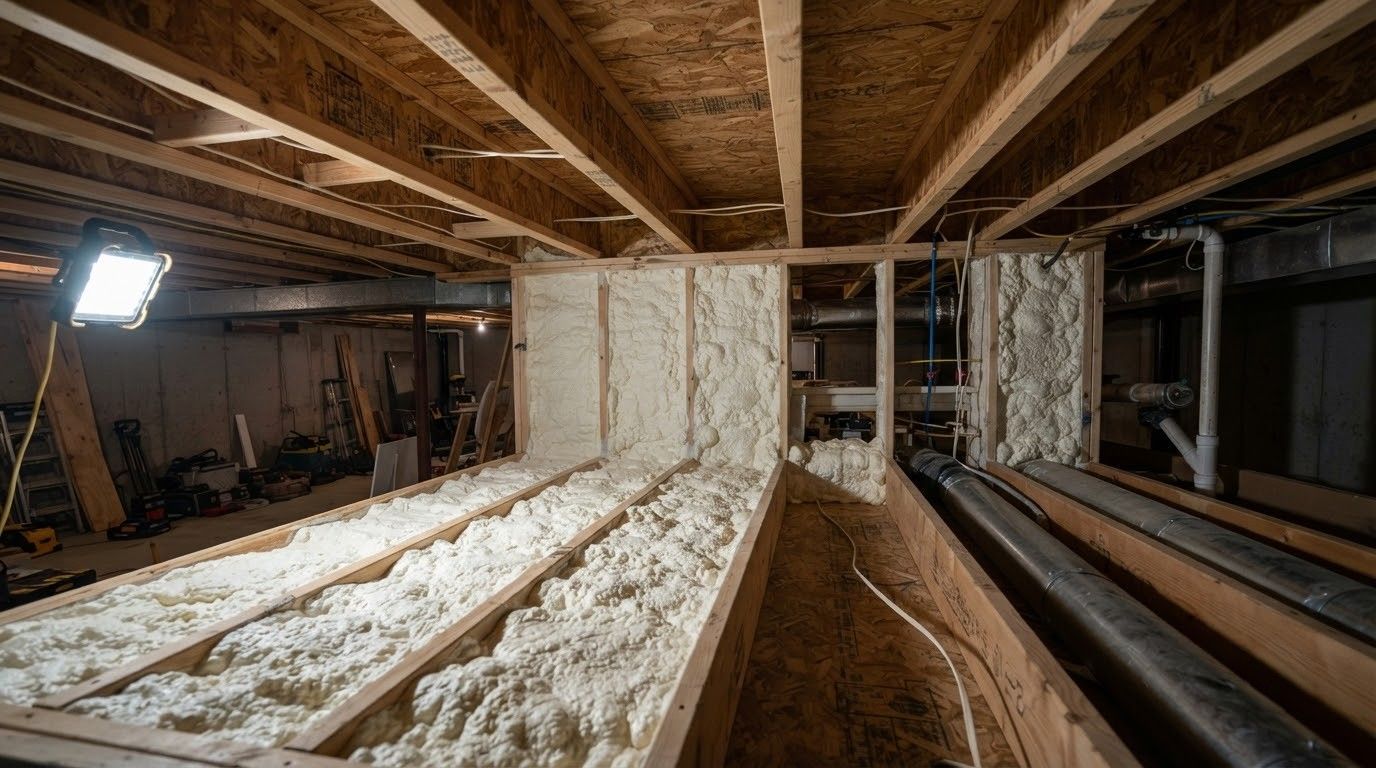
Foam between floor joists reduces airborne sound traveling between levels, helping bedrooms under living spaces and offices over busy areas stay noticeably quieter throughout the day and evening.
Template premium 99
Duct Noise

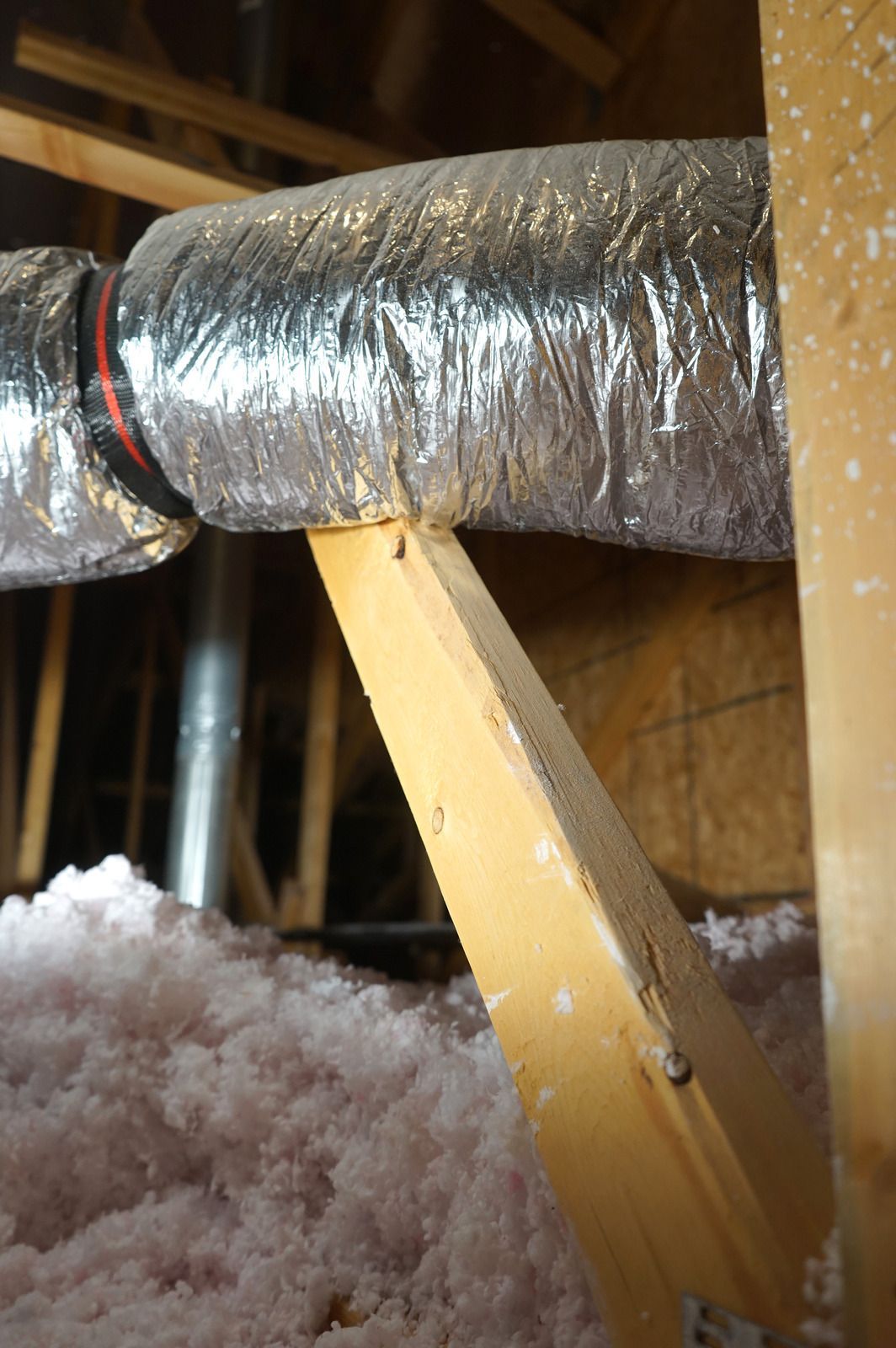
HVAC Duct Insulation


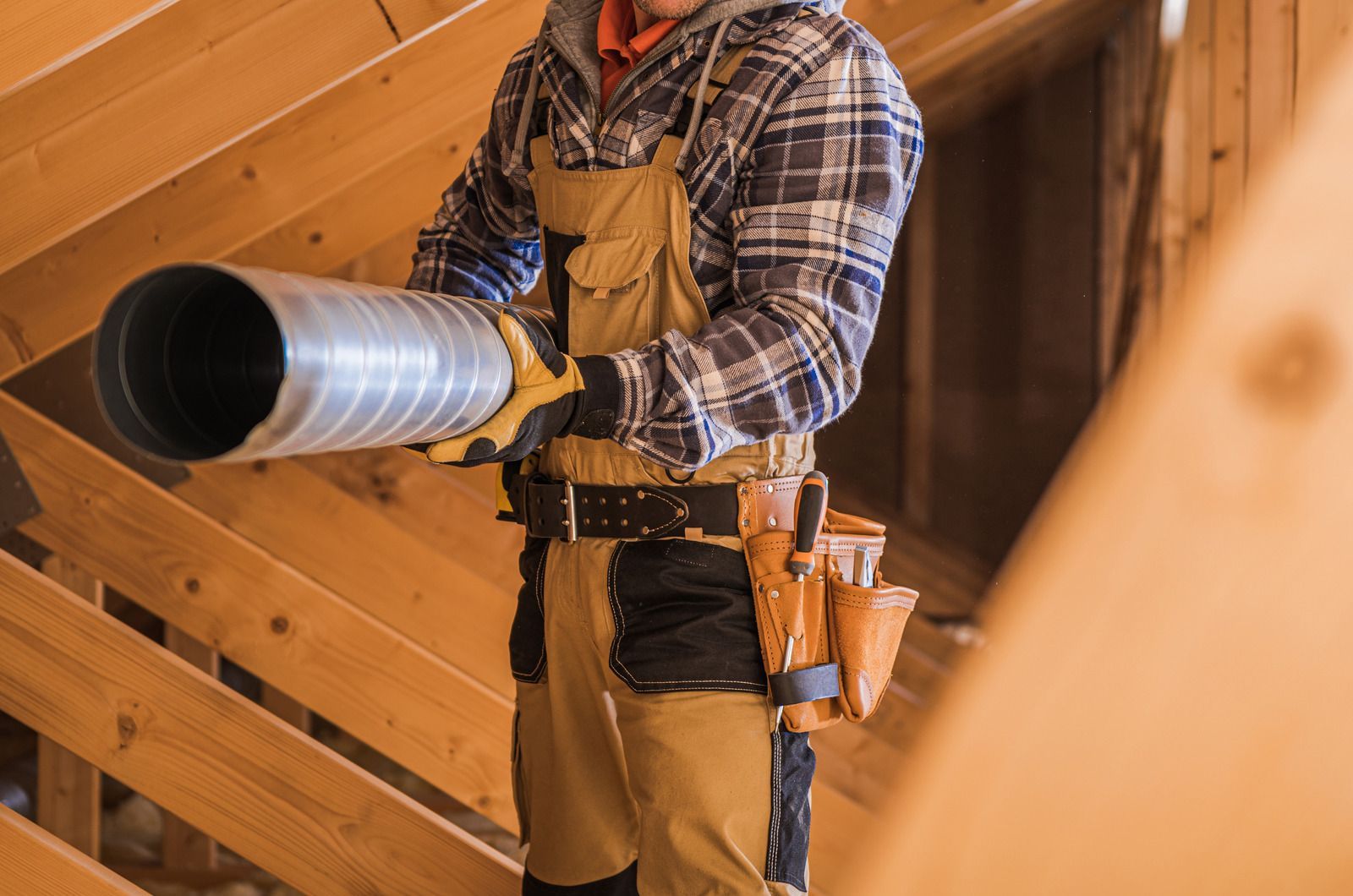
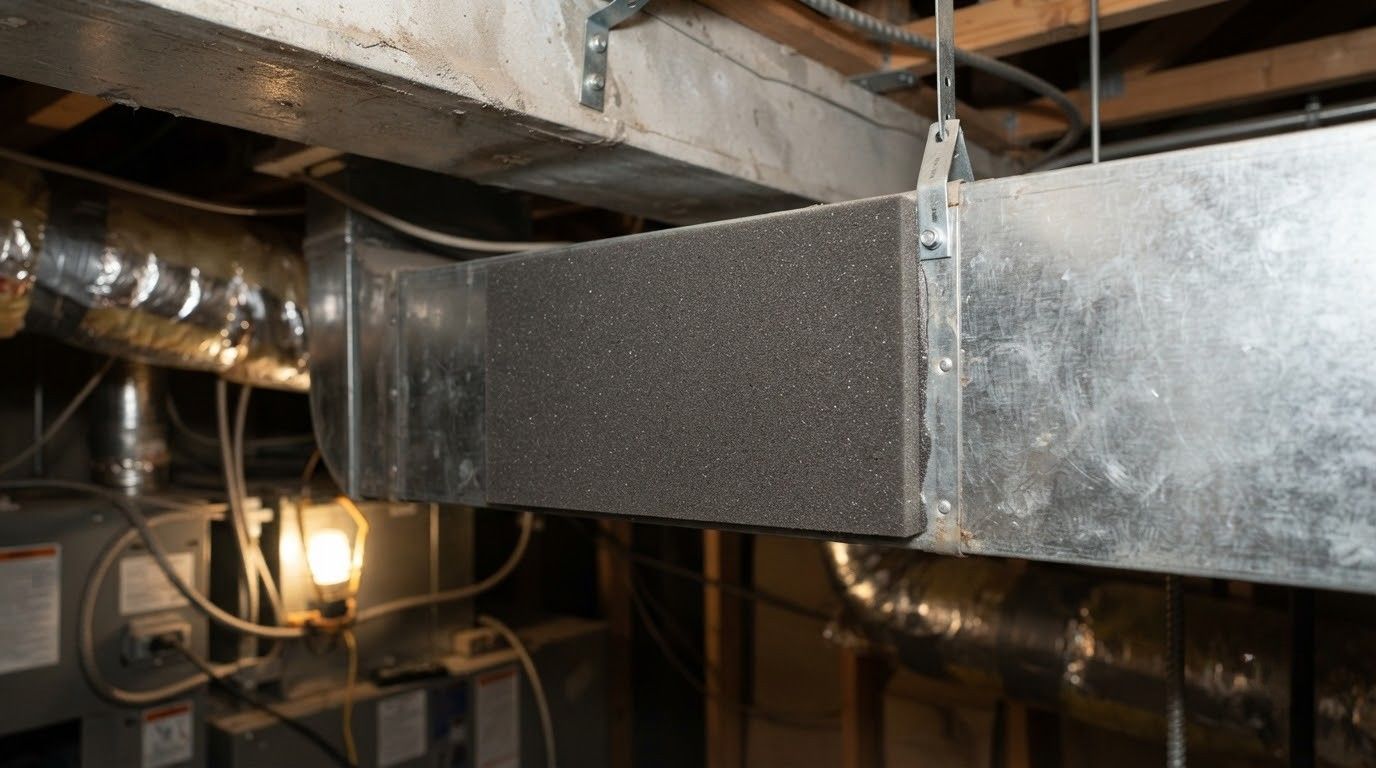
Ductwork can carry sound from room to room and transmit the rumble of equipment. Insulating ducts and sealing their penetrations reduces noise traveling through the heating and cooling system.
Template premium 99
Barriers

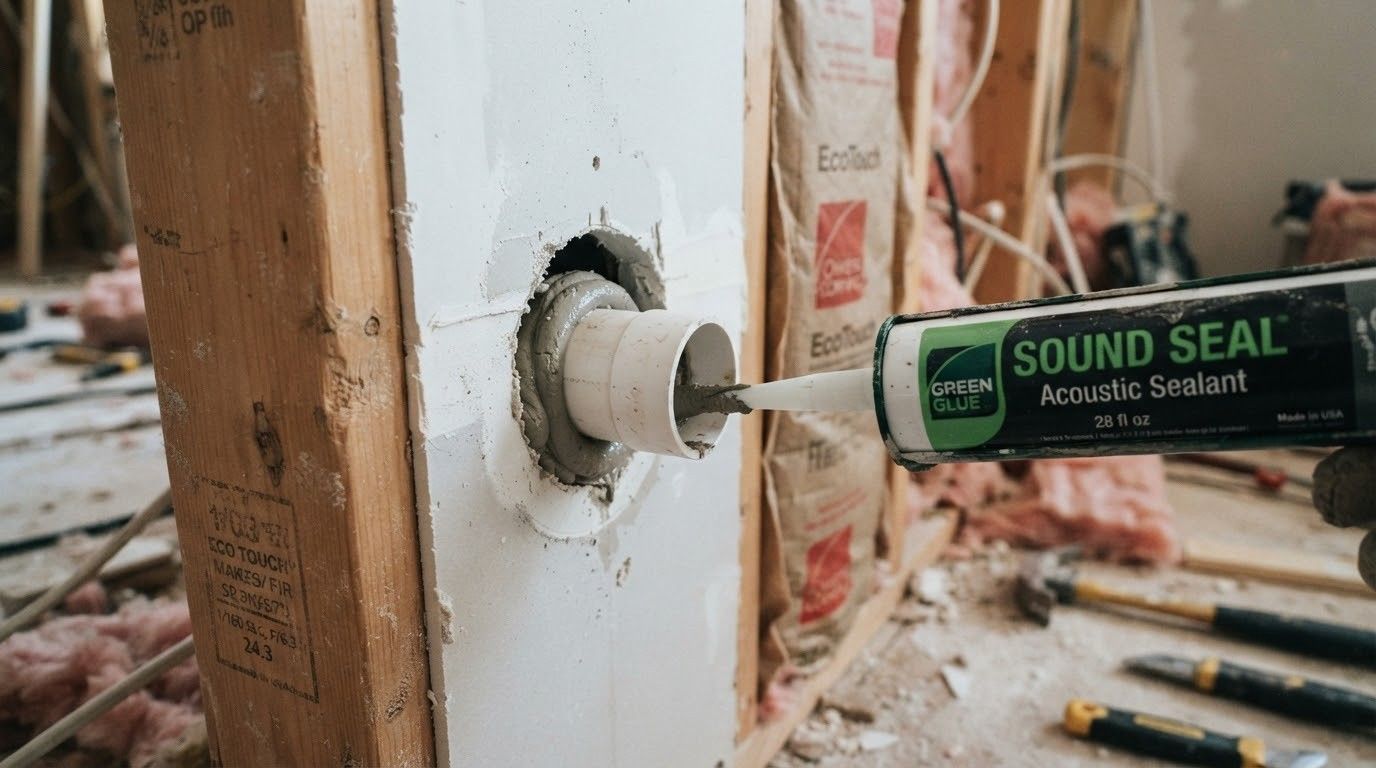
Acoustic Barrier Installation


Sealing gaps and penetrations creates a more continuous barrier against sound. We close the air paths around pipes, wires, and framing that let noise bypass otherwise solid walls and ceilings.
Template premium 99
Absorption

Sound Absorption Treatments


Softer spray foam inside cavities absorbs sound energy rather than reflecting it, reducing echo inside hollow walls and helping rooms like home theaters, studios, and offices feel noticeably quieter.
Template premium 99
Vibration

Vibration Dampening Solutions


Foam that bonds to framing and panels can help dampen some vibration, such as metal panels rattling or ducts humming, though heavy impact noise usually requires additional construction measures.
Black horizontal rounded line on a white background

THE WORD ON OUR WORK

What Our Clients Say.

Homeowners describe bedrooms that finally feel private and home offices where calls are no longer interrupted by household noise. Business owners mention quieter meeting rooms and clear, realistic advice about what to expect. Read their reviews and share your own once your space feels calmer.
    Black horizontal line on a white background
    FAQ

    Frequently Asked Questions.

    Sound reduction depends on many factors beyond insulation alone, so homeowners and businesses want clear answers before they invest. These responses cover the questions we hear most often about quieter rooms.

      How effective is spray foam for sound reduction?

      Spray foam reduces sound transmission noticeably by filling cavities and sealing air gaps. It works best on airborne noise like voices and televisions, although it will not make a room completely soundproof on its own.

      Can spray foam sound reduction be applied in existing buildings?

      Yes. TrueFoam LLC treats existing homes and businesses throughout Pittsburgh, Pennsylvania, using open walls during renovations or filling enclosed cavities where the construction allows, keeping disruption to a minimum.

      How long does spray foam sound reduction last?

      Properly installed spray foam keeps its shape and performance for several decades. It does not sag or settle inside walls, so its sound-dampening effect remains consistent year after year.

      Will spray foam stop footsteps and bass from carrying?

      It helps somewhat, but impact noise like footsteps and low-frequency bass travel through the structure itself. Reducing those sounds usually requires added mass, resilient channels, or floor underlayments along with insulation.

      What else can improve sound control besides insulation?

      Adding drywall mass, sealing gaps around outlets and doors, using solid-core doors, and decoupling walls from framing all help. Foam works best as one part of a complete sound control plan.

      Is spray foam good for home theaters and music rooms?

      It helps by absorbing sound inside the walls and sealing leaks. Dedicated theaters and music rooms often need additional construction methods to reach the quiet they want, which we discuss honestly.

      Can you reduce noise from outside traffic?

      Yes, noticeably. Filling exterior wall cavities and sealing gaps reduces street noise, though windows and doors remain the weakest points and may need separate attention for the best overall results.

      Why choose TrueFoam LLC for sound reduction insulation?

      Property owners in Pittsburgh, Pennsylvania, choose TrueFoam LLC for our owner's 45+ years of experience, honest expectations, American-made materials, competitive pricing, clean and careful work, and free quotes on every project.

      Short black horizontal line on a white background
      How We Work

      From Noisy Rooms to Noticeably Quieter Spaces, Here is How.

      STEP 01

      We Listen First
      We start by learning what noise bothers you, where it comes from, and when it happens. Then we inspect walls, ceilings, floors, and openings to see how sound is moving through the space.

      STEP 02

      We Set Real Expectations
      We explain what spray foam can improve and what other measures may help. Your quote outlines the rooms, cavities, and scope, so you know exactly what to expect before we begin.

      STEP 03

      We Protect the Rooms
      Furniture, floors, and finishes are covered, and windows, outlets, and trim are masked. We contain the work area and set up ventilation so the rest of your home or building stays clean.

      STEP 04

      We Seal the Sound Paths
      Gaps around outlets, pipes, wires, and framing get sealed first. Closing those small air paths keeps sound from slipping around the insulation and straight through the wall or ceiling into the next room.

      STEP 05

      We Fill the Cavities
      Foam goes into wall, ceiling, and floor cavities in controlled passes, filling each space completely so there are no hollow pockets left to carry or amplify sound between rooms.

      STEP 06

      We Wrap up Cleanly
      After confirming coverage, we remove coverings, clean up debris, and walk through the finished work with you. We also note any other steps that could improve sound control further.