September 24, 2026
Professional local insulation contractors play a pivotal role in enhancing the physical comfort of living spaces, making them far more energy efficient while simultaneously reducing monthly utility expenses. These experienced industry professionals provide deep knowledge in selecting and installing appropriate solutions tailored specifically to meet the distinct structural needs of individual households. Through their skilled work, residents can enjoy improved indoor temperatures, reduced noise pollution, and markedly better indoor air quality.
Partnering with a licensed local insulation contractor provides homeowners with peace of mind and verified results that last for decades. Expert technicians bring specialized machinery, diagnostic tools, and proper safety gear required to handle dense materials safely and effectively. Their comprehensive service ensures every corner, crevice, and wall cavity receives complete coverage, maximizing heat resistance throughout the entire structure.
Understanding Thermal Performance In Residential Structures
The primary function of thermal barriers revolves around systematically slowing down heat transfer between the interior of a house and the outside environment. Thermal movement naturally flows from warm spaces to cold spaces, meaning heat escapes during cold winters and penetrates living spaces during hot summers. The overall effectiveness of barrier materials is measured by their standard thermal resistance rating, which signifies how well a substance resists heat movement. Higher resistance ratings indicate stronger protective qualities, making high-rated options ideal for areas exposed to extreme weather conditions.
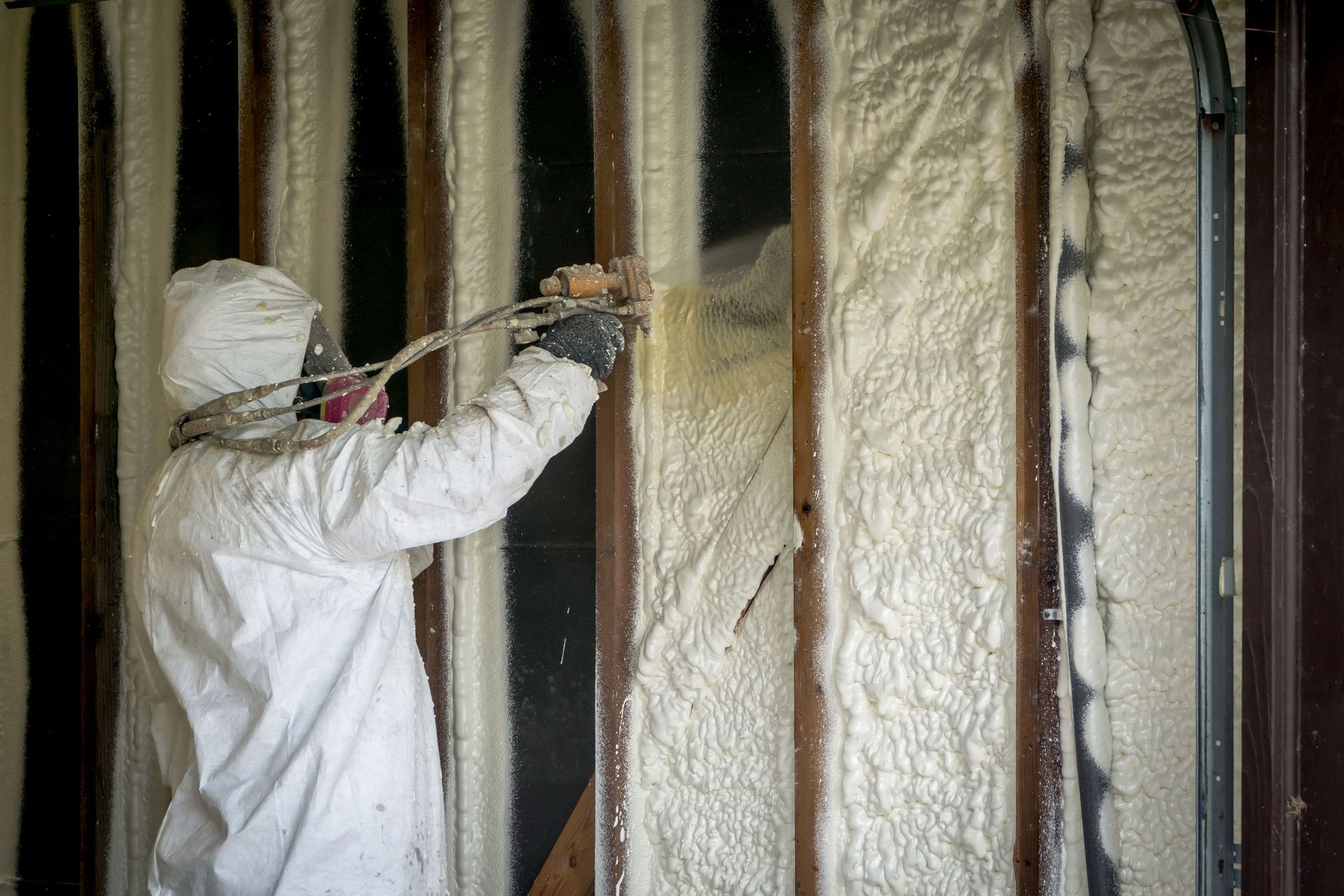
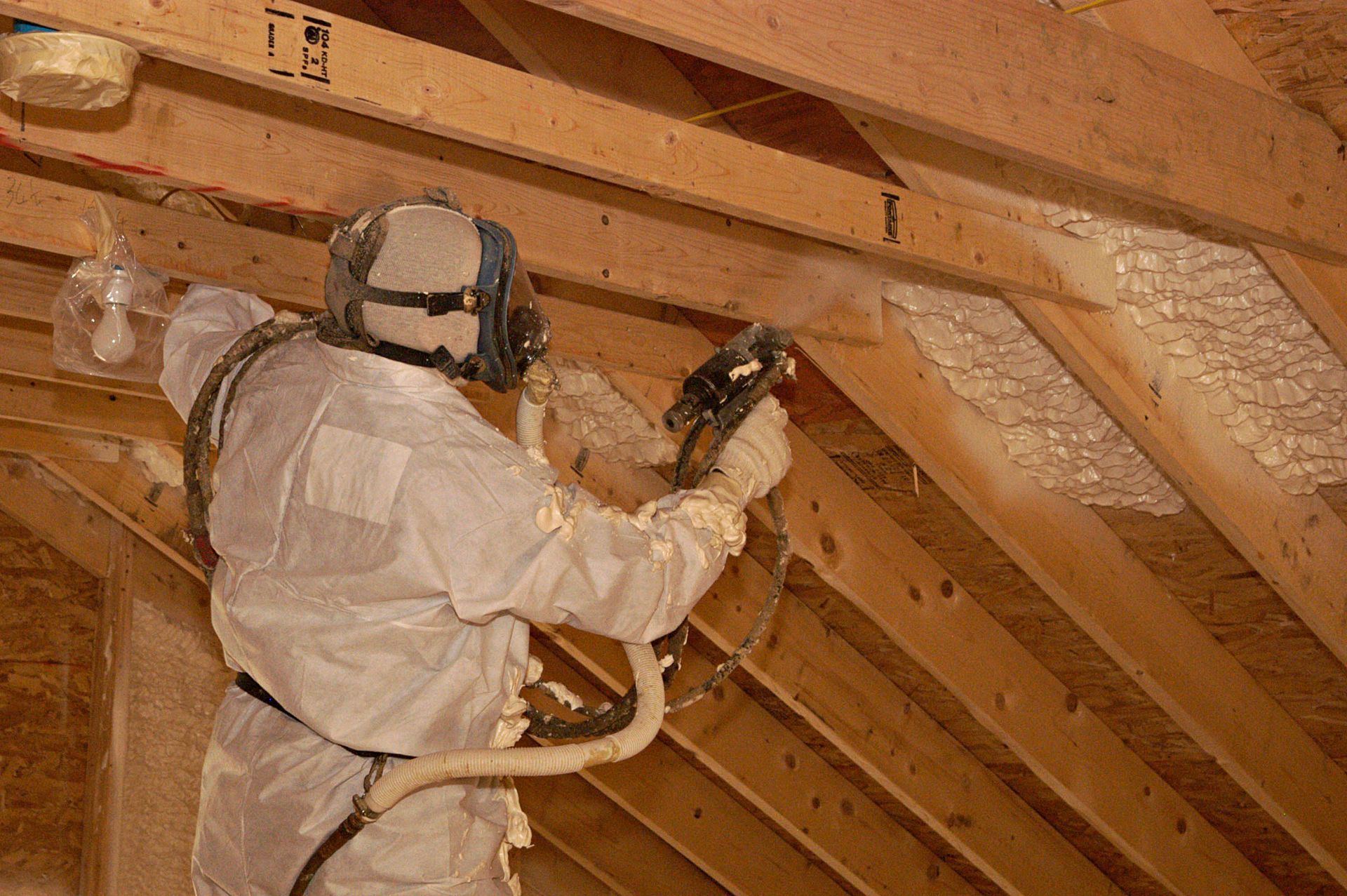
Different materials present unique benefits depending on where they are applied within a residential property. Traditional blanket rolls offer predictable coverage for open joists, while loose fill options excel at covering uneven surfaces and tight, hard-to-reach areas. Advanced expanding materials provide seamless barriers that stop unwanted airflow completely while filling tiny structural gaps. Selecting the appropriate thermal option requires evaluating structural design, local building codes, regional climate patterns, and overall project budget, ensuring the completed project performs efficiently through every season.
Evaluating Key Advantages Of Complete Home Coverage
Insulation plays a crucial role in enhancing energy efficiency, resulting in lower utility bills for homeowners. According to Energy Star, proper air sealing combined with insulation can result in an average of 15% savings on heating and cooling costs. Beyond energy efficiency, insulation enhances temperature control, making homes more comfortable year-round by mitigating fluctuations in outdoor temperatures. Additionally, comprehensive coverage provides valuable acoustic dampening properties, blocking out unwanted street noise and creating a quiet, peaceful indoor sanctuary for the whole family.
Beyond direct utility savings and acoustic control, proper thermal upgrades help protect a home structural integrity over time. Consistent indoor temperatures help protect internal building components from extreme thermal expansion and contraction cycles that cause premature wear. Furthermore, well-designed barrier systems work in tandem with modern climate control equipment, reducing operational strain on furnaces and air conditioners. This reduced workload extends mechanical equipment lifespans, minimizes sudden repair costs, and helps maintain high property values across the local housing market.
Identifying Critical Regions Requiring Advanced Materials
To maximize overall energy retention, property owners must locate and prioritize specific structural zones that experience the highest rates of thermal exchange. Attics represent the single most critical area for upgrade projects because warm air naturally rises and easily escapes through uninsulated roof lines. Basements, crawl spaces, and exterior walls also account for substantial thermal loss if left under insulated. Systematic evaluations help pinpoint exact locations where heat escapes, ensuring future material installations target the areas that deliver maximum overall return on investment.
Professional evaluations utilize sophisticated equipment to uncover hidden structural flaws and hidden air leaks that visually pass undetected. Advanced infrared cameras detect precise temperature differentials along walls, while specialized pressure testing equipment measures total structural air leakage. These comprehensive diagnostic methods allow qualified local insulation contractors to design custom installation plans tailored specifically to a building's precise needs. By systematically addressing identified weak points, property owners achieve maximum energy savings, eliminate uncomfortable room drafts, and optimize indoor comfort.
Researching Qualified Regional Installation Experts
Finding a qualified team to perform building performance upgrades requires careful research and systematic comparison of available regional companies. Homeowners should focus on established firms with proven histories of successful projects, strong community reputations, and verified operational background. Online customer reviews, industry organization memberships, and professional trade affiliations offer valuable insights into a company technical capabilities and customer service record.
Evaluating prospective installers involves verifying official credentials, state business licenses, and active insurance coverage before work begins. Respected technicians often hold certifications from recognized industry organizations, demonstrating advanced training in modern building science and safe handling procedures. Obtaining detailed, itemized quotes from multiple regional firms allows property owners to compare project scopes, material selections, and clear labor pricing fairly. A trustworthy organization will gladly provide written estimates, explain their proposed installation methodology, and share past customer references upon request.
Finalizing Detailed Contracts And Performance Guarantees
Establishing clear, written agreements prior to commencing structural work protects both parties and establishes firm project expectations. Contracts ought to explicitly list exact material specifications, total coverage areas, projected project timelines, and structured payment schedules. Clear terms prevent mid-project misunderstandings, keep timelines on schedule, and ensure total clarity regarding required prep work and cleanup duties. Homeowners must review all project documentation carefully before signing to confirm that every spoken promise appears clearly in writing.
Comprehensive warranties represent another vital factor when choosing regional trade professionals for structural home improvements. Reputable installers stand firmly behind their workmanship by offering clear service guarantees alongside standard manufacturer material warranties. Maintaining open communication with selected installation specialists throughout the project fosters productive working relationships and ensures high-quality results that perform reliably for many years ahead.
Optimizing HVAC Performance Through Precision Installation
The operational relationship between structural thermal barriers and heating and cooling equipment directly impacts overall home energy performance. When a building features dense, properly installed thermal materials, mechanical climate control systems do not have to run constantly to maintain stable interior temperatures. This reduced operational demand lowers monthly electrical and natural gas consumption while significantly reducing mechanical wear and tear.
In addition to basic thermal materials, modern air sealing procedures play a decisive role in maximizing overall building efficiency. Small cracks around window frames, plumbing penetrations, and attic hatches permit conditioned air to continuously escape while drawing in unconditioned outside air. Sealing these hidden pathways prevents uncontrolled air exchange, allowing installed thermal barriers to function at peak effectiveness.
Upgrading Indoor Air Quality And Environmental Safety
Properly installed thermal barriers contribute substantially to healthier indoor living spaces by preventing airborne contaminants from infiltrating living spaces. Gaps in unsealed structures often act as pathways for outdoor dust, pollen, vehicle exhaust, and agricultural allergens to enter bedrooms and living rooms. By tightly sealing exterior walls and attic floors, experienced local insulation contractors effectively block outdoor pollutants at the building perimeter.
Moisture management is another critical component of indoor air quality that relies directly on correct material application. Excessive internal humidity and outdoor water intrusion lead to condensation on cold structural surfaces, creating ideal conditions for mold and mildew growth. Modern barrier materials, particularly expanding foam products, act as powerful vapor retarders that prevent moisture migration through wall assemblies.
Dampening Sound Transmission For Peaceful Living Spaces
Beyond temperature regulation, comprehensive structural materials offer exceptional acoustic insulation properties that transform loud indoor environments into tranquil living areas. Dense materials absorb sound vibrations as they travel through exterior walls, floors, and interior partitions, drastically reducing incoming noise levels. This acoustic dampening proves particularly valuable for properties located near busy highways, airport flight paths, commercial zones, or loud urban centers.
Achieving superior acoustic performance requires strategic material selection combined with specialized installation methodologies. Dense mineral wool batts and loose cellulose offer outstanding sound absorption capabilities due to their heavy mass and fibrous interior structure.
Energy-efficient homes consistently command higher resale values and attract greater interest in competitive real estate markets. Modern home buyers prioritize energy performance, lower operating costs, and verified living comfort when evaluating prospective properties. Documented building upgrades performed by licensed
local insulation contractors provide tangible proof of quality maintenance and low future utility expenses. Partnering with the expert team at TrueFoam ensures your structural upgrade project is completed according to high industry standards, delivering maximum energy performance, long-term structural protection, and lasting comfort for your home.